


 Shkruar nga Emma Belmonte
Albania’s modern history has been marked by strong political upheavals, but one thing has remained constant through all this turbulence: the country’s forests have been largely public property. This, however, may soon change, as the Albanian government intends to privatize forests to boost tourism development. But what impact will this have on the lives of rural communities and the future of forests at a European level?
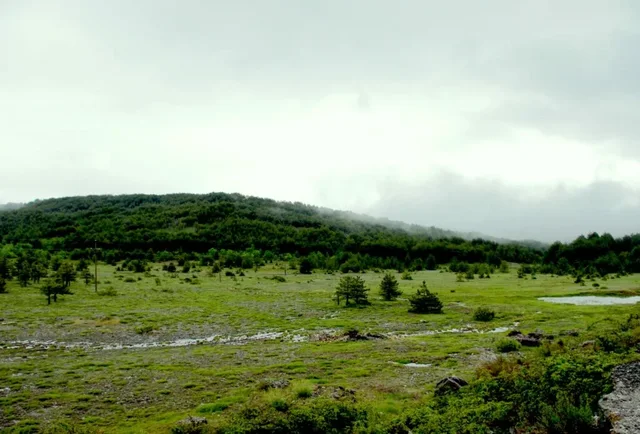
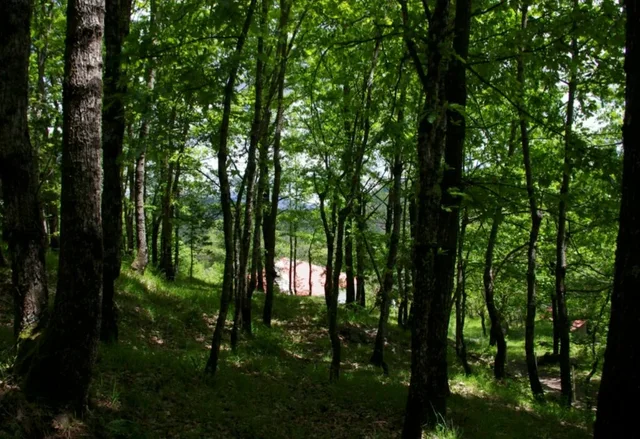
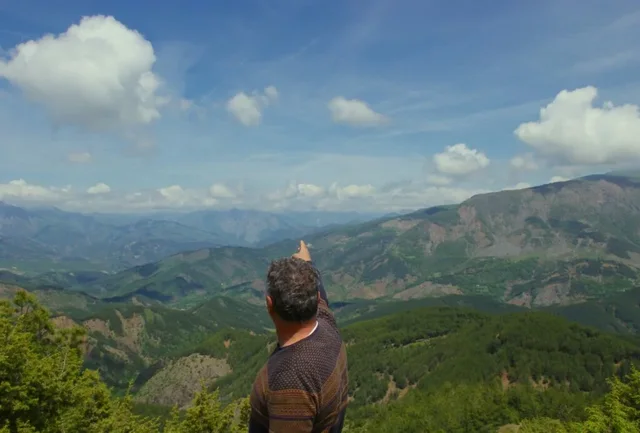
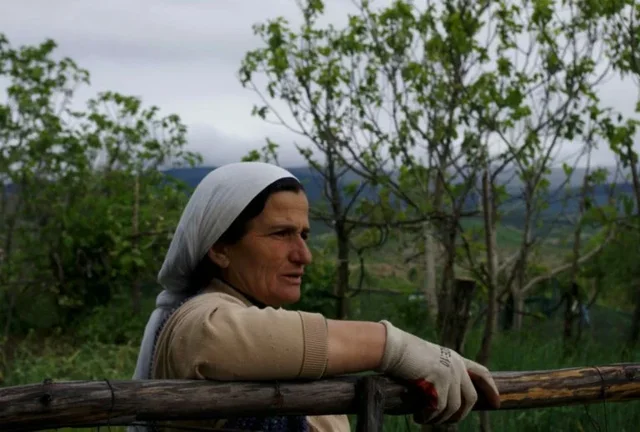
When traveling through the narrow mountain roads of northern Albania, scattered cars and groups of adventurers on bicycles end up amidst a deep green of pine, chestnut, ash and oak trees. In the Shkodra region, Fushë-Arrëza and Puka rank among the greenest municipalities in the country, where the vast majority of the territory is covered by public forests.
In recent decades, the deep silence of these mountains has been further deepened by the wave of emigration that has hit the country since the fall of communism. From 1992 to 2022, the share of the population living in rural areas fell from 65% to 36%. The Shkodra region alone has lost about 40% of its population since 2001. More than a million Albanians have left the country since the 1990s, while the resident population fell by about 420,000 between 2011 and 2023. Most of those who remain move to Tirana in search of better economic opportunities.

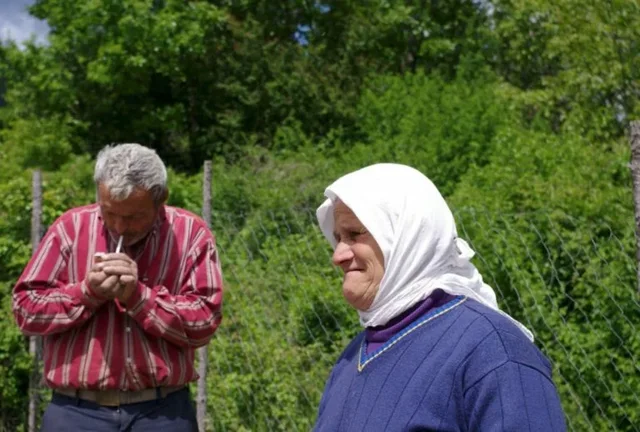
“Anyone who chooses to stay here is sacrificing their life,” says Ardmir Doda, head of the forestry sector in the municipality of Fushë-Arrëz. He says that 70% of his family has emigrated, and that he too is considering leaving. “If it continues like this, in five years there will be no one left here,” he adds.
To curb this demographic disintegration, the Albanian government has approved the “Mountain Package,” an initiative that aims to encourage the return of emigrants and investment in rural areas. As Prime Minister Edi Rama put it, the goal is to “ignite the dream of returning to the land of our ancestors.”
But while everyone agrees that the region needs economic opportunities, not everyone is convinced that forest privatization is the right path.

Through this package, the state offers forest land for just one euro, on condition that investors build tourist structures. The first to apply will benefit from a 10-year tax exemption, subsidized insurance for employees, and funds of up to 250 million euros guaranteed by the Bank of Albania, with state support.
But the selection of beneficiaries remains unclear. The law mentions “actual users” of the forests and immigrants with a “vision to build on the land of their ancestors,” but does not specify who must be from the area, nor who has real rights to the land.
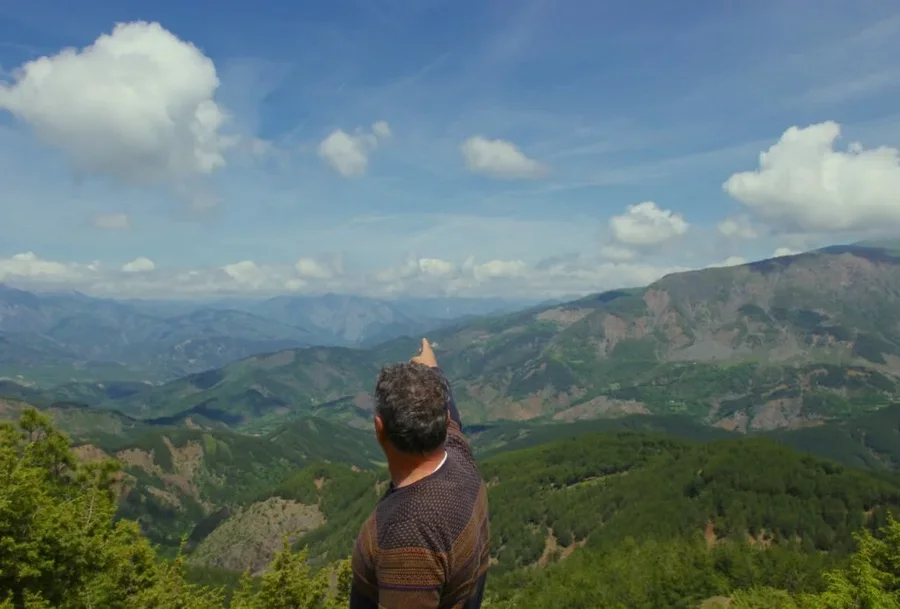
Pranë Pukës është caktuar një kullotë për ndërtimin e një hoteli luksoz. Nënkryetari i bashkisë, Ferit Ringa, tregon për tre vëllezër nga Puka që jetojnë në Angli dhe kanë restorante atje. Ai beson se hoteli do të përfitojë komuniteti lokal, duke blerë produkte vendase dhe duke punësuar banorë. Por Elda Muço, me doktoraturë në Universitetin e Vilniusit dhe eksperte në planifikim rural, e sheh ndryshe: “Nuk ka garanci që projektet luksoze do përfshijnë vendasit, apo do blejnë nga fermerët lokalë”, argumenton ajo, duke kujtuar rastet në jug të vendit ku resortet importojnë ushqime dhe shërbime luksoze nga jashtë.
Rama, gjatë një prezantimi në Shkodër, u pyet nëse do të detyronte investitorët të blejnë produkte shqiptare. Ai u përgjigj: “Unë jam socialist, por jo i tillë që e dua shtetin të ndërhyjë në çdo gjë.”
Doda mbështet projektet turistike të mëdha, por pyet: “Kush ka dy-tre milionë euro për të investuar këtu?”. Ajo shprehet se njerëzit thjesht duan punë, jo resorte.
Ndërkohë, vendas si Vullnet Kuçi, pronar i një bujtine në Pukë, besojnë në një turizëm ndryshe: të bazuar në traditë, natyrë dhe mikpritje lokale. Ai thotë se nuk është i interesuar të zgjerojë biznesin e tij, por të nxisë edhe banorët e tjerë të ndërtojnë bujtinat e tyre. “Turistët që vijnë këtu nuk duan luks, por përvojë autentike.”
Muço thekson se projektet e vogla, të udhëhequra nga komuniteti, janë më të qëndrueshme dhe ndihmojnë zhvillimin real. “Nëse privatizohet toka, banorët do të humbasin lidhjen me pyjet dhe nuk do të kujdesen më për to,” paralajmëron ajo.
Shqipëria ka përqindjen më të lartë të pyjeve publike në Europë. Vetëm 3% e pyjeve janë në pronësi private, krahasuar me 60% në BE dhe 75% në vendet nordike. Por këto pyje përballen jo vetëm me rrezikun e privatizimit, por edhe me ndryshimet klimatike, prerjet ilegale dhe sëmundjet që dëmtojnë ekosistemet pyjore.
Edhe para komunizmit, vetëm 6% e pyjeve shqiptare ishin private. Shumica administroheshin përmes zakoneve tradicionale, ku të gjithë kishin të drejtë përdorimi dhe kujdesi ishte kolektiv. Pas 1991-shit, disa zona u përdorën sërish në mënyrë informale nga banorët, por vetëm 1% e sipërfaqeve u kthyen në pronësi private.
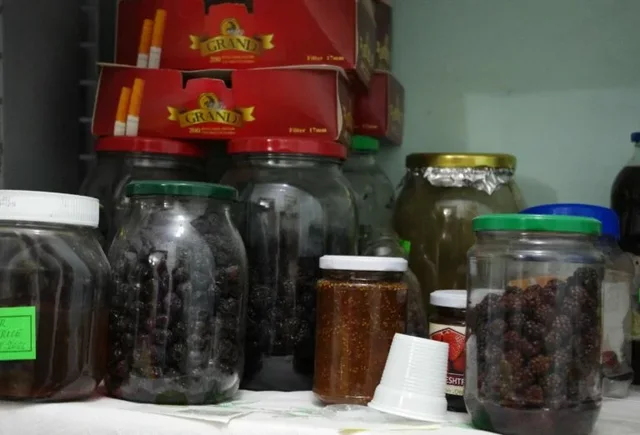
Për shumë familje, pylli është pjesë e jetës, nga pushimet në natyrë e deri tek mbledhja e bimëve medicinale dhe frutave pyjore. Për shembull, Valdete, 40 vjeçe, jeton në Qerret dhe mbledh kërpudha që kur ishte fëmijë. Ajo thotë se të ardhurat nga mbledhja e kërpudhave i mbulojnë shpenzimet për një vit. Bislimi, shitës lokal, blen prodhimet nga fshatarët dhe i shet në Shkodër, kryesisht për eksport drejt Kosovës dhe Serbisë. Kjo veprimtari është shpesh burimi i vetëm i të ardhurave për shumë familje.
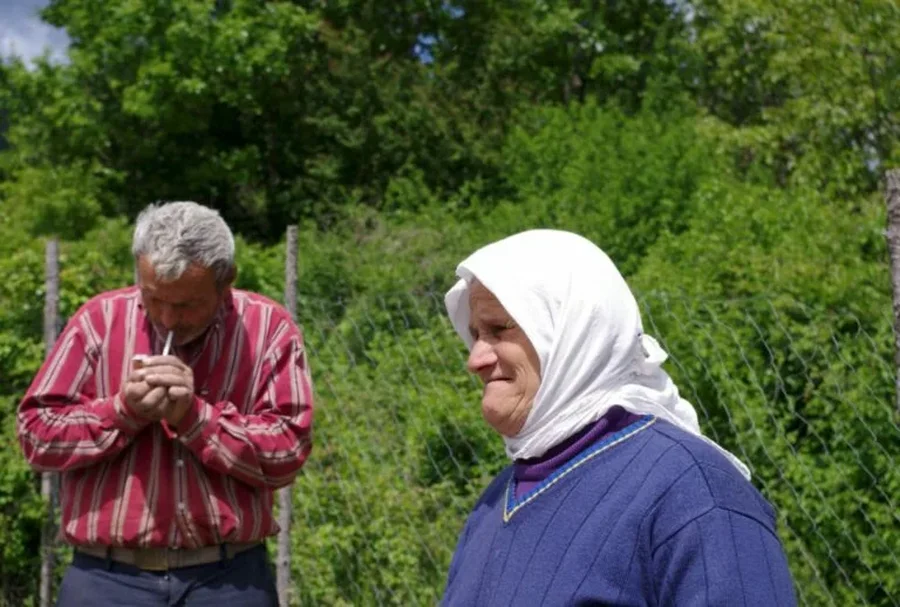
Por nëse pyjet privatizohen, këto praktika tradicionale mund të ndalohen. Gratë nuk do ndihen të sigurta të hyjnë në toka private dhe do humbet edhe funksioni social i pyjeve. Edhe Delegacioni i BE-së në Tiranë shprehu shqetësimin se kjo paketë mund të krijojë përplasje me komunitetet lokale.
The law requires that there be community consultations before any contract. But many residents have not heard anything about this initiative. Beslim, who is also the village headman, says: “People would never allow something like this in our forests.”
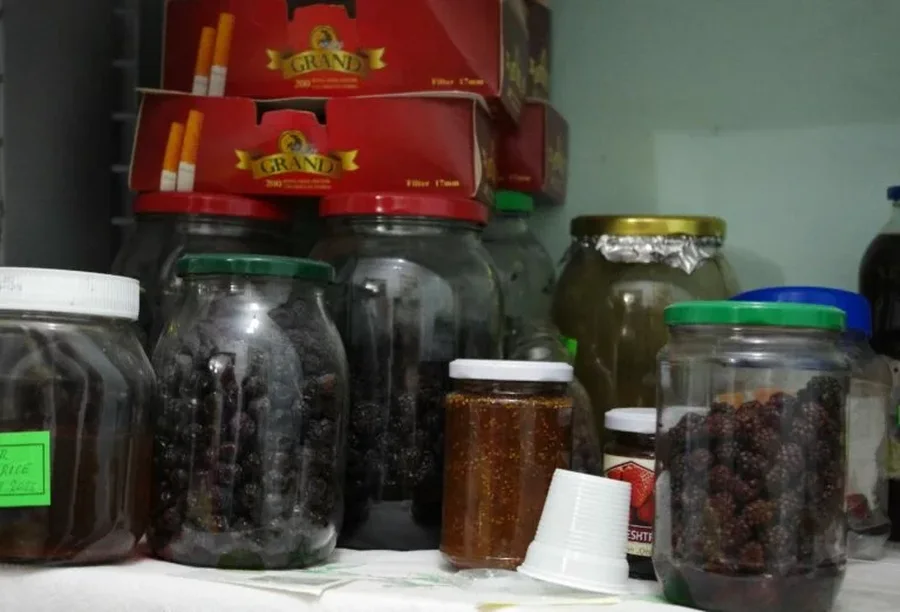
The lack of information also worries Marie Shkjau, leader of a group of women who produce jam and brandy from forest fruits. “When I explain it to them, it seems like they don't understand the danger that threatens the mountains and our traditional way of life,” she says.
Distrust of the government adds to the suspicions. A 2023 poll showed that the majority of Albanians do not trust institutions and consider them corrupt. Recent accusations against former President Ilir Meta and Tirana Mayor Erion Veliaj have only reinforced this feeling.
Muço believes that this package is a new version of the “Law on Strategic Investments”, which has been used to reward political supporters. Meanwhile, residents of the north, who traditionally vote for the opposition, feel excluded and exploited, the energy produced by Shkodra’s hydroelectric plants is not reflected in basic services for the surrounding villages.
With privatization on the verge, concerns are growing. Communities fear they will lose their lands, traditions and income, while forests will become another source of profit for others/ Adapted from “Pamphlet” by “Green European Journal”


Lini një Përgjigje