


 Shkruar nga Pamfleti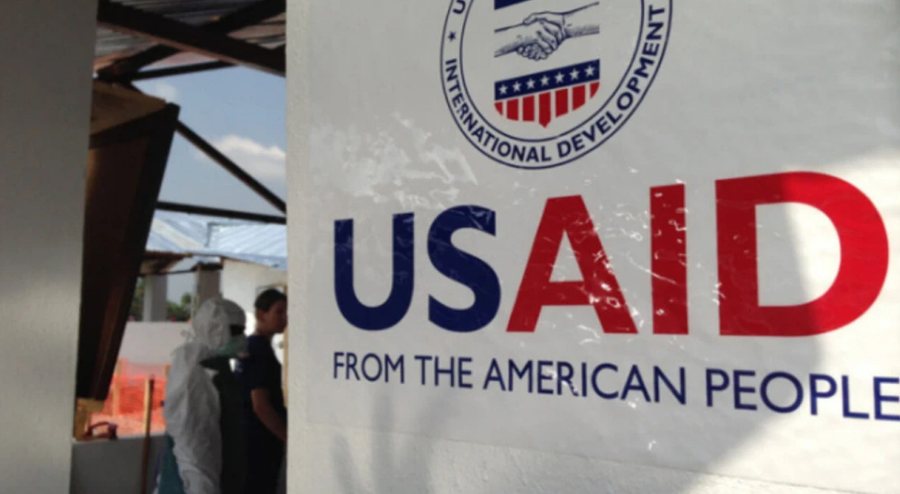
Rubio: Americans shouldn't pay taxes to fund failed governments on other sides of the globe...
The Trump administration has decided to officially close the U.S. Agency for International Development (USAID) today, ending an era of decades of unconditional and often ineffective foreign aid.
The news was announced by Secretary Rubio and comes after an in-depth analysis that revealed USAID's chronic inability to promote US national interests, despite hundreds of billions of dollars invested globally.
According to him, this move is part of a complete reform of American foreign policy that aims to move from a model of "international charity" to a clear "America First" doctrine, where every dollar of aid must produce measurable strategic effect for Washington.
According to the statement made by the US administration, funds will no longer be distributed according to the logic of "need" or "conjuncture", but based on a clear criterion: whoever helps themselves will also be helped by the US.
“ This era of legal incompetence is over. Under the Trump Administration, U.S. foreign assistance will be geared toward national interests. On July 1, USAID will officially cease to exist as an implementer of foreign assistance. Programs that are consistent with administration policies and that advance American interests will be managed by the State Department, with greater accountability, strategy, and efficiency. We will make no apologies for reaffirming that humanitarian assistance and the promotion of economic development must be at the heart of an “America First” foreign policy.”
USAID saw its audience as the United Nations, international NGOs, and the “global community,” not the American taxpayers who funded its budget or the president who represented their interests on the world stage. USAID programs were sold as charity, not as instruments of American foreign policy. Often, these programs supported anti-American ideas and groups—from the global “DEI” agenda to censorship, regime change interventions, and support for organizations aligned with Communist China and other geopolitical adversaries ,” Rubio said.
Is Albania affected?
Albania has traditionally been a beneficiary of USAID assistance since the 1990s, in the areas of democratic reforms, justice, elections, and rural development. But now, further benefit from American assistance will depend on the willingness and ability of the Albanian state itself to create conditions for real investment, not to seek non-returnable funds.
If Albania continues to operate with corrupt models, bloated projects, and poor administration, it risks being left out of the new map of American partnerships. The new approach will exclude countries that do not demonstrate efficiency, transparency, and sincere commitment to economic cooperation.
This radical change in foreign aid policy is also a signal to the Albanian political elite: America will no longer fund pro-Western rhetoric in Tirana, but only concrete results on the ground.
The message is clear: The era of USAID is over. Partnership with the US will no longer be measured by vague words and projects, but by investment, trade, and direct strategic influence. Albania faces a great test: adapt or be forgotten.
Secretary Rubio's full statement:
Every public servant has an obligation to American citizens to ensure that every program they fund serves the nation’s interests. In a detailed review of thousands of programs and more than $715 billion in inflation-adjusted spending over decades, the Trump Administration found that the U.S. Agency for International Development (USAID) fell far short of this standard.
USAID has had decades of time and a virtually unlimited taxpayer budget to expand American influence, foster global economic development, and help billions of people become self-reliant. But beyond creating a global NGO industrial complex at taxpayer expense, USAID has little to show for it since the end of the Cold War. Development goals have rarely been met, instability has often worsened, and anti-American sentiment has grown. The countries that have benefited most from American generosity have rarely shown gratitude. In 2023 alone, sub-Saharan African countries voted with the United States on only 29% of key resolutions at the UN, despite having received $165 billion since 1991. That’s the lowest rate in the world. In the same period, over $89 billion invested in the Middle East and North Africa resulted in a more negative perception of the US than of China, except in Morocco.
The $9.3 billion spent in Gaza and the West Bank since 1991, including support for Hamas allies, brought more resentment than gratitude to the U.S. While NGO leaders lived in five-star luxury with American taxpayer funds, those who were supposed to be helped were left behind.
This era of legal incompetence is over. Under the Trump Administration, U.S. foreign assistance will be geared toward national interests. On July 1, USAID will officially cease to exist as an implementer of foreign assistance. Programs that are consistent with administration policies and advance American interests will be managed by the State Department, with greater accountability, strategy, and efficiency.
Nuk do të kërkojmë falje që riafirmojmë se ndihma humanitare dhe promovimi i zhvillimit ekonomik duhet të jenë në funksion të politikës së jashtme “Amerika e Para”.
USAID e shihte si audiencë të vetën Kombet e Bashkuara, OJQ-të ndërkombëtare dhe “komunitetin global”, jo taksapaguesit amerikanë që financonin buxhetin e saj apo presidentin që përfaqësonte interesat e tyre në arenën botërore. Programet e USAID-it u shisnin si bamirësi, jo si instrumente të politikës së jashtme amerikane. Shpesh, këto programe mbështetën ide dhe grupe anti-amerikane, nga axhenda globale “DEI”, te censura, ndërhyrjet për ndryshime regjimesh dhe mbështetje për organizata në linjë me Kinën Komuniste dhe kundërshtarë të tjerë gjeopolitikë.
Që sot, kjo ndryshon. Aty ku më parë kishte një shumëllojshmëri logosh të panjohura mbi ndihmën jetësore, tani do të jetë vetëm një simbol i njohur: flamuri amerikan. Përfituesit meritojnë të dinë që ndihma nuk është lëmoshë anonime, por investim nga populli amerikan.
Po aq e rëndësishme, modeli i ndihmës si bamirësi dështoi sepse udhëheqësit e vendeve në zhvillim u bënë të varur. Hulumtimet e Departamentit të Shtetit tregojnë se popullsia në vendet që më parë merrnin ndihmë nga USAID, kërkon tregti, jo ndihma. Nga Amerika Latine në Afrikë, vendet duan investime që nxisin zhvillim të qëndrueshëm, jo dekada të ndihmës nën menaxhimin patronizues të OKB-së apo USAID-it. Një burrë nga Zambia u tha diplomatëve amerikanë se do të ishte më e dobishme nëse bashkëkombësit e tij do të mësonin të peshkonin, në vend që të u jepej peshk nga qeveria amerikane. Një grua nga Etiopia tha se përfitimet e ndërsjella nga investimet janë më të vlefshme se ndihma e njëanshme.
Amerikanët nuk duhet të paguajnë taksa për të financuar qeveri të dështuara në anë të tjera të globit. Nga tani, ndihma do të jetë e synuar dhe e kufizuar në kohë. Do të përfitojnë vendet që kanë treguar vullnet dhe aftësi për vetëndihmë. Burimet do të drejtohen aty ku mund të sjellin efekte shumfishuese dhe të nxisin investime të qëndrueshme nga sektori privat, përfshirë kompanitë amerikane.
Ky transformim ka nisur. Po arrijmë përparim të madh në detyrimin e OKB-së, aleatëve dhe fondeve private të mbulojnë më shumë pjesë të projekteve. Po unifikojmë fondet e ndara fragmentarisht, po eliminojmë burokracinë për të reaguar më shpejt ndaj krizave dhe po zbatojmë kritere të reja efikasiteti për të matur impaktin me shifra konkrete. Duke fuqizuar diplomatët në terren përmes zyrave rajonale, po krijojmë një mekanizëm të shpejtë reagimi për të siguruar që programet të përputhen me interesat amerikane dhe nevojat e vendeve partnere.
Ky model gjithashtu do të na pozicionojë më mirë për të përballuar modelin shfrytëzues të ndihmës nga Kina dhe për të avancuar interesat tona strategjike në rajonet kyçe të botës.
We will prioritize trade over aid, opportunity over dependency, and investment over charity. For Americans and many others around the world, July 1 marks the beginning of a new era of global partnership, peace, investment, and prosperity.





Lini një Përgjigje