


 Shkruar nga Pamfleti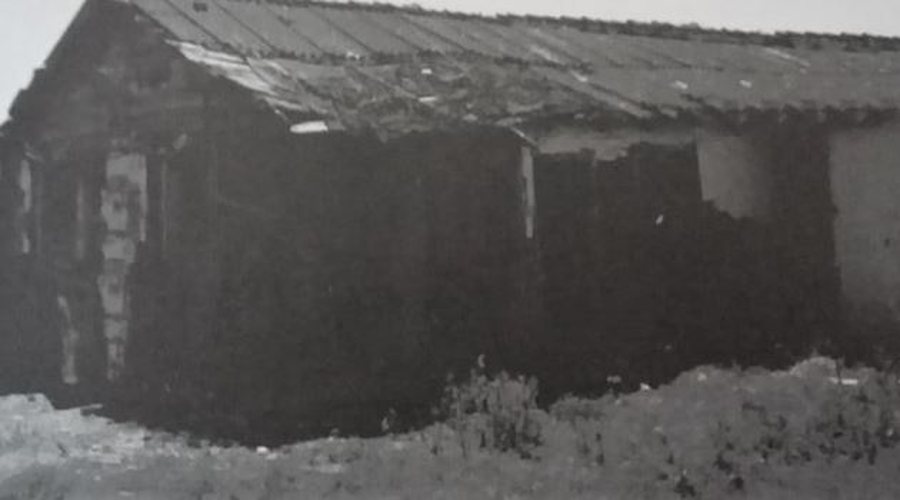
"When I was only five months old, they took us home, put us in a car and took us first to the Berat camp. The mother was told that the reason for the exile was precisely the fugitive father, described as a traitor to the motherland. The most elite families of the country were sent to this infamous camp, which were a serious danger to the regime of that time. We spent months together with my mother and brother. While the older sister was married to an Italian citizen and she stayed in Tirana. In the camp, my mother fed me with breast milk, because that was the only food."
This is what Rudina Dema, the daughter of Colonel Hysni Dema, the daughter of Colonel Hysni Dema, a former high-ranking soldier of the Zog Monarchy period with the rank of colonel, who served as the Commander-in-Chief of the Albanian Gendarmerie in the years 1943-'44, with the end of the War, he was forced to leave Albania, settling first in Greece, then in Belgium, etc., while his entire family was imprisoned and exiled, until the year 1991, when the communist regime of Enver Hoxha and his successor, Ramiz Alia, collapsed. For all this, etc., Rudina Dema, one of the daughters of the well-known colonel, originally from the villages of Peshkopia, tells us in her interview.
I am the daughter of Hysni Dema. My father was a colonel and commander-in-chief of the Albanian Gendarmerie during the Second World War. Because in the years 1944-1945, several anti-communist armed uprisings were organized, especially in the northern areas, and one of them was also in Dibër, my father's place of origin, my father was targeted as their organizer.
At that time, i.e. after the end of the war, we lived in a house in Tirana and one night a group of partisans knocked on the door, who took me out, pregnant with me, wearing my pajamas, in the middle of the street. together with his younger brother. From the emotional pressure and the blows she suffered, a few days later, she gave birth to me, in the bathroom at home...!
When I was only five months old, they took us home, put us in a car and took us first to the Berat camp. The mother was told that; the reason for the exile was precisely the fugitive father, described as a traitor to the homeland. In this infamous camp, the most famous families of the country were sent, which were considered a serious danger for the communist regime of that time.
We spent months together with my mother and brother. While the older sister was married to an Italian citizen and she stayed in Tirana. In the camp, my mother fed me with breast milk, because that was the only food.
How long did you stay in the Berat camp?
We stayed about a year in that camp. Mother did the most difficult and mundane jobs. On the other hand, she had to breastfeed me and, while she went to work in the morning, I was taken care of by the other persecuted women in that camp. After Berat, the episode of internment would continue in other camps, of course with a long ordeal of torture and inhumane persecution.
Which camp did you end up in next?
First they took us to Kuçovo. There, he tells me, that he remembers the greatest pain of the work of the arm. They forced all the women to work long hours for the opening of the Kuçova Aviation Field. I was only one year old, and my mother worked hard to meet the daily rates and to be stimulated with some extra food...! After this project was finished, we were taken to the Porto-Palermo camp.
It was like a tower on top of a high hill, bordered by mountains on all four sides. In the fort, sunlight never penetrated. The windows were very small. The environment was always in the ground, damp. To sleep, we had stone slabs as a mattress, we drank salty water with worms from the well that was at the entrance to the castle.
The most well-known families of the country, of former high officials from the time of the creation of the Albanian state and after, were interned in that camp, such as: the family of Gjon Marka Gjon, the mother-in-law of the former deputy and speaker of parliament Jozefina Topalli , Maria and her daughter, Suzana Topalli, Jozefina's uncle, Nush Topalli, etc. Maria and her daughter raised me and took care of me all day long.
What kind of care did the Topalli family offer to you?
It is about the years 1946-1950, I was almost five years old. Since I was still a little girl and my mother had to leave for work early in the morning, other persecuted women took care of me, such as the Topalli family. The mother went on foot to the mountain and collected wood, which she carried on her back. Day after day it was almost this kind of work, and other side jobs, that were done in the open fields.
I remember that when my mother came home from work, she would bring me acorns, a kind of chestnut-like grain, which she would then roast and give to me or my brother to eat. They often made us sick because they were intended for consumption by animals (especially pigs) and not for us.
But in those survival conditions, different forms had to be found in order to live. While Maria Topalli, with her daughter, took care of me, as if they had me as part of their family. They fed me, clothed me and changed me.
How did it happen that you were released?
My mother often told me, explaining the situation we were in, that as long as Hysniu, the father, was no longer alive and had not organized other uprisings, he was no longer considered dangerous for the communist regime.
Me rritjen time në kamp, si fëmijë që isha, edhe mund të më lironin, sepse nuk përbëja rrezik. Ndërsa nënën, nuk e lejuan. Kur unë isha rreth gjashtë vjeçe e gjysmë, më liruan nga kampi i Porto-Palermos.
Mamaja më kishte ngjitur emrin tim, në një letër poshtë fustanit që kisha veshur. Dhe ashtu, më lëvizin prej andej dhe më sjellin në Tiranë, ku gjendej motra ime e madhe. Nënën dhe vëllain, rreth 14 vjeç asokohe, nuk i lejuan të lëviznin, ata vijuan të ishin të internuar në kamp.
Njerëzit që më shoqëronin, më lanë në Tiranë, dhe nuk kam për ta harruar asnjëherë, një dyqan të një zanatçiu krutan, që ishte ngjitur me shtëpinë tonë të vjetër, i cili më sheh duke qarë, dhe më afrohet për të më ndihmuar.
Unë i tregova letrën që nëna më kishte fshehur poshtë fustanit dhe nuk vonoi shumë, që punëtori të më çonte në derën e shtëpisë së vjetër, ku jetonte ime motër, me të shoqin. Pasi më përqafoi dhe të dyja u ngashëryem në të qara, menjëherë më mori përdore dhe më dërgoi tek një berber, i cili më qethi tullac. Më pas, më nxori në oborr të shtëpisë, më zhveshi lakuriq dhe më lau me ujë të ngrohtë.
Duke iu gëzuar realitetit dhe vijueshmërisë së ditëve, besova se ferrit i kishte ardhur fundi, por në fakt isha gabuar rëndë. Arratisja e vëllait tim, Sazanit, nga kampi i Porto-Palermos, do të më kushtonte shumë. Këtë herë do të rikthehesha bashkë me motrën, Majlindën.
Ju u rikthyet sërish në kamp internimi, pas thuajse dy vitesh. Këtë herë çfarë, kishte ndryshe?
Arratisja e Sazanit nga kampi i Porto-Palermos, kishte gjunjëzuar keqas edhe nënën, të cilën e kishin varur me kokë poshtë, në hyrje të kalasë. E kishin lënë për ditë të tëra jashtë, në të ftohtë, sepse i kërkonin të dëshmonte për arratisjen e të birit, ata dyshonin se mos ai, ishte arratisur për t’u bashkuar me babanë në male dhe për të vijuar lëvizjen e rezistencës antikomuniste.
Disa ditë më vonë, njerëz të Sigurimit të Shtetit vijnë në shtëpinë e motrës, atje ku më kishin lënë dhe më marrin sërish, për të më çuar në kamp, e për t’u bashkuar me nënën, të cilën në formë dënimi, e kishin zhvendosur nga kampi i Porto-Palermos, në Savër të Lushnjës. Unë isha e vogël, rreth shtatë vjeçe e gjysmë, por nuk kam për ta harruar kurrë, fytyrën e nënës, lotët dhe përqafimin e saj, pas ribashkimit tonë në ato kushte.
Duke qenë se e konsideroja veten disi më të rritur, fillova edhe unë punë në fushë. Mblidhja kallinj gruri, punoja për të plotësuar normën, nga mëngjesi në darkë. Ndërkohë që disa njerëz zemërgjerë më jepnin dorë, duke më ndihmuar.
Ditët kalonin, unë rritesha në kamp, dhe jeta jonë ishte po e njëjta mynxyrë. Gjatë kësaj kohe, kisha nisur edhe shkollën tetëvjeçare. Shkoja këmbëzbathur, për të ndjekur ato pak orë mësimi dhe kthehesha në fushë, për të mbledhur kallinjtë e grurit.
Lëvizjet dhe jeta juaj atje ishte e kontrolluar, por çfarë kujton ndonjë episod të veçantë që të ka mbetur në mendje?
Almost 20 years passed in the Lushnja camp. Together with my mother and sister, we lived that daily life there, with work, and often some truncated effort, for education. Around the 1970s, the Security people inside the camp were afraid of any possible revolt and the aggravation of the situation.
That's why they relocated us from Savra, to Belsh in Elbasan. We were interned again, in another camp, with more difficult and closed conditions, in terms of security. For the fifth time, I would have another bitter experience, stepping into the next camp, which luckily would turn out to be the last.
Is it true that only you and your sister were interned in Belsh, while your mother, Vasfia, remained in Savër?
Yes, it's true and that's the saddest part. We two young girls, who take us and take us to another unknown area. Mother did not come with us and I never learned the reason why she was not allowed to join us. Only a year later, we learned that the mother passed away in that camp, while we, her daughters, did not even have the opportunity to punch her and...!
We started working in an agricultural cooperative. I was working with a pickaxe all day and my hands were bleeding. After almost 30 years spent, moving from one camp to another, in the early 80's we were released. I was already without a mother, who died in the Lushnja camp, without a father, whom I had never known, except that I remember his portrait, dim, without a brother, who had escaped at the age of 14 and, as I learned later, he had escaped to Germany through Yugoslavia, with a fake passport.
There he married a German citizen, studied at a military academy, one of the most popular in Germany, and, after being awarded military ranks, participated in the Vietnam war. My sister, right after we left the camp, went on with her life, remarrying again, while my childhood and youth were buried at the doors of those infamous camps.
What do you have left today to remember from your past?
Only pain and hard days. My childhood, no childhood and the youth that passed me by, in menial chores. I was left without parents, without a brother, for whom even today, my soul burns. He has been living in America for many years and, since we left the camp, we have not been able to meet.
After leaving the Elbasan camp, I came to Tirana and through some family acquaintances, I started working at the "Stalin" Textile Factory. At the age of 38, I married the goer and from this marriage, today I have a daughter./ Memorie.al




Lini një Përgjigje