


 Shkruar nga Pamfleti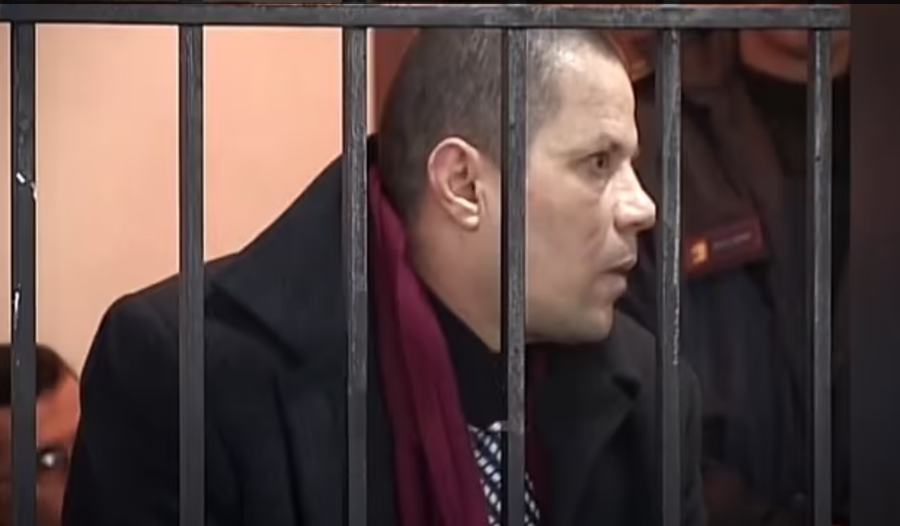
The 59-year-old is a 'violent terrorist' who should be deported, according to the Home Office. The Home Office believes that Çela made up his story after learning that he would not be able to gain asylum.
A convicted criminal who planned to detonate a bomb at a football stadium is appealing against his deportation for fear he will be killed by rival gangsters in his native Albania.
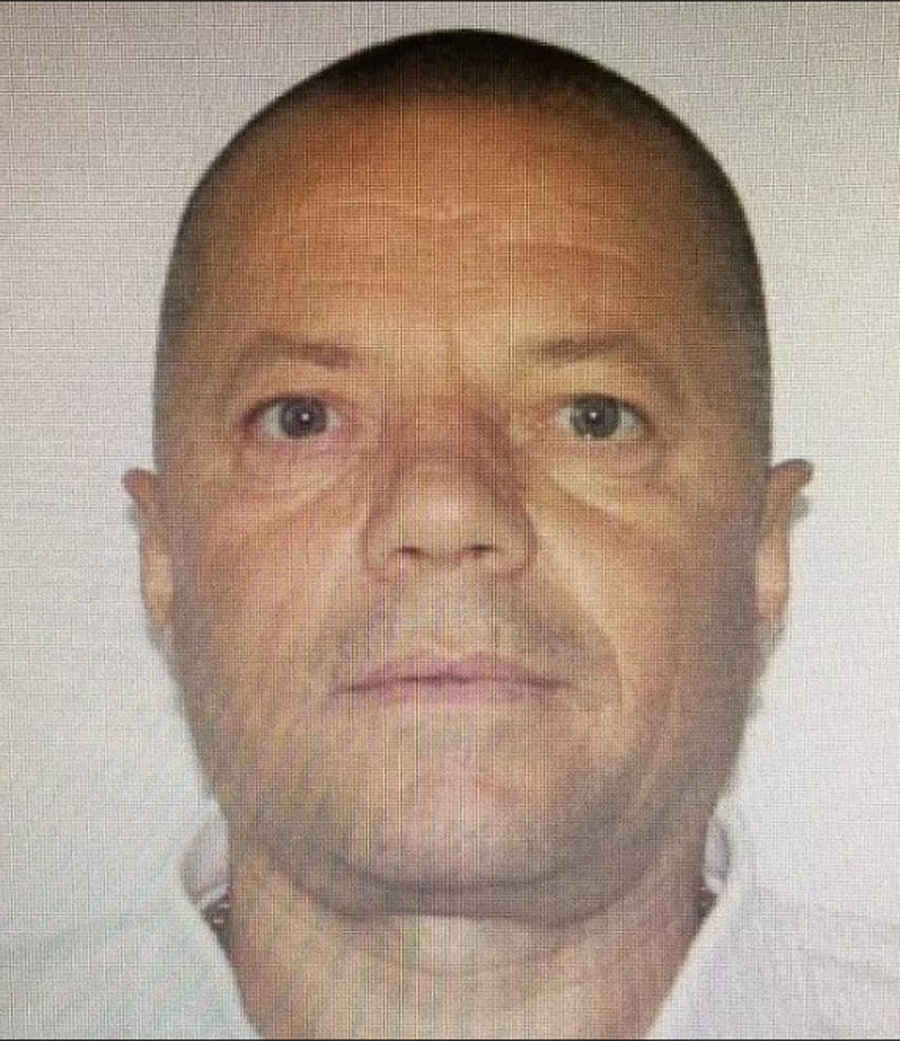
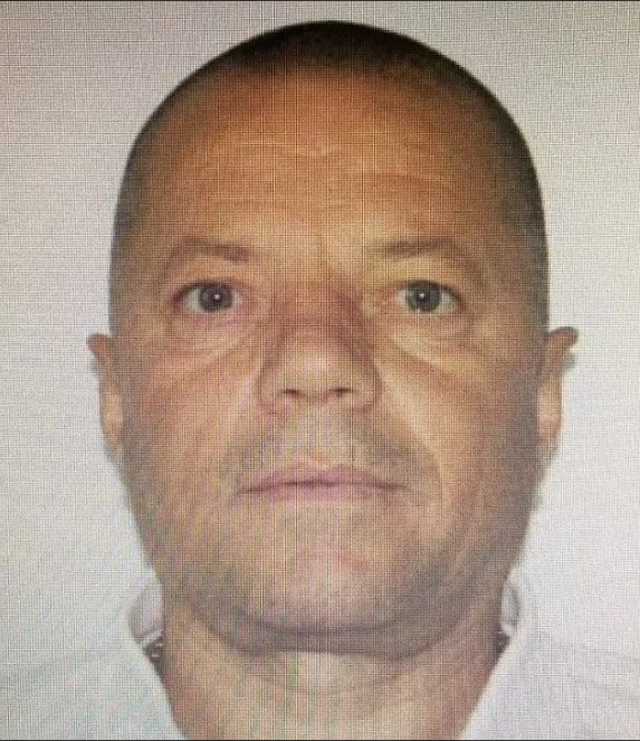
Maksim Cela, 59, is walking free on the streets of Britain after serving 23 years in prison for murdering a police officer and planning to detonate a bomb in a 12,000-seat football stadium in 2000, an immigration court was told.
The mafia kingpin, who has already cost taxpayers tens of thousands of pounds to fight deportation, claims he cannot return to Albania because 'terrible' gangs will plot revenge against him.
Çela also claims that he was wrongly convicted of his crimes and that his prosecution was politically motivated.
The 59-year-old is a 'violent terrorist' who should be deported, according to the Home Office. The Home Office believes that Çela made up his story after learning that he would not be able to gain asylum.
Çela, who was born in the Albanian city of Lushnje, says he was a businessman. He said he ran a car sales business, while also working at a dental clinic and a hospital.
The asylum seeker was initially imprisoned after his plot to detonate a bomb in a stadium was uncovered in 2001. He was jailed for 5 years by an Albanian court.
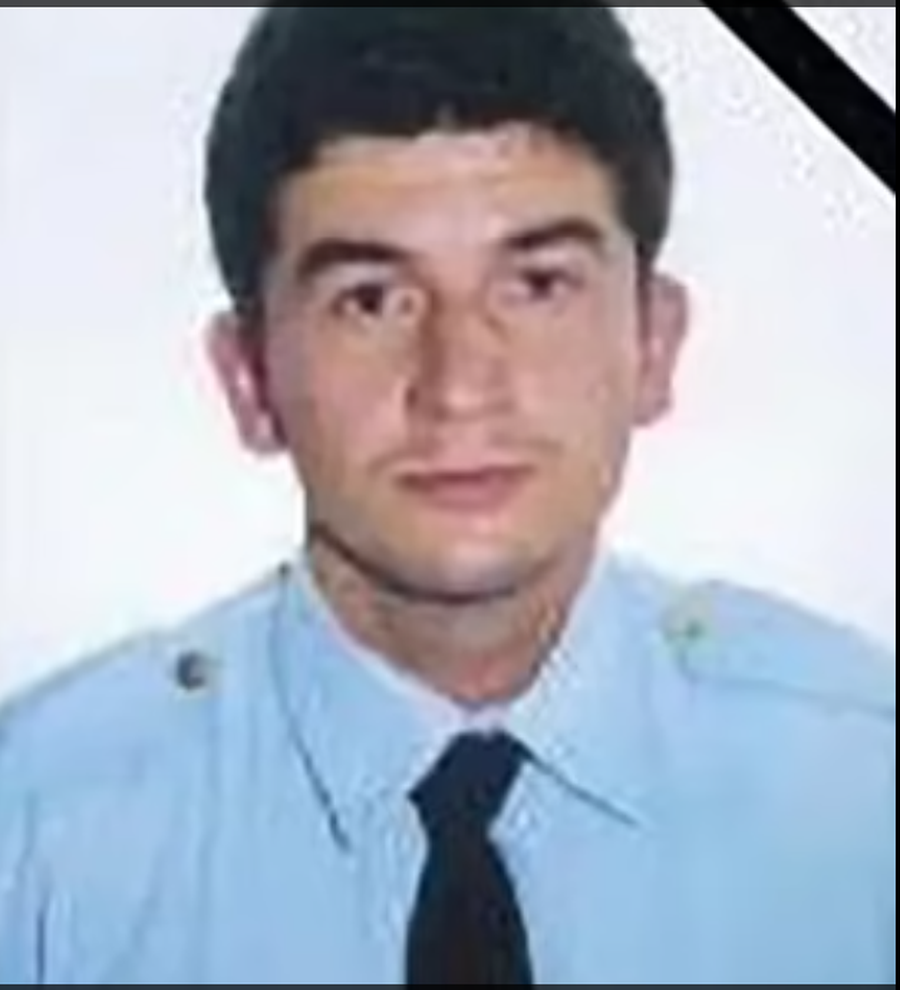
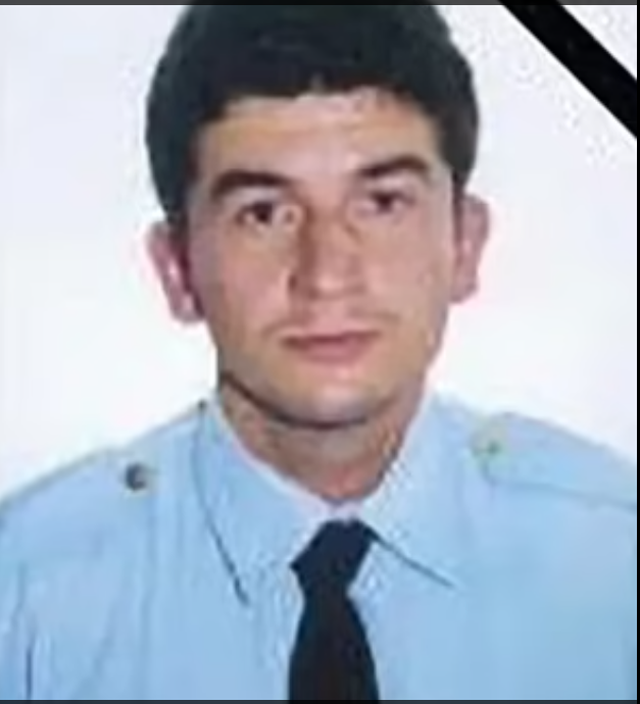
Çela was sentenced to 25 years in prison in September 2006 for 'participation in criminal organizations', the murder of a police officer, Klenti Bano, and the unauthorized production and possession of weapons and ammunition, the courtroom was told.
He was released in December 2022, having served more than 23 years of his 25-year sentence. In December 2022 he left Albania for Spain, travelled to Italy and then flew to the UK on what he admitted was a fake passport, arriving at Heathrow in January 2023.
When initially interviewed by the Home Office, Çela claimed that 'three terrible criminal groups' were 'coming after' him and his family because he was a member of the 'Lushnja gang', the court was told.
A letter to the Home Office written on his behalf said that rival gang members would 'execute him in revenge' if he returned.
Cela has since changed his story, the Home Office says, claiming he was never really a gang member but had fabricated it.
"It was politically motivated, I was just a businessman," said Çela, who represented himself at the hearing and spoke through an interpreter.
The Albanian told the court that there were four attempts to kill him while he was in prison. The Home Office says he exaggerated the threat from rival gangs and could receive protection from Albanian authorities or be relocated to another area of the country if deported.
Paul Skinner, representing the Home Office, asked Çela: 'is it right that you do and say whatever you want to get what you want, or not?'
“You really want to be in the UK to be with your wife and daughter and you are willing to do whatever it takes to stay,” he said. According to him, the Albanian state is taking steps to avoid the risks that Mr Çela may face.
The high court will now make a decision on whether Çela will be allowed to remain in the United Kingdom.
Çela's asylum application was rejected by a judge at the first-tier immigration court, but a separate claim that his life was in danger from rival gangs was upheld. His claim was based on Article 3 of the European Convention on Human Rights, which prohibits 'torture or inhuman or degrading treatment or punishment'.
Following an appeal by the Home Office, a panel of judges overturned the decision, finding that there had been an 'error of law'.
The high court will now make a decision on whether Çela can stay. /Adapted from Pamphlet by Daily Mail/






Lini një Përgjigje