


 Shkruar nga Ismet Azizi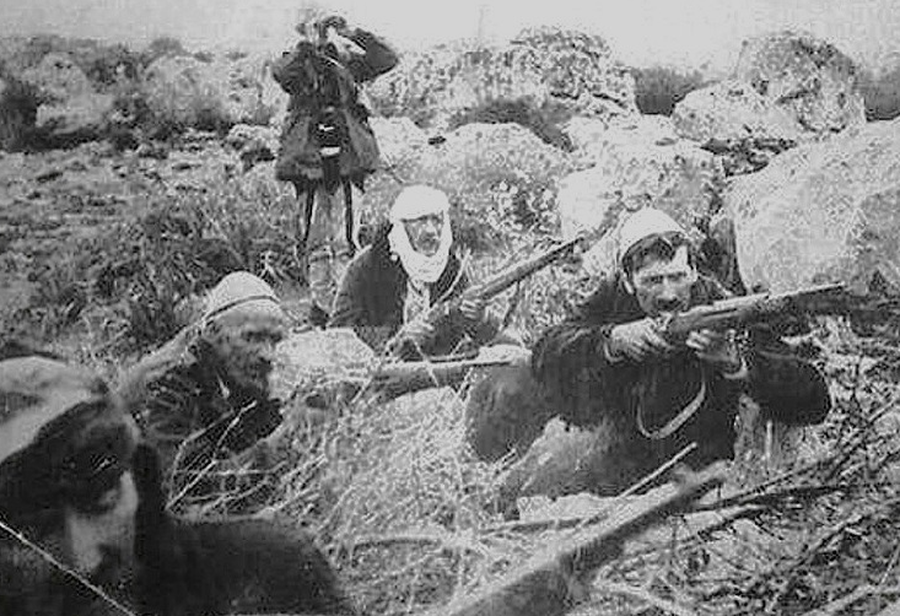
A distorted history, a deliberately erased reality
The events of the autumn of 1941 in Sandžak, and especially in Novi Pazar, constitute one of the bloodiest and most distorted episodes in the history of the region. What happened that year were not “local skirmishes”, as Serbian historiography has systematically called them, but the first organized attempt at ethnic cleansing of Sandžak, carried out by Chetnik formations under the command of Dragoljub Mihailović, Kosta Pećanc and local leaders such as Radomir Cvetić, Todor Dobrić, Mašan Đurović and others. In Serbian historiography, from the work of Vaso Ćubrilović to the post-war interpretations of the “partisan” school, the events of Novi Pazar have been presented deliberately toned down: as “interethnic conflict”, “local revenge”, “Muslim disloyalty”, and even as “Albanian and Bosnian collaborationism”.
This narrative has served to cover up the simple and undeniable fact: 1941 was the year of the first serious attempt at the total extermination of the Muslim population of Sandzak.
The burning of villages, the massacres of civilians, the mass slaughter, the rapes, the kidnappings and the burning of 2,016 Serbian houses and 776 Albanian and Bosnian houses within a few weeks – were not a spontaneous process. It was an operational plan clearly written by the ideologists of Greater Serbia: Stevan Molevic, Vaso Cubrilovic and the leaders of the Chetnik formations.
This article aims to reveal the historical truth – stripped of propaganda – about the three Chetnik attacks on Novi Pazar (October–December 1941), the organized Albanian-Bosnian resistance, the role of Aqif Efendi Blyta, the participation of Albanian units from Kosovo, as well as the human dimension that is often erased: the rescue of hundreds of Serbs by the Muslims of Pazar themselves.
From the fragmentation of Kosovo and Sandzak (1912) to the creation of a colonial reality
After the occupation of Kosovo and Sandzak by Serbia and Montenegro in 1912–1913, the Albanian and Bosnian population was treated as an ethnic and political alien body. According to the famous Načertanije program and Vaso Čubrilović’s elaborative: “The Muslim element must be eradicated from the territories of Yugoslavia, as it poses a permanent threat to the Serbian state.” Colonization, forced displacement, burning of villages, political liquidations – were part of the institutionalized state plan.
Colonization policy (1918–1941): the basis of the 1941 outbreak
In the years 1919–1941, the policy of Her Majesty's Kingdom and then Yugoslavia included: the displacement of Albanians towards Turkey, Syria and Albania; the colonization of the Ibar Valley, Peshter and the entire Sandzak with Serbs; the creation of repressive units (the gendarmerie, the "forces of order"); the criminalization of any form of Albanian self-defense; the burning of about 120 Albanian villages in Kosovo and Sandzak, during the 1920s–1930s. This policy prepared the ground for what would happen in 1941.
What did the Chetniks want in 1941?
Stevan Moljeviqi says it openly: “The Sandžak must be cleansed of the Muslim and Arnaut elements.” “Serbia and Montenegro must have a common border.” “Sandžak must be cleansed of the Muslim and Arnaut elements.” This plan became an official document in the program of the Ravnogorski pokret (September 1941). Why did the New Bazaar become the main target?
Three main reasons:
It was the largest urban center in Sandzak. Novi Pazar had an overwhelming Bosnian-Albanian majority and a strong merchant class that controlled the local economy.
It was located on a key strategic corridor. The Mitrovica–Novi Pazar–Raška corridor was the only line of communication between Serbia and the highlands.
The local leadership was strong and organized. Aqif Efendi Blyta, Mulla Jakub Kardovic-Kombi, Ejup Lajic and many others had connections with: Drenica, Rugova, Peja, Plava and Guci, as well as with the Kosovo Committee. This made the city impenetrable for the Chetniks.
The first Chetnik attack on Novi Pazar (November 4, 1941)
How did it all start? The Germans abandon the city – the Chetniks enter the field. On October 2, 1941, the German command, fearing to be isolated during the great uprising in Serbia, abandoned Novi Pazar and retreated towards Mitrovica. Their departure created the classic vacuum: when the occupying army withdraws, parallel ethnic structures begin the battle for control of the territory. For the Chetniks of Raška, Kopaonik, Ibarsko-Kolašin, this was the long-awaited moment for the realization of the ideological objective: the extermination of the non-Slavic element in Sandžak.
In this vacuum, on October 4, the Muslims of Novi Pazar created the City Defense Committee, headed by Aqif Efendi Blyta. He managed to secure: 150 rifles from the gendarmerie depots, the establishment of armed guards at the entrances and exits of the city, the blocking of the movement of the population to avoid Chetnik infiltration, the sending of delegations to Drenica, Peja, Plav, Guci, Rožaja and Mitrovica to ask for help. Help came quickly. On October 7, 1941, the first group of 500 fighters from Kosovo entered Pazar, under the command of Shaban Polluzha, after they had defeated the Chetnik forces in Kolasin.
Chetnik plans: encirclement and total massacre
Sipas dokumenteve të vetë çetnikëve, plani i kapiten Radomir Cvetiq ishte: “Rrethimi i qytetit në formë unaze dhe likuidimi i plotë i popullsisë myslimane”. Në këtë sulm morën pjesë: Skuadra e Studenicës-dezhevës odred, skuadra e Kolashinit, rreth 20 serbë të arratisur nga Pazari, civilë të armatosur nga fshatrat Trnava, Pozhega, Brxhani, Banja, etj. Numri total i çetnikëve: 600 luftëtarë, por të gjithë me qëllim të qartë: hyrja në qytet dhe masakrimi i popullsisë myslimane. Kjo konfirmohet edhe nga prania e dhjetëra familjeve serbe të veshura me rroba të zeza, të cilat shoqëronin formacionet – të gatshme për të “identifikuar” shtëpitë myslimane dhe familjet për t’u ekzekutuar.!
Pse dështoi sulmi?
Sulmi filloi në orën 04:00 të mëngjesit. Deri në orën 10:00 çetnikët u detyruan të tërhiqen.
Arsyet:
Organizimi i jashtëzakonshëm i mbrojtjes civile; Komiteti i Bljutës kishte bërë mobilizim të shpejtë: rreth 1.500 mbrojtës lokalë, ndihmë nga 500 luftëtarë të Drenicës, formacionet e Milicisë popullore antikomuniste nga Peshteri dhe Bihori.
Moral i lartë; Për popullsinë myslimane, kjo ishte çështje mbijetese. Dëshmia nga Biko Dresheviqi, Mulla Jakub Kardoviq-Kombi dhe Xhemail Koniçani, tregon se luftohej derë më derë, dhe se çetnikët shpesh i goditnin nga prapa (për shkak të njohjes së terrenit nga vendasit).
c) Pa përgatitja e çetnikëve; Shumë prej tyre kishin vetëm: sëpata, furka, sfurqe, thika. Disiplina ushtarake ishte e dobët. Xhandarmëria serbe e luftës së parë botërore nuk ekzistonte më; çetnikët ishin në thelb njësi paramilitare të fshatarëve të revoltuar.
d) Alkool, plaçkitje dhe kaos; Dokumentet tregojnë se shumë çetnikë pasi hynë në Brđani, Trnava dhe te varrezat e Gazilarit, filluan: djegie shtëpish, plaçkitje, pirje të rakisë, therje bagëtish. Forca pa disiplinë nuk fiton betejë.
Masakrat pas sulmit të parë: krismë që nuk u shkruan në letër
Pas dështimit, çetnikët u hakmorën me djegiet dhe vrasjet masive në: Trnava, Brđani, Banja, Jança, Muhovo, Grabin, Bijele Vode, etj. Këto fshatra u dogjën pa mëshirë. Në fshatin Pozhega, në shtëpinë e Bahtiar Dolovcit, u masakruan 13 gra dhe fëmijë serbë e myslimanë, edhe pse familja Dolovci kërkoi të mos prekej askush. Ky rast është shembull i qartë se konflikti nuk ishte thjesht “serb kundër mysliman” – ishte një luftë e organizuar nga çetnikët dhe e ushqyer me propagandë, por jo me ndarje absolute mes popullsisë civile.
Dimensioni më pak i njohur: shpëtimi i serbëve
Aqif Efendi Blyta, Mulla Jakub Kardoviqi dhe dhjetëra familje myslimane shpëtuan 420 serbë të Novi Pazarit, duke i strehuar në ndërtesën e Gjykatës së Qarkut. Nuk ka shembull tjetër në Ballkan gjatë Luftës II-të Botërore ku: popullsia e sulmuar dhe e djegur shpëton popullsinë e sulmuesit. Ky fakt është sistematikisht i fshehur në narrativën serbe.
– Sulmi i dytë çetnik ndaj Novi Pazarit (21 nëntor 1941)
A larger, better organized offensive… and again failed. In just 17 days after the first failure, the Chetniks returned with a new offensive, much larger in numbers and weapons, in order to correct the “shame” suffered on November 4. This attack was: more organized, better armed, more brutal towards the civilian population, and with clear genocidal intentions.
Composition of Chetnik forces in the second attack
The attack was led by: Lieutenant Pavlović, Captain Radomir Cvetić, Vojvoda Mašan Đurović, Mirko Tomashević (officer of Pečanac), units of the Kolasin line, units of Vračevska–Nikolača, Serbian units of Raška and Studenica. In total, according to Serbian sources, there were about 1,200 fighters, while according to Albanian and Bosnian sources, the number reached 1,500–1,800.
Objective: the complete extermination of Muslim villages
This is again proven by the operational plans of the Ravnogorski Pokret: “Cleaning the terrain towards Drenica, Dukagjin and Pazar”. “All Muslim animals had to be removed”. “Novi Pazar had to be destroyed. The goals were no longer only military, they were of an ethnic and religious nature.
Progress of the attack
The attack began on November 21, 1941. In this battle, the Chetniks had greatly expanded their front line: from Požega, to Dojevica, from Vučinić, from the Rogozna mountains, all the way to Vidovo and Trnava. For the first time, the Chetnik attack aimed to enter directly into the city center, through the Raška valley.
The reaction of the Bosnian-Albanian defense
At this time, there were about: 2,000–2,600 fighters in Pazar (according to Albanian authors), including units from Drenica, units from Bishevo, the Voluntary Militia of Peshter, fighters from Drenica, Bajgora, Rugova and Rozaja. The defense was already experienced and highly motivated.
Chetnik losses and barbarity
According to the author Ćuković: 42 Chetniks were killed, 26 defenders were killed, 45 people were injured, 20 Muslim women, children and elderly people were massacred. Other sources give even higher figures. A fact that is not disputed by anyone: September–December 1941 are the most important months for the Muslim population of eastern Sandžak in the 20th century, which managed to avoid genocide. In those areas where there were volunteer forces from Kosovo and the People's Militia, the Serbian and Montenegrin Chetnik formations failed to carry out ethnic cleansing.
Burnings and massacres during the second attack
In this offensive, the Chetniks committed atrocities documented by Serbian authors such as Radović and Živković. In this wave of barbarity, the following towns were burned: Požega (for the second time) Dojeviće Vučiniqi Vučja Lokva, Berberishten, Rvatska, Kalin, Guljije. Some data speak of about 75% of the territory of Deževa being burned in this phase. A particular act of cruelty: In Vučja Lokva, a Muslim woman was nailed alive to a tree. (The Serbian source confirms this.)/Memorie.al





Lini një Përgjigje