


 Shkruar nga Pamfleti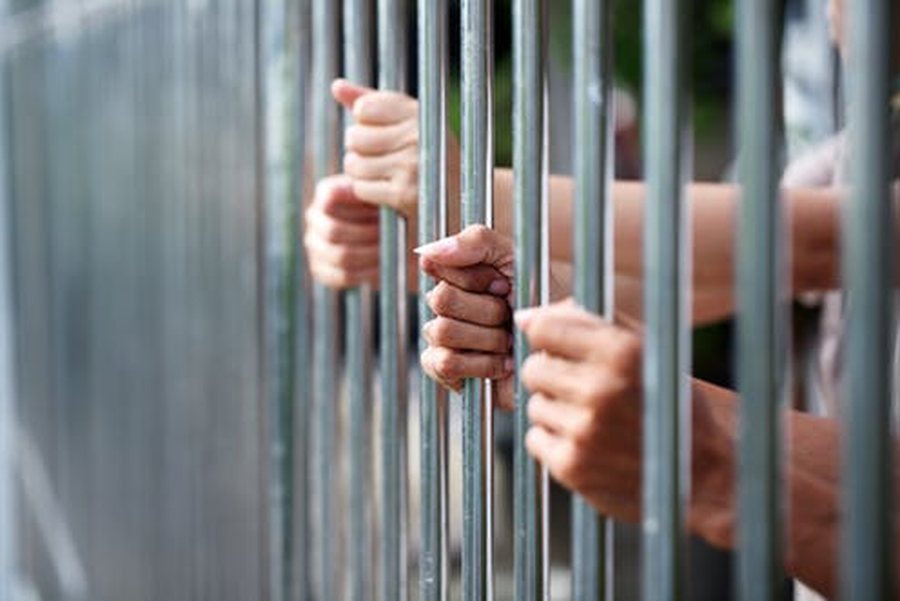
The Human Rights Association of South Africa (HRA) has called on the Albanian government to take urgent measures to end the prolonged detention of minors, warning that current practices contradict international standards and Albania's commitments to the European integration process.
In a public statement, HRA President Saad Kassis-Mohamed said that a minor in Albania spends an average of 189 days in detention before their case is reviewed by the court.
“ This is more than six months. Before any court decision. Before any conviction. A child in Albania can miss almost a full school year in detention without being convicted yet ,” he declared.
According to the organization, although Albanian law considers the arrest of minors as a measure of last resort, practice on the ground shows serious structural problems in the juvenile justice system.
HRA acknowledged that Albania has undertaken reforms within the framework of the “Justice for Children 2022–2026” strategy and that in 2024 alternatives to detention were used in 64% of cases. However, the organization emphasizes that this does not change the fact that many minors continue to be held for long periods in cells.
The statement also refers to concerns previously raised by the UN Committee against Torture and the European Committee for the Prevention of Torture, which have criticized conditions in detention facilities in Albania, including overcrowding, lack of medical staff, and problems with access to healthcare.
The organization urges the Albanian government to establish mandatory maximum limits for the detention of minors, to guarantee the systematic use of alternatives to detention, and to ensure full access to legal protection, education and health services for all minors in detention.
The HRA also emphasizes that the juvenile justice system is part of the key chapters being monitored by the European Union in Albania's accession negotiation process.
Full statement
The Human Rights Association (HRA) today calls on the Government of Albania to take immediate and binding measures to end the prolonged detention of children in conflict with the law, to ensure that detention is used only as an absolute measure of last resort in cases of minors, and to implement without further delay the necessary legal and institutional reforms to bring the treatment of minors in detention into full compliance with international human rights obligations and the standards required for membership in the European Union.
Shqyrtimi i HRA-së mbi gjetjet e paraqitura përpara Komitetit të Kombeve të Bashkuara Kundër Torturës në nëntor 2025 konfirmon se periudha mesatare që të miturit kalonin në paraburgim në Shqipëri gjatë vitit 2025 ishte 189 ditë. Kjo do të thotë më shumë se gjashtë muaj. Një fëmijë që futet në paraburgim në Shqipëri mund të kalojë ekuivalentin e një viti të plotë shkollor i izoluar para se çështja e tij të dëgjohet në gjykatë.
Komiteti i OKB-së Kundër Torturës vuri gjithashtu në dukje numrin e lartë të personave në paraburgim në përgjithësi dhe ngriti shqetësime për mungesën e aksesit adekuat në kujdes shëndetësor për personat e ndaluar. Komiteti Europian për Parandalimin e Torturës ka shprehur në disa raste shqetësim për kushtet e jetesës në institucionet shqiptare të ndalimit, përfshirë pacientët e psikiatrisë ligjore të mbajtur në një strukturë të përkohshme brenda burgut të Lezhës, ku janë dokumentuar mbipopullim, mungesë personeli mjekësor dhe infrastrukturë e dobët.
Paraburgimi i zgjatur i fëmijëve nuk është një anomali procedurale. Është një dështim strukturor. Ligji shqiptar tashmë e përcakton arrestimin si masë të fundit për të miturit në konflikt me ligjin. Në vitin 2024, alternativat ndaj paraburgimit u përdorën për 64 për qind të të miturve shkelës të ligjit. HRA e njeh këtë si progres. Por kjo nuk adreson 36 për qindëshin për të cilin paraburgimi u aplikua, as kushtet dhe kohëzgjatjen e ndalimit pasi ai vendoset.
Një mesatare prej 189 ditësh në paraburgim nuk është në përputhje me parimin që privimi i lirisë për fëmijët duhet të përdoret për periudhën më të shkurtër të mundshme. Nuk është në përputhje me Konventën e Kombeve të Bashkuara për të Drejtat e Fëmijës, të cilën Shqipëria e ka nënshkruar. Nuk është në përputhje me standardet që Shqipëria ka pranuar si pjesë e procesit të anëtarësimit në Bashkimin Europian.
Gjatë periudhës në shqyrtim, Shqipëria ka ndërmarrë reforma domethënëse në kuadrin e drejtësisë për të miturit. Strategjia ndërsektoriale “Drejtësia për Fëmijët 2022–2026” dhe plani i saj i veprimit angazhojnë Shqipërinë në forcimin e sistemit të drejtësisë për të miturit. HRA i njeh këto angazhime. Por organizata thekson se angazhimi për reformë dhe një mesatare prej 189 ditësh paraburgim për të miturit nuk mund të bashkëjetojnë si një situatë e pranueshme.
Pyetja nuk është nëse Shqipëria e ka pranuar problemin. E ka pranuar. Pyetja është nëse ritmi i zbatimit të reformave është në përpjesëtim me seriozitetin e asaj që po u imponohet fëmijëve që nuk janë dënuar për asnjë vepër penale. Vlerësimi i HRA-së është se nuk është.
Procesi i anëtarësimit të Shqipërisë në BE e vendos sistemin e drejtësisë për të miturit drejtpërdrejt brenda kapitullit për sundimin e ligjit dhe të drejtat themelore. Raporti i Progresit të Komisionit Europian për Shqipërinë 2025 përbën pjesë të standardeve mbi të cilat vlerësohet progresi i vendit drejt anëtarësimit.
HRA calls on the Albanian government to treat the average figure of 189 days of pre-trial detention not as a statistical artifact of an imperfect system, but as the individual reality that every detained child faces: six months or more of isolation before a court decision, during the most formative years of a person’s life, without being found guilty by any court. This is the standard that HRA calls on Albania to end.
HRA President Saad Kassis-Mohamed stated: “ In 2025, a child held in pre-trial detention in Albania spent an average of 189 days there before their case was heard. That’s more than six months. Before any decision. Before any sentence. Before any court found them guilty of anything. Albanian law states that detention is a measure of last resort for minors. Albanian policies are committed to strengthening juvenile justice. But a child in Albania who is placed in pre-trial detention can expect to spend the equivalent of a full school year in isolation before their case is resolved. This is not a measure of last resort. This is a system that has yet to align its practices with the principles it proclaims .”
He added: “ Albania is a candidate country for the European Union. It has signed the Convention on the Rights of the Child. HRA calls on the Albanian government to ensure that the treatment of children in detention reflects these commitments in practice and not just in legislation .”
The HRA specifically requests the Government of Albania:
- establish mandatory maximum time limits for the detention of minors in accordance with the UN Convention on the Rights of the Child and the UN Standard Minimum Rules for Juvenile Justice;
-ensure that alternatives to detention are systematically considered and used before any decision to detain a minor;
guarantee independent monitoring access to all institutions where minors are held in detention;
-ensure that all juveniles in detention have full access to legal protection, education and appropriate health care;
-and to report publicly on the measures and deadlines taken to address the average of 189 days of detention as part of reporting obligations for the European integration process.
The Human Rights Association is an initiative of the Cape Town-based WeCare Foundation, an international human rights organization that works to protect people facing unjust detention, lack of medical care, and violations of due process, collaborating directly with United Nations mechanisms in their protection.





Lini një Përgjigje