


 Shkruar nga Pal Sokoli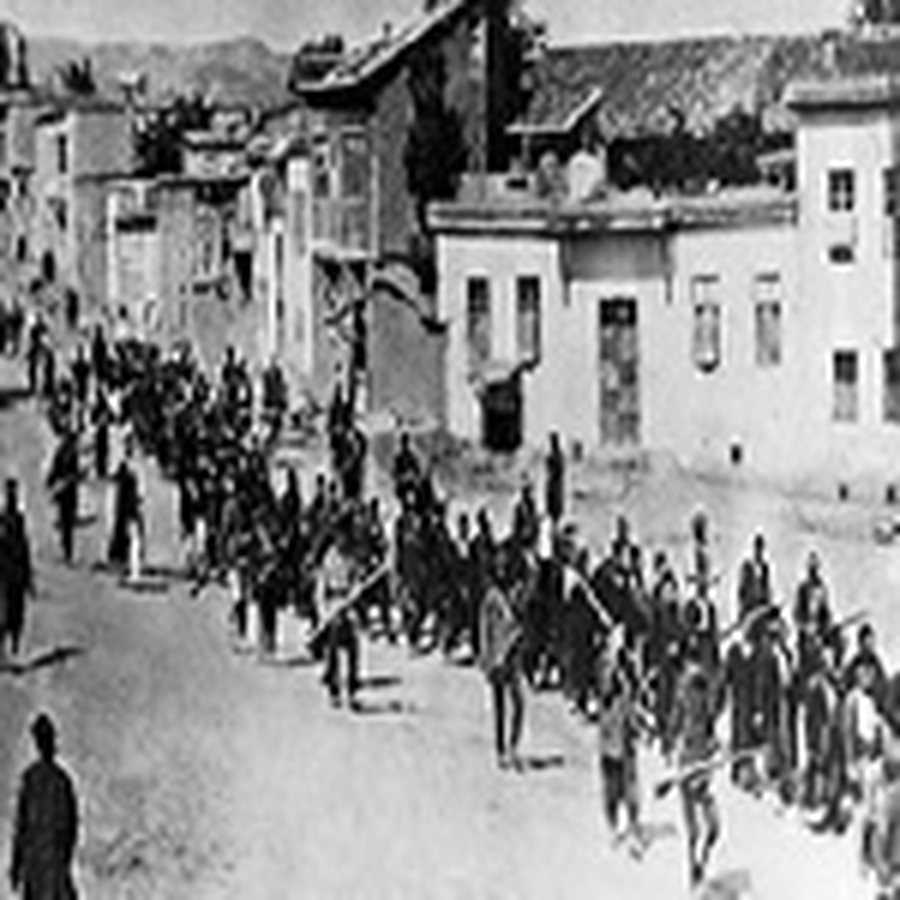
My father, Brahim Sokoli, was born in Lekbibaj-Tropoja, on January 1, 1900, and passed away on August 31, 1991, in Mejë, Kosovo, Gjakova province. As a young child, Brahim, along with other Sokol Ndout family members, lived in Radoniq, Gjakova, Kosovo, until 1978, then moved from Radoniq with all the other villagers and found a place to live in Meje, three kilometers near the city of Gjakova. Brahim, at the age of seven, lost his father Deli Sokoli. In 1907, Deli Sokoli set off with a cousin for a family visit to Lekbibaj, to his Paplekaj brotherhood. On the way, he was ambushed and treacherously killed by some Cubans, who were either paid or greedy for loot.
Brahim, as a seven-year-old boy, was raised by his mother Zade and his uncles. At a very young age, he had to do various manual labor jobs in order to become independent and restart his life. Thanks to his handy skills, he built a small house, raised livestock for his family's needs, and every year he increased his land, either by clearing land from the mountains and turning it into working land, or by buying it. As for reading and writing, he had only taken one course in the Serbian language.
He had learned the Cyrillic alphabet and when writing in Albanian, he used the Cyrillic letters of the Serbian language. Brahimi worked for a time in the “Ereniku” Agricultural Cooperative in Gjakova. Brahimi also experienced a time of great events since the First World War, the liberation from the Ottoman Empire, then he reached his maturity precisely when the various liberation movements against the new Serbian-Montenegrin occupation and others were very active.
He marries Trashe (Bjeshkë) Ndue Kabashi and together they have nine children and raise them without any harm. Eight boys and one girl, all of whom grew up and were educated under the care of their parents in not-so-good conditions that the majority of the Albanian population did not have at that time.
The Brahimi were mobilized several times for forced labor, to build houses for Serbo-Montenegrin settlers, who, according to the Agrarian "Reform", which was nothing more than a project to change the demographic structure of the population of Kosovo, by exerting various psychological and physical pressures, police torture and liquidations of distinguished national figures, as well as the appropriation of some religious leaders, luring them or even encouraging them with "religious rights", only to avoid education or even national inspiration.
The secret Serbian-Turkish agreements, like the Greek-Turkish ones, were to the detriment of the indigenous Albanian population, who were massively displaced throughout the lands of Anatolia and replaced with Serbian-Montenegrin populations. Brahimi had organized, together with uncle Dede Sokoli, the beating of a Serbian engineer who was deceiving Albanians, that they would work for pay in the construction of houses for the "settlers", as the Serbian-Montenegrin settlers were called at the time.
The entire period between the two world wars was just a new and destructive war, and unfortunately invisible, to the detriment of the Albanian population. Various resistance wars, called "Kaçaka", were waged by the best people of the nation, who unfortunately, according to the so-called agrarian reform, were persecuted, killed and expropriated.
Their real estate was usurped by the violently imposed government and given to the Chetnik extremists, who fought uncompromisingly against the local Albanian population. With this, they achieved their two goals, the depopulation and expropriation of the Albanians and the ownership of the most extreme colonizers, who always had the support of the Serbian state and raised their heads and vented their anger against the Albanian people.
In March 1945, Brahim was mobilized for the second "Adriatic" front, ostensibly to pursue the German occupier who was fleeing Yugoslavia. He was mobilized along with several other locals for this "anti-fascist front" and was one of the few who escaped the massacre secretly organized by the Yugoslav communists.
They took advantage of the weakness of the fascist occupying forces and so, in the name of pursuing this occupier, they began to put pressure on Albanians and facilitate the annexation of Kosovo and its incorporation into Yugoslavia.
On the other hand, the Albanian communist forces on both sides were also aware of this criminal act that would take place in Tivar, but they also took this act as a settling of scores with the right-wing forces among the Albanians and that, according to their assumptions, there were such forces among the population that was not with the National Liberation War. Their mobilization was a common idea of the Albanian and Yugoslav communists. Regarding this, my father, Brahimi, told us:
"They gathered us in Gjakova at a school, Bunari (meaning the Higher Pedagogical School). In the yard of this school with many others, a neighbor of mine from the village of Radoniq, Ilia Zeqević, saw me. He approached the fence and said to me; 'what are you doing here, Brahim'? I told him that they had taken me to the city and that they were saying that you were mobilized.
'Go away, brother Brahim, you're not doing well, you have a small child' and he left, looking around, not hearing anyone talking to me. The classrooms were filled with mobilized people, we didn't even have anywhere to lie down because there were so many of us, the blackboards smelled of tar because they had been painted and we couldn't sit down, even those who were tired sat down, drying their clothes, we slept as best we could.
Me veti kishim ndonjë armë që i kishim personale, nuk kishin të gjithë, po na kishin premtuar se kush nuk ka armë, do të na i japin. Të nesërmen na çuan për Prizren dhe atje na bashkuan me shumë e shumë të mobilizuar të tjerë, nga të gjitha anët e Kosovës.
Na mblodhën në një kazermë dhe na i morën të gjithëve armët edhe ne edhe shqiptarëve tjerë, që ishin ushtar partizan. Aty na hyri dyshimi, se nuk është puna mirë. Nëpër kokë më sillej edhe fjala e kojshisë. E kishim pak shpresë se kishim me i ra rrugës nëpër Shqipëri dhe thoshim se janë tanët dhe nuk na ndodhë gjë. Rrugës deri në Shkodër, na kanë rrahur, na kanë vrarë, nuk na lenin të pushojmë.
Kaluam gati një javë. Pas një kaçube pashë një të ri që gjëmonte nga plagët. Ishte shmangur për nevoja të veta dhe e i’a kishin futë rafal dhe kishin lënë për të vdekur. E pveta me të vogël, se; kush të vrau ore?! ‘Shokët që po na përcjellin’ – më tha. Nga të folurit, ma mori mendja se ishte nga Drenica. Tanimë u mor vesh, se do të na çojnë dam të gjithëve.
Kur kemi kaluar afër një kroi, na kanë urdhëruar që të mos afrohemi askush pa komandë a urdhër të përcjellësve që ishin të gjithë serb e malazez, ‘Bokeshka brigada’, u thoshin. Duhej të afroheshim, vetëm kur na lejonin ata. Përreth kroit kishte plot gjak, e morëm me mend se aty kishte ndodhë diçka e hatashme. Ju afroheshim kroit, duke shkelë nëpër gjak të atyre që i kishin pas vrarë pak më parë.
Na kishin nda në grupe dhe ashtu ecnim të lodhur, të pa ushqyer, as me pi ujë nuk na lenin. Kam pa shumë djem a edhe unë vet, kam pi ujë nëpër rrugë, se nuk na lenin të dalim jashtë rreshtit. Kur jemi afrua lumit Buna afër Shkodrës, duhej me kaluar mbi gjemi (varka) e, me dalë ashtu me grupe në anën tjetër. Më dukej se ura mbi Bunë, ishte e dëmtuar. Disa djem ishin fjalosur me ushtarët serbo-malazez dhe i kishin gjuajtur në lum, dy nga ata ushtarë.
Derisa kishte ndodhur ashtu, ushtarë të tjerë kishin vrarë të gjithë të mobilizuarit që gjendeshin, jo vetëm në atë gjemi, por edhe në pesë gjemi të tjera, kjo përfolej nga gojë më gojë. Grupi im ishim afruar lumit, na kanë ndaluar sepse ne i dëgjuam pushkët dhe nuk na lenin të shohim se çka po ndodhë, kishin frikë se mos po rebelohemi te gjithë dhe ashtu duhej të vepronim.
Ata, për t’i zhdukur gjurmët, i pastronin gjemitë nga te vrarët dhe gjaku. Flitej se ishin dëgjuar edhe zërat e disave nga të vrarët, kur ushtarët serbo-malazezë i gjuanin të gjallët në lumin Bunë. Dikur e kaluam edhe na lumin, ushtarët ishin acaruar dhe mund të na vrisnin pa asnjë fjalë.
Ashtu të lodhur dhe të stresuar, i’u afruam Shkodrës. Në Shkodër na rreshtuan të Kalaja. Aty erdhi një automobile, me dikë nga udhëheqësit e Shqipërisë. Kur doli nga makina, i’a luajti dorën oficerëve ushtarak serbo-malazezë dhe i’u ka thënë me zë, se; ‘kështu nuk i kishim fjalët’! Ju është afruar disa oficerëve dhe kanë biseduar pak kohë, e më vonë edhe pse menduam se shpëtuam nga ‘përcjellësit’, tanë, na rreshtuan dhe u nisëm për Mal të Zi.
Atje nuk e dinim se ku po na çonin, po vetëm se na premtonin se do të na armatosin dhe do të ndjekim pushtuesit gjerman. Kur jemi afruar Tivarit, ishte bërë një kolonë e gjatë dhe siç dukej nuk kishte vend për të gjithë, apo ishte e kurdisur ndonjë kurth me na vra.
Unë ndodhesha në një grup që ishte gati kah fundi i kolonës. Kolona gati ishte shkri në atë lokalitet, që nuk ditshim se as çka është. Kur kemi dëgjuar të shtëna pushkësh, ne kishim marrë djegë përgjatë rrugës dhe siç ishim të pa armatosur, disa nga ne u shtrim për tokë.
Posa kanë krisur pushkët brenda atij lokaliteti, kanë filluar edhe të shtëna nga jashtë. Aty kanë shti nga të gjitha anët, në neve. Shumicën me duar të lidhura pas qafe, i shtynë në një magazinë që ma vonë e morëm vesh se kishte qenë duhani, edhe ata i kishin pas mbytë të gjithë. Mbeten shumë te vrarë por disa edhe ikën kah munden po edhe nëpër disa shtëpia. Po edhe civilët ishin të armatosur dhe na gjuanin me na vra kurdo që i’u afroheshim.
Para meje ranë për toke disa shqiptarë që i rroku rafali (breshëria) i ndonjë automatiku, për të cilin as që mund ta dinim se nga na gjuanin. U rrëzova edhe unë dhe ashtu qëndrova disa minuta dhe kur pashë se nuk jam i plagosur, me vrap kam dalë në drejtim të shtëpive të banuara. Edhe disa të tjerë që kishin shpëtuar u ngritën dhe morën vrapin në drejtime të ndryshme.
Unë i’u drejtova një shtëpie që m’u duk si më e vjetra dhe me një oborr të hapët e plot me trupa pemësh. Gjithnjë mendoja se si mund të mbrohem nga ndonjë rafal pas atyre pemëve. Në një vrap zig-zag hyra në oborr, në fund të oborrit kishte një stallë të vogël. Stalla ishte e ndarë në dy pjesë dhe njëra anë për fat ishte e zbrazët. U futa aty dhe nuk bëra asnjë zë. Qëndrova aty disa orë.
Pastaj mora rrugë përafërsisht kah ishim ardhur, kah Shqipëria. Ndjehesh i pa sigurt edhe pse isha larguar disa kilometra nga ploja, nga vendi i ngjarjes. Vendosa të kaloj natën në një shtëpi të vjetër dhe në dukje m’u bë se ishte e pabanuar. Posa u përvjedha dhe hyra brenda, pashë se aty kishte disa derra. Ma mur mëndja se dikush mund të vij aty, po jo deri në mëngjes. Njëra anë e trupit më dukej se ishte e lagur.
Nuk e dallova deri në mëngjes, kur filloi të zbardhet dita. Atëherë pashë se ishin stërpika gjaku. Në mëngjes një grua plakë u solli ushqim derrave dhe me gjeti edhe mua aty, nuk më ka fole fare, edhe pse unë i thash; ‘Dobro jutro majko’(Mirëmëngjesi Loke), se kisha frikë se do të bërtiste dhe do të më vrisnin…! Ajo nuk foli fare, u step dhe me shikoj nga fundi i këmbëve e deri majë krese. M’a ktheu shpinën dhe doli.
Unë u përgatita të iki, se droja mos po alarmon njerëzit e shtëpisë. Përmes një të çare të derës, pashë se po kthehej me një pallto në duar. M’a përplasi në duar dhe m’a bëri me dije, se nëse vjen djali i saj, do të kisha probleme. Unë vesha atë pallto dhe u përgatita të dalë. Plaka më solli një copë buke me një copë djathë dhe më tha; ‘beži odavde’ (Ik nga këtu).
"He directed me where to go, out of that city that was in a deathly silence. There was no movement. It took me two weeks until I got home, walking the whole way. I never found out where the others had gone," my father, Brahim Sokoli, recalled.
Brahim Deli Sokoli remembered well that when he returned home, the entire house had been raided. It was at the time when, in January, Zef Sokoli had deserted from the partisan brigade, led by the notorious Malë Sadiku, and had joined the brigade of Shaban Polluzha's fighters. The raid had been carried out by a platoon of partisan soldiers from Boka ("Bokeška Brigada") and accompanied by several communist activists from the village (Haxhi Misini, etc.).
His wife, Trashe (Mari) Sokoli, or Bjeshka), remembers when the raid took place, how they had taken everything of value and how some of the local activists said to her; "Why are you staying here, waiting for Brahim to come back, don't wait for him, take this little boy and go to your father, because he will never come back, whose clothes are these that you left, are they Zefi's? They killed him too, don't wait for him!"
From their behavior, one can infer that they had also learned about the Tivar massacre and that they had surprisingly agreed with Slavic communist propaganda, that supposedly "they had been killed as deserters, that they had refused to fight against the fascist enemy," and so on.
On the other hand, the same communist activists had also attacked Zefi's house and taken all his belongings and his entire library. When my mother asked him why he was taking his belongings and books, one of those 'spineless' communists replied that; "they are books of that ballist from Frashëlli (he was referring to Mit'hat Frashëri) while he took the belongings from our Serbian and Montenegrin brothers...! /Memorie.al



Lini një Përgjigje