


 Shkruar nga Pamfleti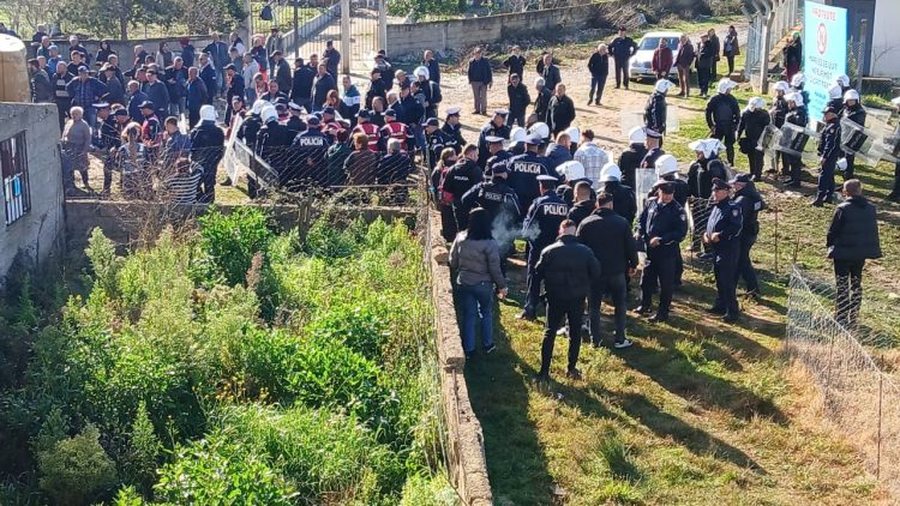
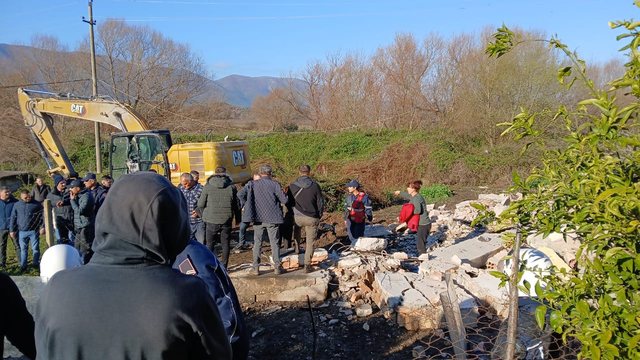
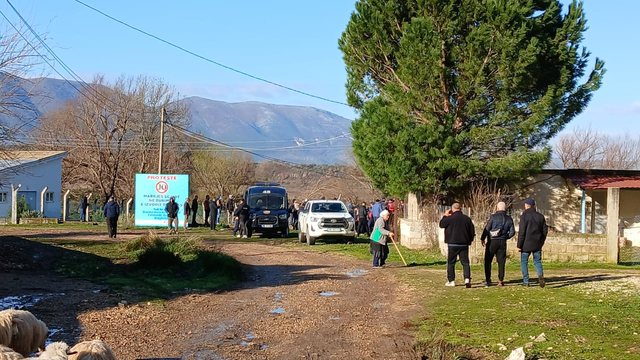
Residents of the village of Tragjas and numerous police forces clashed for 5 hours today, after the latter went to the village in support of the "Gjoka Konstruksion" company, which is working on the construction of a water supply system opposed by them.
The water supply is planned to supply water to so-called strategic investments on the Himara coast, but residents oppose it with the arguments that their water is being taken away and they are being forced to relocate.
"I've invested my whole life here, now they're taking away our water. This is displacement," said Giuliano Cabello, a 30-year-old from Tragjas, in a phone conversation.
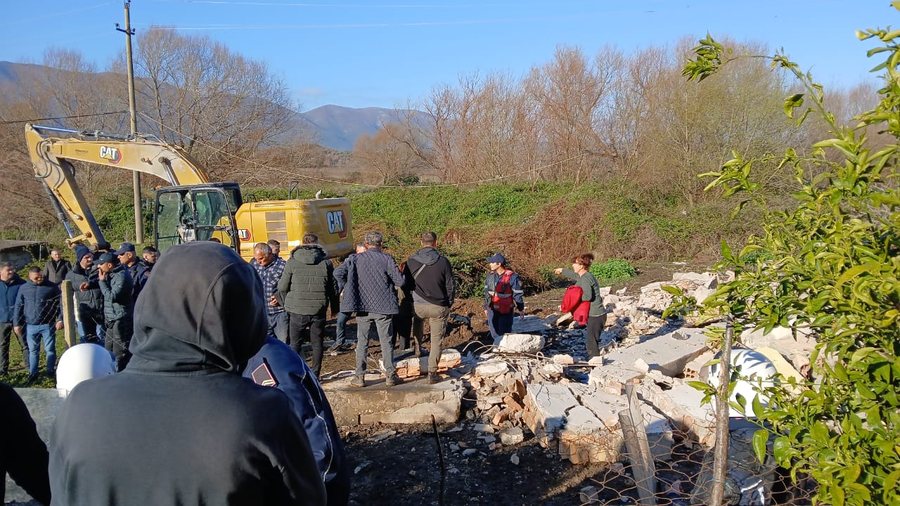
Residents shared videos of the clashes with police online. They used stones against heavy vehicles and after demolishing a former gas station, the police and construction company vehicles withdrew. Residents told BIRN that police detained some of the young people, but none of the protesters were escorted. When asked by BIRN, the Vlora Police Directorate said it would provide information after all actions were completed.
The clash over water
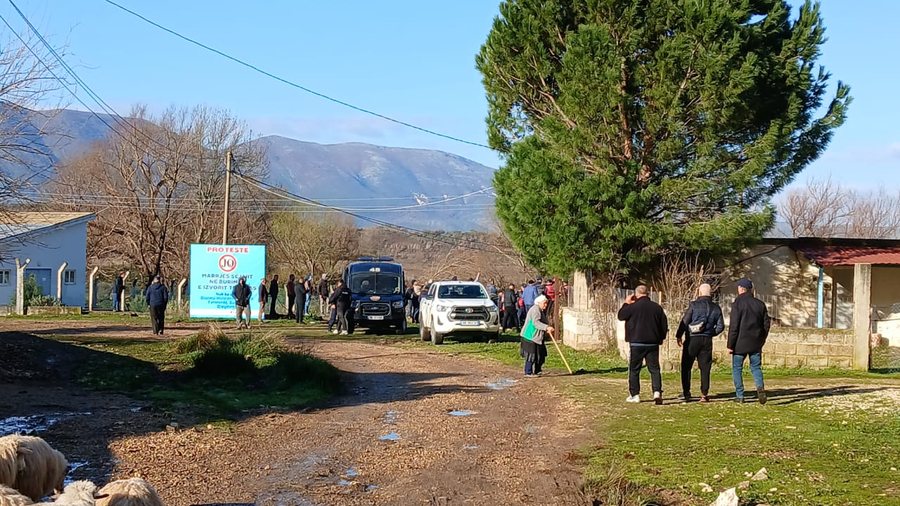
Residents of Tragjas who BIRN spoke to say that until a week ago, they were awaiting an informational and explanatory meeting with Mayor Ermal Dredha and representatives from the National Water Supply and Sewerage Agency, AKUK, as promised at the last meeting of the Municipal Council in Vlora, where they were present.
But the planned meeting on February 27th did not take place. Meanwhile, on Tuesday, the village woke up to the presence of a large number of police forces, including Rapid Intervention Forces equipped with spacesuits. Police were filmed escorting heavy vehicles of a company that intended to carry out works in the area, including the demolition of a former gas station building.
Residents of the village of Tragjas told BIRN that the presence of large police forces made them feel threatened.
"They called me in the morning and told me: 'Come on, the police have surrounded us,'" says Giuliano Cabello, a 30-year-old and protest participant.
"The police are not the company's private police, the State Police read there, which is also paid for with our taxes. It is to protect us too, but they were arrogant and when I tried to film them with my phone, they threw me to the ground and put their foot on my neck, " said Kabello in outrage.
Salibe Daupi, banore e fshatit, i tha BIRN se përplasja filloi në 7 të mëngjesit dhe zgjati deri rreth orës 12.00 të mesditës, kur policia dhe kompania u tërhoqën për shkak të rezistencës, pasi prishën godinën e ish-stacionit të pompave. Daupi thotë se para kësaj, fshati u la pa drita dhe pa internet, ndërsa një grusht banorësh u përballën me policinë më të shumtë në numër.
“Nuk është aspak e mirë dhe aspak njerëzore dhe aspak humane. Duke ardhur në 7 të mëngjesit e duke i hyrë fshatit në 7 pa 10. Ishin tetë makina policie, ishte mbush me policë,” tha Daupi. Gruaja shtoi se aksioni ishte i planifikuar gjatë dhe se policia ngriti postblloqe për të ndaluar banorët që të merrnin pjesë në protestë.
Banorët nuk u konsultuan
Ujësjellësi që merr uji në lumin Izvor dhe e dërgon atë në komplekset luksoze turistike në Dhraleo, Drimadhes dhe Dhërmi, u njoftua nga Ministria e Infrastrukturës në korrik të vitit që shkoi. Në një vizitë në zonë të ministres Belinda Balluku dhe drejtorit të AKUK, Klevis Jahja, u tha se ujësjellësi do i shërbente zonës bregdetare në Palasë, Dhërmi, Gjilekë për investimet aktuale aty dhe se uji prej këtu ishte parashikuar edhe për investimet që priteshin të ndërtoheshin në të ardhmen.
Sipas një njoftimi për shtyp të Ministrisë në korrik 2024, përfitues të investimit do të ishin “2300 banorë, 3200 punonjës që shërbejnë në njësitë hoteliere të zonës si dhe më shumë se 65 mijë turistë”.
Ujësjellësi në fjalë u kushton taksapaguesve 8 milionë euro dhe është pjesë e një serie investimesh me para publike, prej dhjetëra miliona eurosh, në shërbim të komplekseve luksoze të vilave dhe hoteleve të ndërtuara në bregdetin e Himarës nën petkun e investimeve strategjike.
Por si shumë projekte të ngjashme që prekin burimet natyrore, punimet për ujësjellësin kanë hasur në kundërshtim të banorëve të zonës. Këta të fundit thonë se punimet kanë nisur në kundërshtim me ligjin, pa u konsultuar me ta dhe se ndërhyrja u sjell atyre pasoja të rënda.
Salibe Daupi thotë se fshati ka qenë në errësirë sa i përket projektit dhe ka mësuar për të vetëm kur punimet avancuan. “Me projektin nuk jam njohur fare, nuk kemi pasur asnjë informacion. Për një kohë kanë punuar natën”, thotë ajo. Daupi thotë se banorët panë makineritë rastësisht dhe se prej atij momenti janë në protestë.
Ajo thotë se autoritetet i kanë gënjyer kur pretendojnë se do marrin 200 litra ujë për sekondë nga burimi, pasi tubat e vendosura në vend janë 500 litërshe. Daupi thotë se marrja e ujit e shkatërron zonën.
Edhe Kabello i tha BIRN se ata nuk kishin pasur asnjë informacion mbi projektin. Ai madje thotë se takimi me kryetarin e bashkisë, Ermal Dredha, i premtuar pas një takimi në Këshillin Bashkiak të Vlorës, nuk u realizua pasi askush nuk erdhi. “Kemi video dhe foto që takimi nuk u bë”, tha ai.
Kabello dhe Daupi akuzojnë qeverinë se po synon t’i shpërngulë.
Vlora Mayor Ermal Dredha told BIRN in a phone conversation that the meeting did not take place because it was requested to be held in the presence of 200 residents. He said he had requested a meeting with a village representative, which was refused.
"We wouldn't go there to disrupt things, but to resolve things," said Dredha, claiming that the meeting in the village would be used politically and that due to the number, they wouldn't be able to clarify things.
Asked why residents were not consulted and informed before the start of the works, Dredha did not answer directly. He said that he did not undertake to act as the lawyer of AKUK, which is the investor in this case, but stated that the project had been studied for a long time.
“I am not a water expert, but experts say that 60% of the water is discharged into the sea ,” said Dredha. He also claimed that he was on the side of the community and wanted to serve as a mediator so that the parties could sit down and talk. The mayor said that the residents had been promised by AKUK intervention and improvement of the water supply system for the village, but he admitted that this was not in the project, but a promise.
Monika Spahivogli, an environmental activist and journalist for Mjedisi Tv, who lives in Orikum and has been following the issue closely, said that residents did not believe the promises made and felt lied to, as they had previously been promised that the water would not be taken from the source, but from the downstream of the river. She says the current project leaves the entire area without water and damages hundreds of businesses.
“The whole river goes into the pipes and is left without water, and all the businesses and residents who have built their lives around the river are left without water,” Spahivogli said. “Water is the most expensive thing,” she added, stressing that residents were determined to resist until the end/ BIRN




Lini një Përgjigje