


 Shkruar nga Pamfleti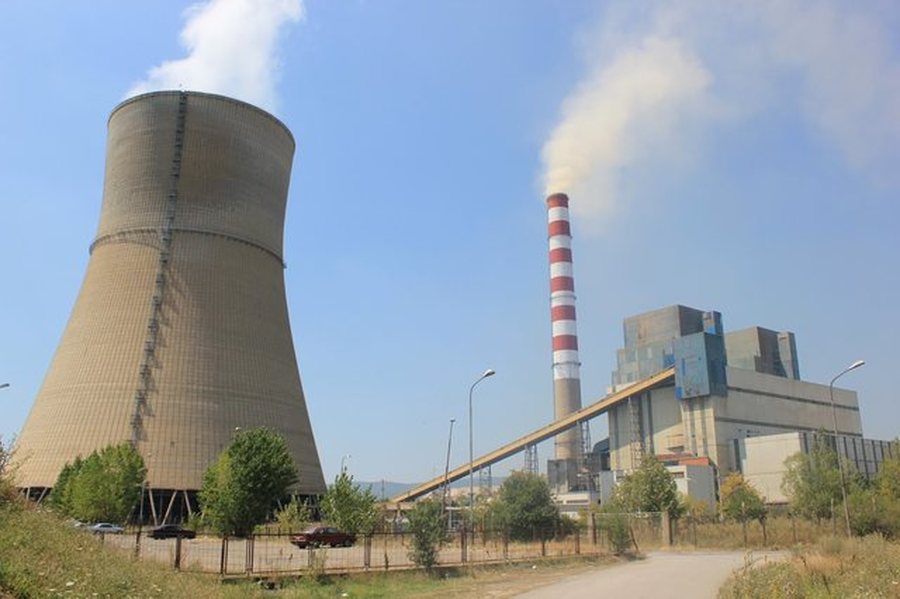
Two confidential reports reveal that KESH has left in lethargic sleep for 10 years an asset that could be repaired with a bill of 13 million euros. Since it was built twelve years ago, the Vlora Thermal Power Plant has burdened Albanians with a bill of around 200 million euros, without operating for a single day.
A sea storm that hit the coast of Vlora in January 2012 irreversibly damaged the cooling system at the Vlora power plant, just a few months after the works had been completed.
With an investment value of 130 million euros from three international institutions, the power plant would solve the issue of lack of energy in crisis situations or when there was no rain. It was also designed to reduce the purchase of energy abroad, but it never turned on the turbines.
"From the high degree of the wave, the water pipes took in air, which mixed with sand; this is because there was no auxiliary mole for extinguishing the waves", says one of the engineers who worked at the TEC at that time, as he remembers that the wind exceeded 80 km/h and more than five centimeters of rain fell.
Immediately after the incident, there were attempts to put it to work, but they failed, ruining an investment of millions of euros.
Kasem Mahmutaj, an engineer who was appointed General Director of the Vlora TPP two months after the defect, says that during the period he served in this work (March 2012-November 2013), they only did maintenance and conservation.
"Specialists have tried to put it into operation, but the pumps, which absorbed the sea water to bring it to the plant, were filled with dirt. Due to the waves and the strong wind, the tubes had risen up to the surface, as air was introduced into them along with the water. This large amount of air created the chamber effect", says Kasëm Mahmutaj, as he adds that the problem with this work went beyond the weather conditions.
Considered an investment of special importance, since it was built twelve years ago, the TEC of Vlora has burdened the Albanians with a bill that is approaching 200 million euros, not functioning for a single day.
Two confidential reports reveal that KESH has let an asset lie dormant for 10 years, which could be repaired with a bill of 13 million euros.
Currently, the Albanian Electric Power Corporation spends 3 million euros more than this value from its budget for maintenance, loan interests and personnel expenses, receiving degradation and losses in return.
How much does it cost to put Vlora's TEC into operation?
Planned to cover the needs in cases of crises or emergencies, the Vlora TEC was not put into operation even during the crisis that Albania experienced two years ago as a result of the Russia-Ukraine war.
Officially, the Albanian Electricity Corporation denies having a conclusion on the repair of the defect, which holds hostage the commissioning of the investment of 130 million euros in Triport.
"Several inspections and evaluations have been carried out, but a final and categorical conclusion has not been reached, whether the system is repairable or should be replaced by a new system", said KESH in a written response to Investigative Network Albania.
Contrary to KESH's response, INA Media had access to at least two detailed studies for the return to working condition of the Vlora gas power plant through TAP.
There are two confidential reports, made on behalf of the Ministry of Energy during the socialist government. One of the studies was done in June 2017 by the German consulting company Roland Berger.
In the analysis of the commercial model and future ideas for the Vlora thermal power plant, the German consultant calculates that the rehabilitative investment of the TEC costs 13 million euros (including the costs of conversion to gas supply).
Meanwhile, another confidential report, submitted to the World Bank by the British company Economic Consulting Associates, details a plan for the gasification of the Vlora TPP through TAP.
"10 million euros for the repair of the cooling system and 3 million euros for the cost of converting the gas asset. Also, gas supply infrastructure is required from the TAP exit point in Fier to Vlora", the report details.
Gjergj Simaku, energy expert, who has also held the post of deputy minister, says that Albania could recover this strategic work through TAP, but lost this opportunity.
"Specifically, it has been requested that the TAP gas pipeline has an exit point only for the TPP, but even for these exits for the TPP, there is a contract that was requested to be renewed by TAP, in order for Albania to buy gas , but Albania will not buy gas even for the next 10 years, because it did not sign this agreement when TAP was put into operation", explains Simaku.
The bill that had to be paid to put it into operation was much more favorable than what we currently have to pay for floating TPPs.
"We could pay about 15 million euros and make it work with gas, but we don't have gas, because the gas agreement was not made at the right time with TAP, and then in the crisis we found as an emergency solution the acquisition of two TPPs other years, floating - which for me was the most wrong thing that happened because of the staggering costs", - he further argues.
The conservation plan of the power plant at that time suggested that its commissioning after repairing the defect would only happen in a situation when Albania would face a crisis, but the year 2022 proved that this did not happen.
The TEC was not put into operation even at the height of an energy crisis, which faced the world with uncertainty and prices in the stratosphere due to the Russia-Ukraine war.
Shqipëria importoi 1.4 miliardë kWH energji elektrike, rreth 11% të konsumit, me një faturë totale prej 503 milionë eurosh. Çmimi mesatar, me të cilin u ble energjia për të përballuar krizën, ishte 305 euro/MWh, më i larti i shënuar ndonjëherë në histori.
“Termocentrali mund realizonte prodhim energjie me çmim dy herë më të lirë sesa çmimet e importit vjet”, – thotë Azmer Duleviç, inxhinier elektrik.
TEC-i i Vlorës është konceptuar për të prodhuar energji edhe nëpërmjet djegies së naftës, po ashtu dhe nëpërmjet avullit të krijuar nga djegia e naftës. Veç vënies në punë me gaz, inxhinier Klodian Gradeci, që më herët ka drejtuar ndërmarrje të rëndësishme të sektorit energjetik në vend, thotë se KESH-i mund ta shfrytëzonte TEC-in gjatë krizës së vitit 2022 edhe vetëm me naftë.
“TEC Vlora ka defekt në sistemin ftohës, që vë në punë turbinën me avull. Arsyeja, që deri në vitin 2021 nuk mund vihej në punë vetëm turbina me naftë, ishte kostoja shumë e lartë e prodhimit dhe mos-leverdia ekonomike”, – argumenton ai.
KESH shpjegon se, nëse do të ishte në punë, kostoja e prodhimit të energjisë me naftë shkon deri në 180 euro/MWh, teksa e importoi energjinë me thuajse dyfishin e këtij çmimi. Nga ana tjetër, prodhimi i energjisë me gaz natyror rezulton edhe më i lirë.
“Parashikimi i kostove me çmimet aktuale të gazit do të mund të ishte 101-112 Euro/MWh. Kësaj kostoje i shtohen kostot fikse, rreth 15 Euro/MWh”, – thotë KESH.
Këto kosto vlerësohen si konkurruese edhe nga Enti Rregullator i Energjisë.
“Tani ka mundësi që kostoja e prodhimit të jetë konkurruese në treg. Situatat kanë ndryshuar”, – pohon Petrit Ahmeti, kryetar i Entit Rregullator të Energjisë.”
Por, termocentrali nuk u vu në punë, as me naftë e as me gaz.
“Akoma më shqetësues është fakti se askush nuk mban përgjegjësi. Sot jemi përballë fakteve, që ka një dëm financiar në sektor dhe askush nuk mban përgjegjësi për këtë”, – thotë eksperti për çështje të energjisë, Azmer Duleviç.
Në mars të vitit 2021, qeveria shqiptare nënshkroi një marrëveshje me kompanitë amerikane ExxonMobil e Excelerate Energy për futjen e gazit të lëngshëm në Shqipëri, konvertimin e TEC-it të Vlorës me gaz, si dhe ndërtimin e një terminali të ri gazifikimi në Vlorë.
Amerikanët synonin që projekti të niste në fund të këtij vitit që lamë pas, por fakt është që ende jemi larg ndezjes së turbinave me gaz. Deri në gazifikimin e TEC-it aseti do të vijojë të shpenzojë miliona pará, sikurse ka bërë gjatë dekadës së fundit.
Për të përballuar krizën energjetike si pasojë e luftës Rusi-Ukrainë, autoritetet shqiptare zgjodhën, jo të kthejnë sytë nga TEC-i i Vlorës, por të marrin me qira dy TEC-e lundruese.
Sipas kontratës, shteti shqiptar do t’i paguajë rreth 68 milionë dollarë qira për dy vite kompanisë Excelerate Energy ose, thënë ndryshe, 94 mijë dollarë në ditë.
Kjo shifër është thuajse 5 herë më e lartë se vlera prej 13 milionë eurosh, që do të nevojiteshin për ta vënë në funksion TEC-in e Vlorës.
Pavarësisht se Shqipëria nuk është më në një situatë emergjence dhe anijet lundruese nuk i kanë ndezur asnjë ditë gjeneratorët, shteti shqiptar do të vijojë që ta paguajë të plotë kontratën, duke i rritur kostot në mënyrë artificiale.
Miliona për mirëmbajtje
I pozicionuar në Pyllin e Sodës, vetëm 6 kilometra nga qyteti i Vlorës, termocentrali nuk të lë përshtypjen e një objekti të lënë pas dore. I njohur ndryshe si TEC-i Vlorës, ai nisi ndërtimin në vitin 2007 dhe duhet të zgjidhte deficitin e Shqipërisë në energji elektrike, sidomos në jug të vendit, ku nuk ka prodhues të energjisë.
Sipas Korporatës Elektroenergjetike Shqiptare (KESH), që është pronarja e këtij aseti, nga viti 2012 deri në fund të vitit 2022 fatura e mirëmbajtjes së termocentralit arrin në 150 milionë lekë në vit (1.4 milionë euro në vit). E thënë ndryshe, në total janë shpenzuar rreth 16 milionë euro për mirëmbajtje, edhe pse nuk është vënë në punë. (Euro është llogaritur me kursin e aktual, 106 Lekë)
Por, këto janë vetëm një pjesë e faturës së kripur të humbjeve vjetore. Bilancet e termocentralit tregojnë se mbajtja jashtë funksioni po e rëndon buxhetin e KESH-it me humbje të larta, vjetore.
Ndërtimi i tij ka kushtuar 130 milionë euro, ndërkohë që prej dhjetë vitesh po merr dhjetëra milionë euro të tjera për t’u mirëmbajtur. Ai u financua nëpërmjet një kredie të butë nga BERZH, Banka Botërore dhe Banka Europiane e Investimeve.
Prej vitit 2012 e deri në bilancin e fundit, të dorëzuar në Qendrën Kombëtare të Biznesit për vitin 2021, shqiptarëve iu ka kushtuar 5,8 miliardë lekë apo 55 milionë euro mbajtja e TEC-it jashtë funksioni.
“Në këtë rast, Tatimet duhet të kishin filluar procedurat e falimentit, për sa kohë që, që prej vitit 2013, TEC Vlora rezulton me humbje, si dhe me vijueshmëri financiare, negative”, – thotë Eduard Gjokutaj, ekspert financiar nga organizata ALTAX.
Humbjet më të mëdha janë nga shpenzimet për amortizim dhe zhvlerësim të asetit, një tregues i qartë ky që investimi po shkon dëm dhe vënia në punë është emergjente.
TEC-i ka fuqi të instaluar 97 MW, me të cilat mund të prodhonte deri në 730,000 MWh në vit, sasi me të cilën mund të mbulohej më shumë se gjysma e deficitit vjetor të energjisë elektrike në vend. Në fund të vitit 2011, kur përfundoi, përmbante 7 për qind të fuqisë së instaluar në vend.
Një TEC për krizën e tejzgjatur
Gjatë gjithë viteve `90 dhe 2000 vendi përjetoi një krizë të vazhdueshme furnizimi me elektricitet. Prodhimi vendas u bë kapriçoz, pasi varej nga reshjet e shiut, rrjeti i shpërndarjes ishte i amortizuar, një pjesë e madhe e energjisë së konsumuar nuk paguhej. Kjo gjendje prodhonte ndërprerje të shpeshta të energjisë. Në atë situatë specialistët dhe politika po kërkonin me dëshpërim burime alternative energjie.
Një pjesë e prodhimit alternativ do të vinte nga hidrocentrale private, një pjesë tjetër do të vinte nga djegia.
"It was seen as a solution, since we were in crisis", says Zana Guxholli, who at that time was an adviser to the government on economic issues.
"Generators roared in every corner and the distribution system was very weak."
Planning began in the early 2000s and, despite delays, in 2007 an Italian engineering company, Tecnimont, which had international experience in energy sources, was contracted.
Tecnimont would build for KESH a so-called combined cycle TEC, since energy would be produced in two ways, which would be combined with each other: a turbine with a power of 67 MW would produce energy from burning oil and the other with The 30 MW would take the steam created by heating the water used to cool the oil turbine.
The water would be taken from the sea with a plastic fiber pipe 600 meters long and 150 cm in diameter; it would be de-sanded and de-salted in a storage facility at the power plant complex and cool the oil turbine during combustion. The generated steam would run the second turbine and condense it into water during that process. The water would be cooled and discharged into the sea through another equally long pipe, at a temperature that should not differ more than three degrees from the temperature of the sea, so as not to harm the living world in it - the fish .
Tecnimont started building it in 2007 and had it ready in October, two years later. But a storm at sea damaged the pipes that brought water to the plant and returned it to the sea and, according to a report, the company blamed subcontractors, a group of divers from Ortona, a town near Ancona, who specialized in underwater constructions.
Tecnimont took it upon himself to shut the thing down. It took another group of divers from Italy to repair the pipe and it lasted about a year longer, but shortly after handing it over, in October 2011, in January, another storm damaged the pipes and blew sand into the plant. There was something like 10 percent of the funds left unexploited.
At that moment the Albanian authorities and the company went into open war. KESH blocked the disbursement of the last installment, 10 percent of the contract value. Tecnimont denied responsibility and abandoned the works. The case is in international arbitration in The Hague.
"That TEC is now getting very old and is morally dead, which means that its control system has become expensive, but not insurmountable", concludes Gjergj Simaku, energy expert./Inamedia



Lini një Përgjigje