


 Shkruar nga Pamfleti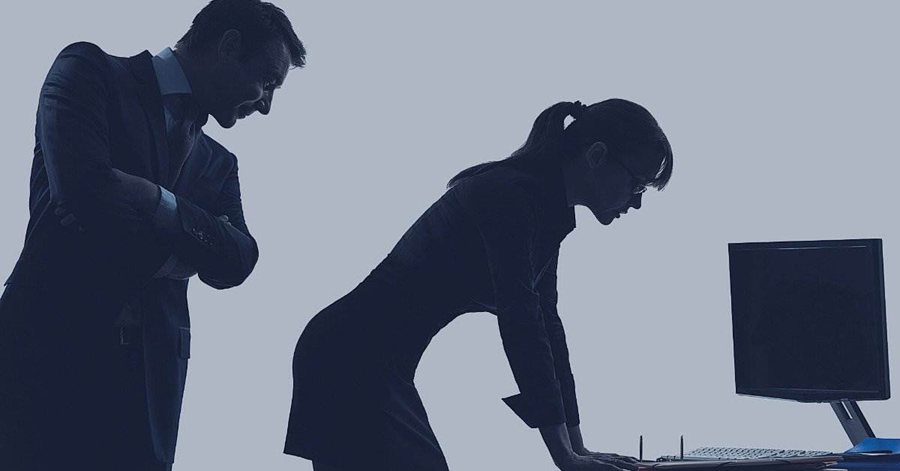
Reports of sexual harassment in the workplace in Albania are low, even though the phenomenon is widespread, according to a study by the organization Together for life in Albania. They are twice as high as in European countries in the last two years, according to the study. The Albanian parliament has ratified the Convention on Violence and Harassment of the International Labor Organization in February 2022, but representatives of the ruling majority say that the institutions should propose legal initiatives in accordance with this convention.
An important measure for the prevention of sexual harassment in the workplace is the increase in the punishment in the Criminal Code.
"From my personal experience, I had an unprofessional approach from the boss, which took the form of verbal harassment, with some compliments that were not simple. He wanted to express something more. As he came, he became more specific until one day he told me - today we will stay here at work together, drink a bottle of wine and celebrate - about something unrelated. I can't stay, I told him, I will continue. I felt very embarrassed," said Albana (not her real name), who decided to share her experience of sexual harassment at work with the Voice of America.
But Albana's experience is not an isolated case.
A recent study by the organization "Together for life", on sexual harassment in the workplace raises to a new level the discussions on this widespread and little denounced phenomenon in Albania. The study spans the public and private sectors and includes both women and men. According to the main findings, nearly 60% of respondents think that sexual harassment at work is a serious concern. 11% of them say that in the last two years they have experienced sexual harassment in the workplace, while 19% in their lifetime, of whom twice as many are women. Compared to European countries, the figure is twice as high in the last two years. One of the most disturbing findings of the study in question is related to the low level of denunciations.
"Despite the fact that the phenomenon is widespread, the denunciation is at low levels. 80% of employed persons, who have declared that they have been harassed at the workplace, have not denounced the phenomenon" Alma Lahe, project manager of the organization Together for life, said to the Voice of America.
The Commissioner for Protection from Discrimination, says that the denunciations in the institution he leads for this phenomenon are almost zero, while he lists several reasons.
"Some of the fears related to sexual harassment refer to strong prejudices in society. It must be understood that women and girls find it difficult to expose such behavior due to prejudice and stigmatization starting from the family, society, work, the area where they live or the fear of being exposed in digital networks of the situation" - he said for Voice of America Robert Gajda, Commissioner for Protection from Discrimination.
Even Albana (not her real name) in her confession for the Voice of America, said that she had encountered this prejudice, when she had shared the concern of sexual harassment at work with the people close to her.
"They prejudice you by saying "if you gave him a sign, he misunderstood your behavior. Especially when you are a young girl and they tell you that maybe you provoked her, you dressed provocatively. There are many things and it depends on who you are in front of to understand you" continued Albana (not real name).
The study of "Together for life", when it comes to sexual harassment against boys and men at work, highlights the fact that the problem is horizontal. They are bullied by colleagues or peers, unlike girls who are mostly bullied by their superiors.
In the Penal Code, sexual harassment at work is not specified, but since 2013, as a whole, they constitute a criminal offense and are punishable by imprisonment from 1 to 7 years. The Voice of America, analyzing the data of the General Prosecutor's Office, found that this criminal offense in the last 5 years, carries the highest weight of the group of 12 offenses qualified as sexual crimes, both in terms of the number of criminal proceedings and defendants, as well and for him that of those convicted by the court.
But sexual harassment is not just an Albanian phenomenon. A few years ago, they instigated a worldwide movement, in social networks that started in the USA, under the hashtag "Me Too". The campaign came in the wake of the Hollywood producer Harvey Weinstein's sexual harassment and assault scandal.
The International Labor Organization (ILO) after this campaign in 2019, adopted a Convention on Violence and Harassment which in February 2022 was also ratified in the Albanian parliament. The Deputy Speaker of the Assembly Ermonela Felaj told the Voice of America that this important document forces the institutions to review the legislation in order to strengthen the protection of employees in the workplace. Sexual harassment, as she says, can even cause irreparable psychological, emotional or economic damage. Ms. Felaj added that technological changes should also be taken into consideration.
“Ne kemi thënë që duhet të ndryshojnë një sërë rregullash në botën e punës që lidhen me sigurinë dhe shëndetin në vendin e punës. Legjislacioni ka nevojë të rishikohet. Fatmirësisht ne i kemi shtuar një vepër Kodit Penal në 2013, siç është ngacmimi seksual. Në tërësi formulimi është i mirë se të lejon të ushtrosh ndjekje penale, por të them të drejtën unë nuk do isha shumë dakort me masën e dënimit të propozuar në atë kohë, sepse kanë kaluar mbi dhjetë vjet. Fenomeni dhe për shkak të ndryshimeve të forta demokratike por veçanërisht të teknologjisë, bëhet i vështirë për t’u gjurmuar por dhe i lehtë për t’u realizuar. Të rritet dënimi sipas mënyrës që manifestohet, moshës, shpeshtësisë së ngacmimeve apo shkallës së dëmit. Janë të gjitha këto momente që do e pasuronin kuptimin e veprës dhe do i jepnin mundësi edhe policisë, prokurorisë dhe gjykatës t’i shohin me një sy tjetër dhe të kishin një ndjeshmëri më të lartë për trajtimin e kësaj vepre”- u shpreh për Zërin e Amerikës Ermonela Felaj, Nënkryetare e Kuvendit të Shqipërisë.
Nënkryetarja e Kuvendit Ermonela Felaj nxit komsionet paramentare të vënë në lëvizje institucionet të propozojnë ndryshime ligjore në përputhje me konventen e Organizatës Ndërkombëtare të Punës, të ratifikuar në Kuvend.
Nga ana tjetër përfaqësues të organizatës TFL mendojnë se në Kodin Penal, duhet specifikuar vepra e ngacmimeve seksuale në punë, pasi aktualisht përcaktimi është i përgjithshëm.
Ashpërsimi i dënimit shihet si një masë parandaluese pasi dëmi vlerësohet i lartë edhe nga studimi i kryer nga kjo organizatë. Viktimat thuajse në të gjitha rastet largohen nga puna, pasi ai kthehet në një vend armiqësor, ashtu siç konfirmoi për Zërin e Amerikës edhe Albana, viktimë e ngacmimeve seksuale nga shefi i saj.
“Ika vetë pas 6 muajsh. Ai ndryshoi sjellje, filloi të sillej keq, në mënyrë shumë harbute. Kapej me gjëra që nuk kishin sens. Madje dhe kolegëve u ra në sy dhe më thoshin -po ai çfarë ka me ty. Ishte një shenjë hakmarrje ndaj refuzimit tim”- pohoi Albana (emër jo i vërtetë).
Pedagogia e së drejtës në Universitetin Luigj Gurakuqi në Shkodër, Irma Baraku, mendon se fenomeni i ngacmimeve seksuale në vendin e punës, duhet parë në një rrafsh më të gjerë, që e tejkalon ligjin.
“Kemi shumë për të bërë në komunitet. Një masë afatshkurtër duhet të jenë fushatat e ndërgjegjësimit lidhur me ngacmimin seksual në vendin e punës. Nga ana tjetër kemi nevojë për masa më afatgjata që kërkon edukimin e brezave të rinj. Është e rëndësishme qe ne t’i mësojmë herët vajzat dhe djemtë për të kuptuar se çfarë është ngacmimi seksual. Për të kuptuar se çfarë do të thotë që dikujt nuk i pëlqen një sjellje që mund të ketë konotacion të ngacmimit seksual”- u shpreh Irma Baraku, Pedagoge e së Drejtës në Universitetin e Shkodrës.
Sexual harassment in the workplace, of which girls and women are mostly victims, is one of the common forms of violation of rights at work. The victims are attacked, unprotected, prejudiced, in a short time after the attack they are also unemployed, but also psychologically and emotionally injured. Until recently it was considered massively shameful to share such a concern with anyone, and victims were re-victimized if this happened. But today things have started to change and some taboos have been broken, however representatives of civil society and parliament think that this is not enough and that there is still a lot of work to be done on safety in the workplace. /VOA


Lini një Përgjigje