


 Shkruar nga Pamfleti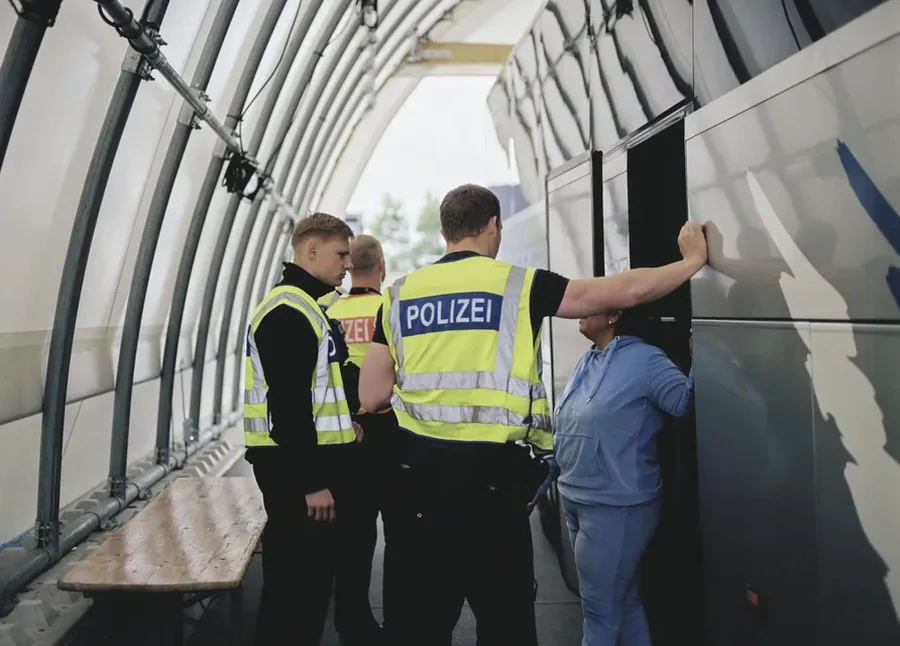
The policewoman raises her 'red and white' baton mainly in front of vehicles with license plates from Turkey, Albania and Serbia, as well as trucks, vans and buses. She looks at the wrinkled faces of construction workers from Southern Europe, truck drivers and fathers driving family vans...
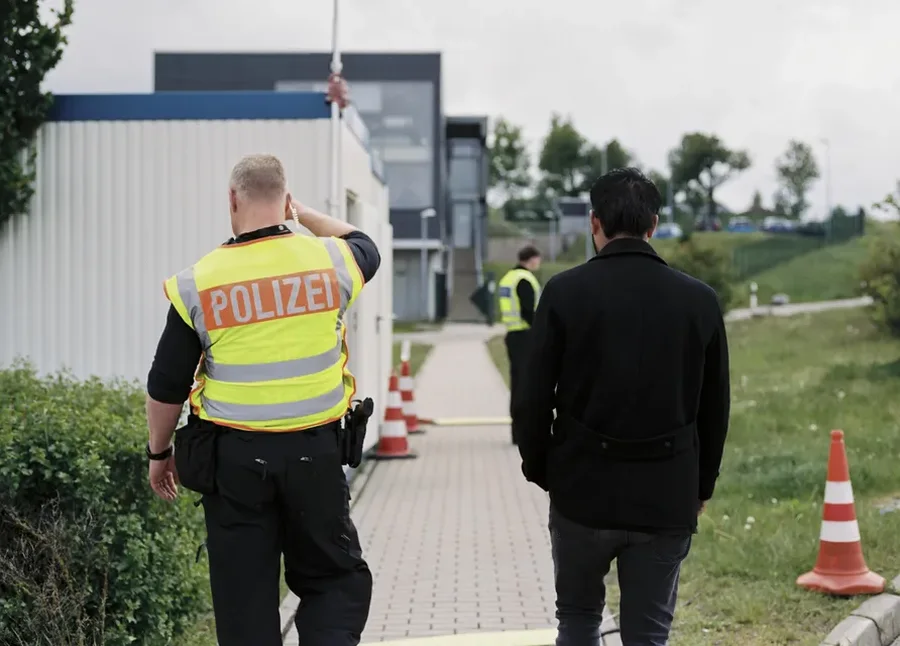
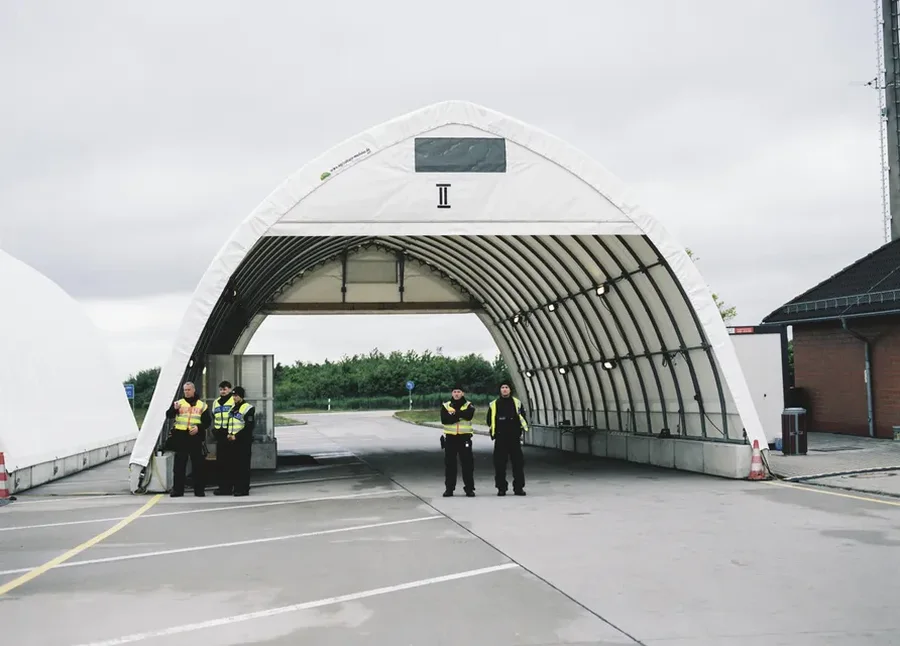
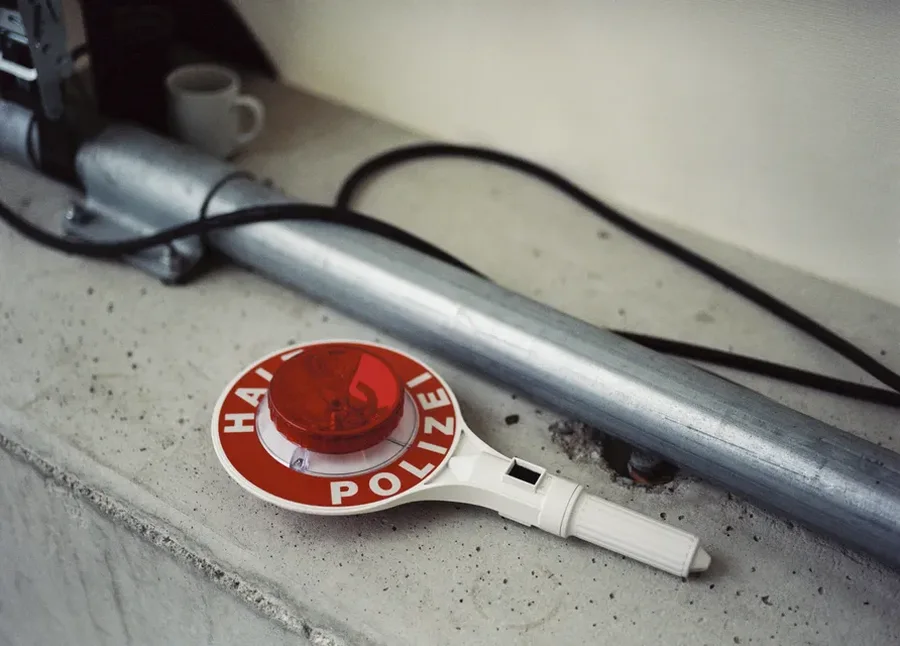
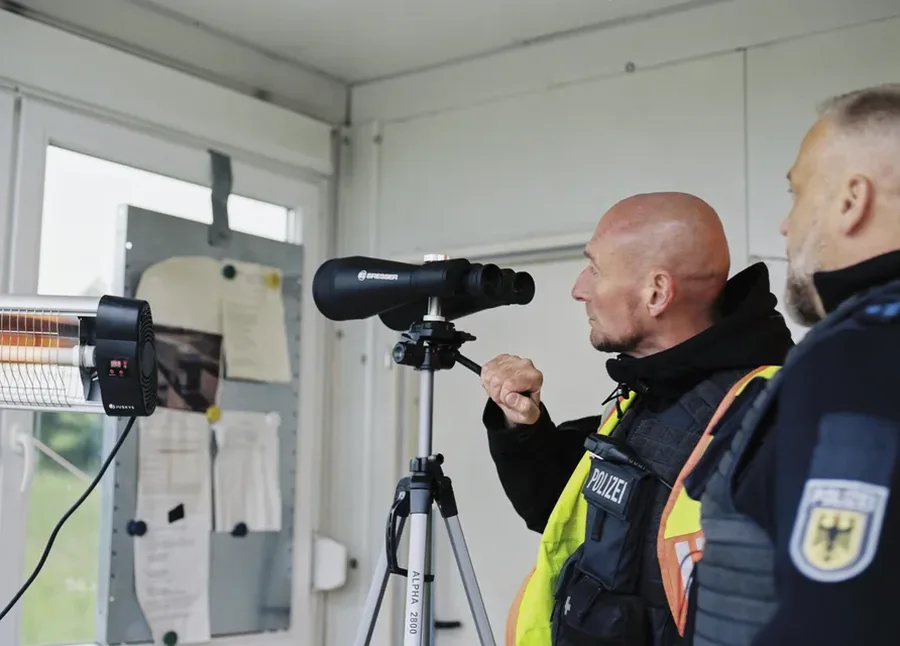
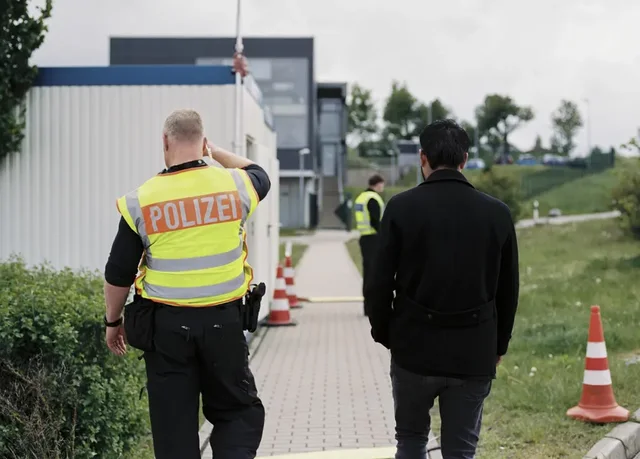
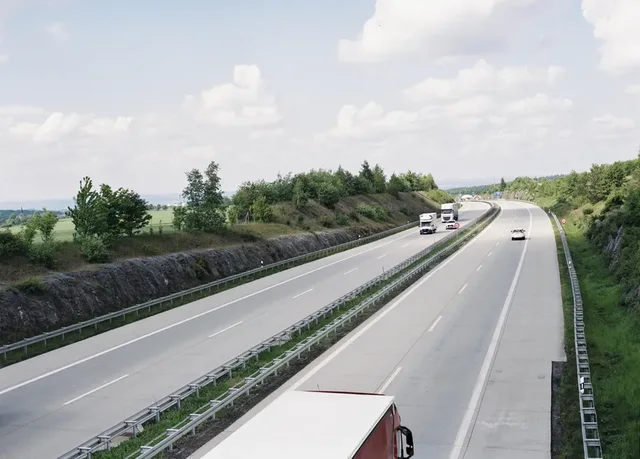
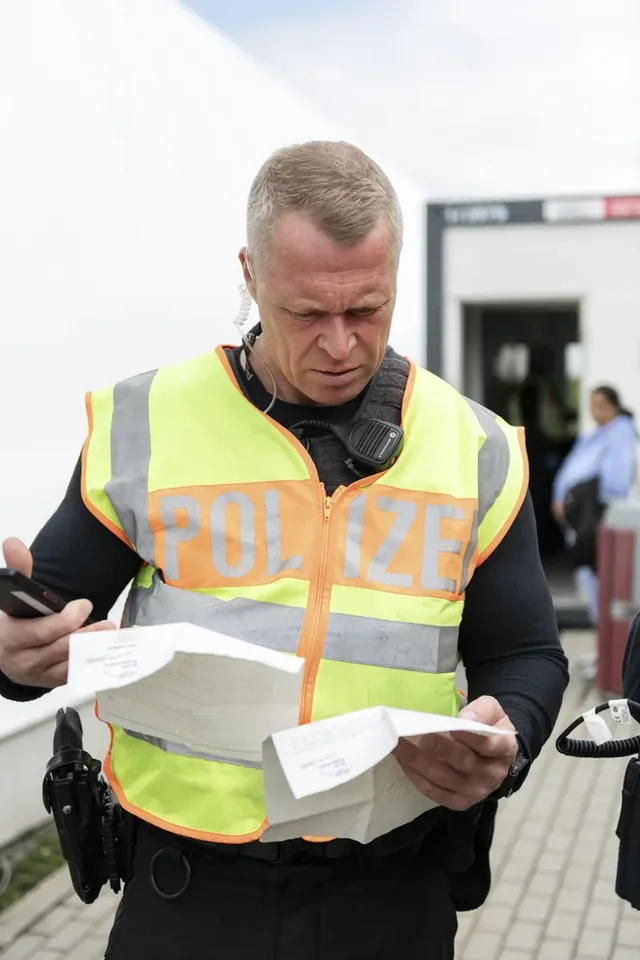
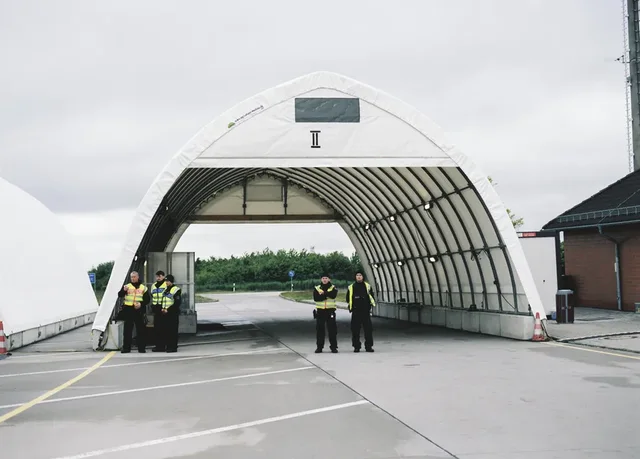
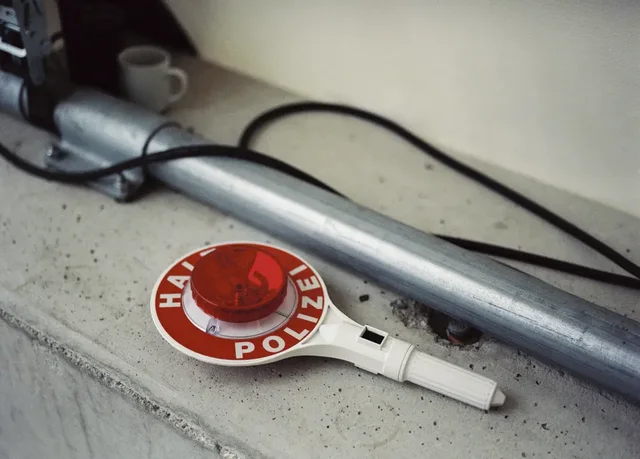
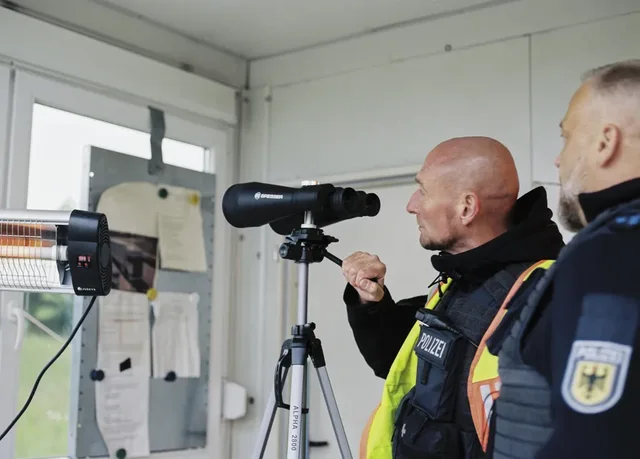
A rainy morning in mid-May, at the former Heidenholz highway rest area, 4 kilometers from the Czech border. Under the watchful eyes of federal police officers in bright yellow vests, trucks, buses, vans and cars are slowly making their way towards Germany. One officer deciphers license plates with binoculars and examines passengers through the windshields. Another uniformed officer stops selected vehicles, waving a red and white baton at them - in police jargon, a "stop stick."
"Where are you going? What is your destination? What's inside?" she asks, testing the passengers' reactions. Then she leads the vehicles one by one into two giant tented halls, where two inspection teams check passports, luggage and cargo. Cameras monitor the procedures.
So far, everything has been going smoothly – ever since Chancellor Friedrich Merz promised a “migration turnaround” and Federal Interior Minister Dobrindt tightened controls at the German federal border starting on May 8th, in order to fulfill the CDU/CSU’s election promise: to curb irregular migration and – as agreed in the coalition agreement between the CDU/CSU and the FDP – to reject asylum seekers in accordance with German asylum law. And in doing so, he overturned European law.
The policewoman raises her red and white baton, mostly in front of vehicles with license plates from Turkey, Albania and Serbia, as well as trucks, vans and buses. She looks at the wrinkled faces of construction workers from Southern Europe, truck drivers and fathers driving family vans.
An SUV with Berlin license plates is also forced to stop, carrying two young immigrants with short beards. All Flixbuses are also inspected. But no refugees will be 'fished' that day.
A young man in his 20s from Mexico, studying in Paris, no longer understands the world. He wanted to use his last few weeks in Europe to take a trip to Berlin. Now he is trapped in a container, guarded by a police officer. In the neighboring country, officials are checking whether he can be deported back to the Czech Republic. His tour bus has long since left.
A worried couple from Belgrade said they were planning to visit their cancer-stricken relative in Berlin. During passport control, the police computer showed an entry ban. They too had to get off the bus and unload their luggage.
A young Bulgarian, strong and with an icy gaze, fights his tension with a cigarette. The police have listed him as a person with numerous criminal convictions: robbery, drug possession and activity in criminal gangs. He is only allowed to go to the toilet with a police escort.
An Albanian man driving a van had long overstayed his visa-free stay in Germany. He tried to hide this by using multiple passports.
No one applied for asylum that day, nor for the rest of the week, not even at the neighboring crossings in the Saxon mountain region, where only a few cars pass through on average per hour. People were turned back only for visa violations.
The border police force has been increased to 11,000 officers since May, and Dobrindt aims to send 3,000 more. While the number of rejections rose by 45 percent to 739 cases in the first week of the new government, only 32 of them were asylum seekers. At the same time, more than 1,500 people applied for asylum at the Federal Migration Office - people who most likely escaped the border guards' checks.
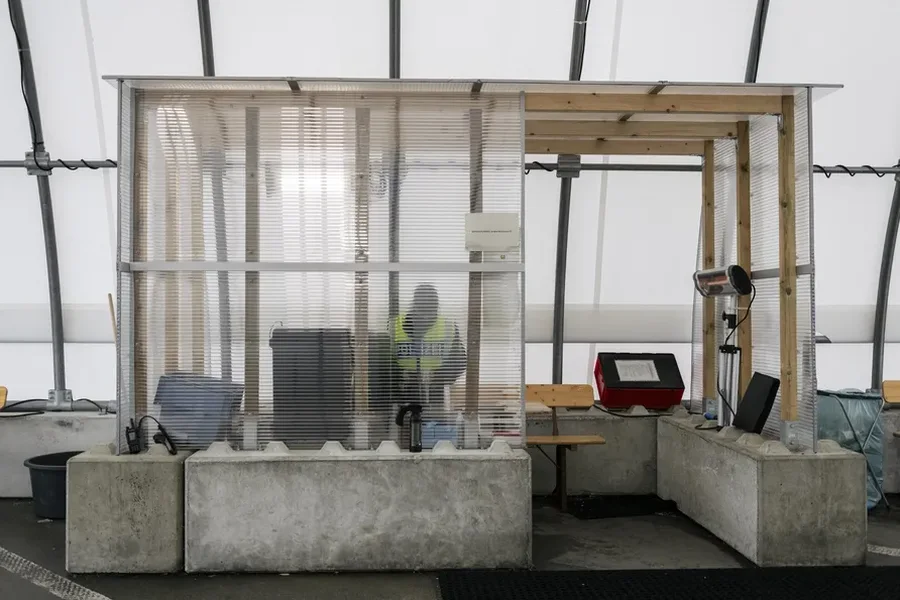
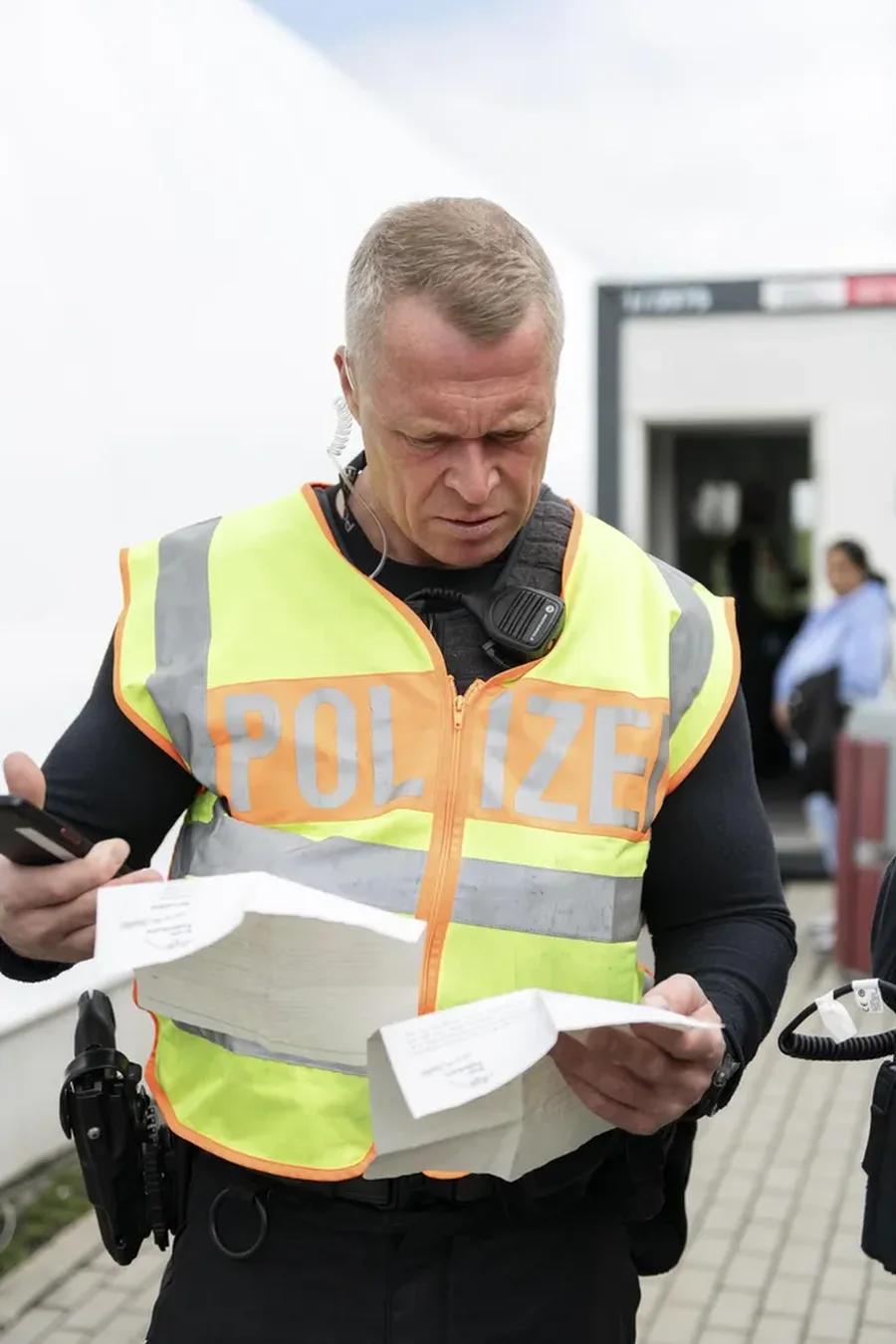
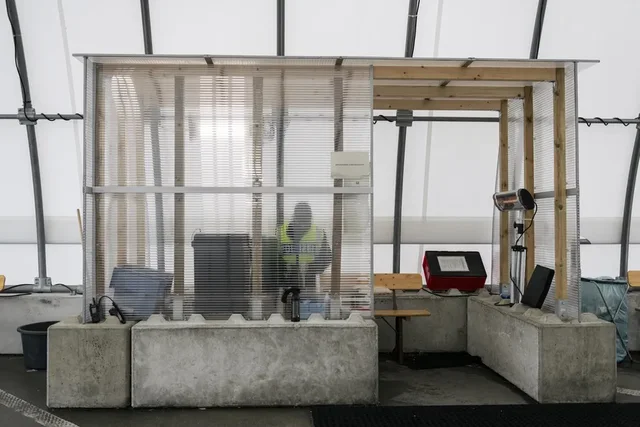
David Bresinski, a 46-year-old with a straight, athletic build, is one of the police squad leaders. As squad leader, he leads a handful of young border police officers. In one of two control rooms, they move quickly around the vehicles, scanning the identity documents of bus passengers with their work phones, inspecting the cargo of vans and checking the seals of trucks. A cold, damp wind blows through the room. In a semi-open, transparent plastic cabin, there is a heater. A shift lasts 12 hours, and after seven days of work, they take a few days off.
Bresinski describes how officers cope with this stress. "A good hotel is important," he says. The police stay in a hotel in Pirna, 20 kilometers from Dresden, with a fitness area, and the food is excellent. Twelve hours of work, seven hours of sleep, which doesn't leave much free time. "To clear the mind, exercise or a sauna are important," says Bresinski. "And if someone is suffering because an operation didn't go so well, it's good to talk to colleagues."
Bisedat me disa roje kufitare zbulojnë se atmosfera është e ulët. "Normalisht do të kishim pasur më shumë kohë pushim pas vendosjes sonë këtu", thotë Bresinski, i cili flet hapur. "Por tani po largohemi vetëm pas pesë ditësh." Shpesh, ata e marrin vesh se ku do të shkojnë vetëm tre ditë më parë. Më pas, skuadra e tij duhet të udhëtojë për në kufirin polak, në Forst në Brandenburg, për shtatë ditë të tjera. "Shumë familje nuk mund ta përballojnë këtë", thotë Bresinski. "Fëmijëve u mungojnë baballarët e tyre, dhe baballarëve u mungojnë kontaktet shoqërore, të cilat zakonisht bëhen në fundjavë."
Dhe e gjithë kjo për 32 refuzime?
Si oficer policie federale, a nuk të bën kjo të ndihesh sikur po të përdor Dobrindt? Bresinski ngurron, duke mos dashur të jetë i pabesë ndaj eprorit të tij. "Nuk do ta thoja kaq drejtpërdrejt, por në fakt, po."
Por pse rojet kufitare kapin vetëm raste të vogla dhe kriminelë, por asnjë azilkërkues, edhe pse po kryejnë kontrolle më të rrepta se në 10 vitet e fundit?
"Kontrabandistët kanë marrë pushime", është një shpjegim i policisë. Për të siguruar biznesin e tyre multi-miliardë dollarësh në kufirin me Poloninë, Austrinë dhe Republikën Çeke, kriminelët tani po i mbajnë emigrantët në Sllovaki ose gjetkë përgjatë rrugëve mesdhetare ose ballkanike derisa të lehtësohet presioni gjerman i kontrollit.
Askush nuk dëshiron ta konfirmojë zyrtarisht, por politikanët federalë e pranojnë: shumica e njerëzve që raportojnë në strehimoret e refugjatëve janë ata që kanë kaluar Kufirin e Gjelbër - të zhvendosur nga kontrabandistët që tani e kryejnë biznesin e tyre nëpërmjet shtigjeve pyjore dhe rrugëve dytësore, larg rrugëve kryesore.
"Nëse kontrollet shtrëngohen, veçanërisht në Gjermaninë lindore, ne do t'i shtyjmë njerëzit në zonën Freilassing në Bavari ose në veri", thotë udhëheqësi i trupave Bresinski.
Ministria Federale e Brendshme po flet për "lëvizje evazive".
Kontrollet kanë edhe çmimin e tyre në nivel ndërkombëtar. Qeveritë në Poloni, Republikën Çeke dhe Zvicër nuk janë shumë të kënaqura nga mbingarkesa kufitare dhe refuzimet; Dobrindt udhëtoi për në Pragë të premten për të qetësuar ujërat. Marrëveshja e koalicionit midis Bashkimit Kristian Demokrat (CDU) dhe Partisë Social Demokrate (SPD) thotë se ata synojnë të refuzojnë azilkërkuesit "në koordinim" me vendet fqinje.
Se si funksionon kjo demonstrohet në Berggießhübel ndaj një shqiptari që udhëton ne një furgon. Pasaporta e tij e re ka një vulë nga kontrolli kufitar serbo-hungarez, që shënon hyrjen e tij në BE. Kur një police në sallën e tendave në Berggießhübel skanon pasaportën e tij, një sinjal shfaqet në ekranin e kompjuterit në kontejnerin e zyrës ngjitur: burri ishte kontrolluar tashmë në Kempten, Bavari, në fillim të janarit - që do të thotë se ai ka qenë në Gjermani për shumë më tepër kohë se 90 ditët që i lejohet të qëndrojë pa vizë.
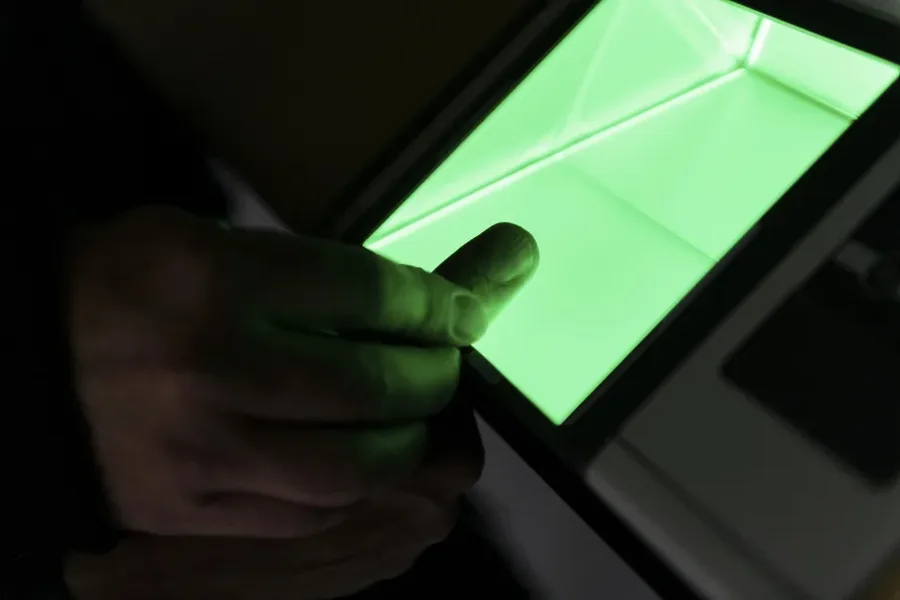
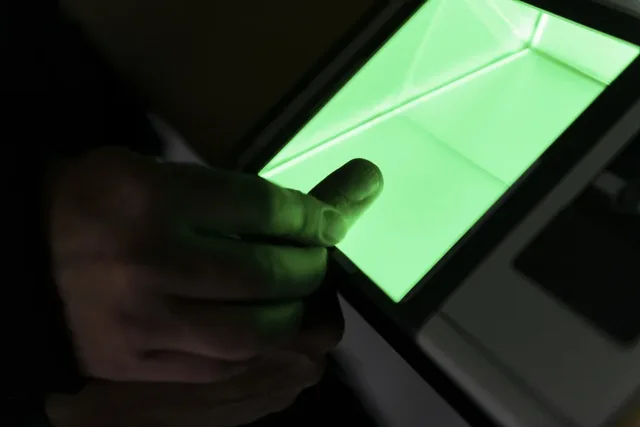
Policia më pas skanon gamën e plotë të mjeteve që ka: në zonën e zyrës së pikës së kontrollit, ata i skanojnë majat e gishtave, kërkojnë një përkthyes, e fotografojnë, pastaj e kontrollojnë dhe e marrin në pyetje. Emri i tij përfshihet në bazat e të dhënave ndërkombëtare të policisë. Në një dhomë paraburgimi të zbrazët me pllaka gri, ai duhet të presë në një krevat marinari prej druri derisa oficerët të kenë plotësuar dokumentet e nevojshme. Ai duhet të kthehet në Republikën Çeke.
Oficerët i dërgojnë një email dygjuhësh vendit fqinj. Ata priten në Qendrën e Përbashkët - një ndërtesë funksionale me tre kate e vendosur menjëherë pas pikës kufitare Hellendorf, një rrugë anësore dymbëdhjetë kilometra larg . Atje, oficerët e policisë gjermane dhe çeke punojnë së bashku nën një çati. Në këtë mënyrë, pala çeke informohet herët, duke ulur tensionin diplomatik.
Meqenëse shqiptari deklaroi gjatë marrjes në pyetje se kishte qenë së fundmi në Berlin - pra, në thelb duke hyrë ilegalisht në Gjermani - ai nuk u dërgua thjesht përsëri në vendin fqinj, por iu dorëzua direkt policisë çeke. Në zhargonin e policisë, ky është një deportim, që u ndodh edhe të gjithë atyre që hyjnë ilegalisht në vend që kapen nga mbikëqyrja e fshehtë në zonën kufitare. Kështu, në orën 4:15 të pasdites së asaj pasdite, gjashtë orë pasi u kap shqiptari, një minibus blu dhe i bardhë kaloi kufirin në Hellendorf dhe u ndal përpara Qendrës së Përbashkët. Policia federale e çoi burrin përmes korridorit të hyrjes në një dhomë të quajtur "dhoma e transferimit". Pastaj oficerët çekë morën kontrollin.
Studenti i ri meksikan duhet të largohet gjithashtu nga Gjermania, por është i frustruar nga politika e tolerancës zero e Policisë Federale. Ai kthehet mbrapsht sepse viza e tij studentore e BE-së ka skaduar. Ai besonte se do të kishte të drejtë për 90 ditë hyrje pa vizë në Gjermani. Por Policia Federale thotë se ai gabohet. Gjermanët gjithashtu dërgojnë një email përtej kufirit në Qendrën e Përbashkët. Një automjet policie e çon burrin përtej autostradës në qytetin më të afërt çek. Prej andej, ai duhet të gjejë vetë rrugën për t'u kthyer në Francë.
Megjithatë, çiftit serb i lejohet të vazhdojë udhëtimin. Ndalimi i hyrjes së tyre ishte pjesë e një deportimi të vitit 2015. Bresinski thotë se ai kishte skaduar vite më parë, por ende nuk ishte fshirë nga kompjuterët e policisë. Pas gjysmë ore, të dy hipin përsëri në autobusin e tyre, duke u drejtuar për në Berlin, ku supozohet se i presin të afërmit e tyre.
No matter how many border police officers the interior minister sends, their impact is likely to be limited. The number of migrants applying for asylum has been falling for years anyway. That was the assessment made by Dobrindt’s predecessor, Nancy Faeser (SPD), in the final days of her term in office. Until 2023 – the start of border controls in Germany – police in the border region were arresting double-digit numbers of refugees every day, with information coming in by phone from the public, taxi drivers and shopkeepers. Police caught the smugglers in what were sometimes wild chases; in July 2023, a minibus crashed down a hill, one of the seven passengers suffered serious injuries and the speedometer stopped at 114 km/h. Up to 140 people were crammed into the detention centres at the time, says police spokeswoman Yvette Biesold.
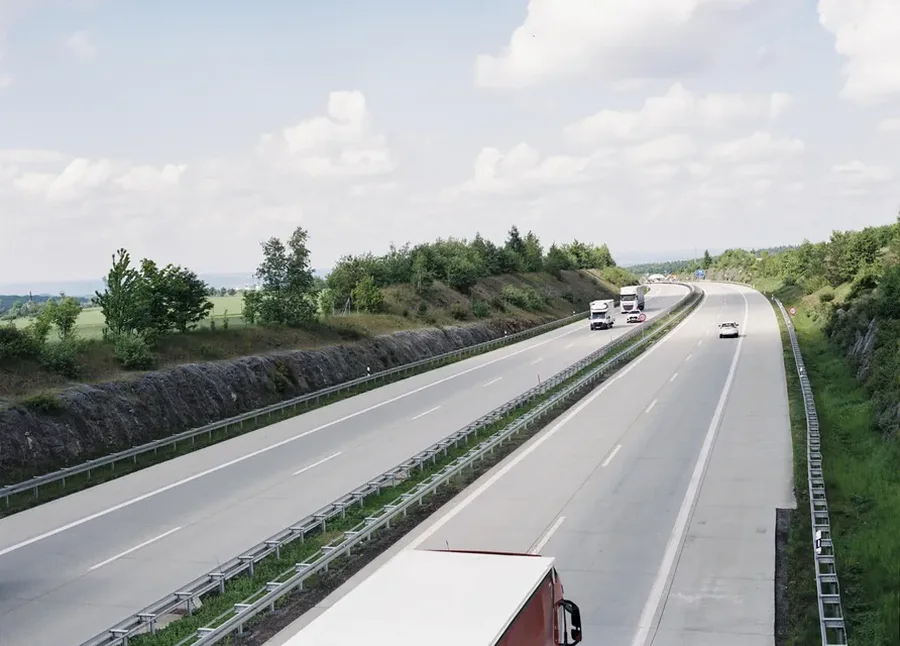
By midday, the traffic jam in front of the Berggießhübel checkpoint has grown to 5 kilometers, stretching all the way to the border. The police see the traffic jam in the tunnel as a threat. And since the Germans are eager to avoid problems with the Czech side, Bresinski and his men temporarily suspend border controls. The red and white barriers on the highway are removed and traffic flows unhindered into Germany.
For more than three hours, until the traffic disappears. /Adapted from Pamphlet by Zeit.de/






Lini një Përgjigje