


 Shkruar nga Pamfleti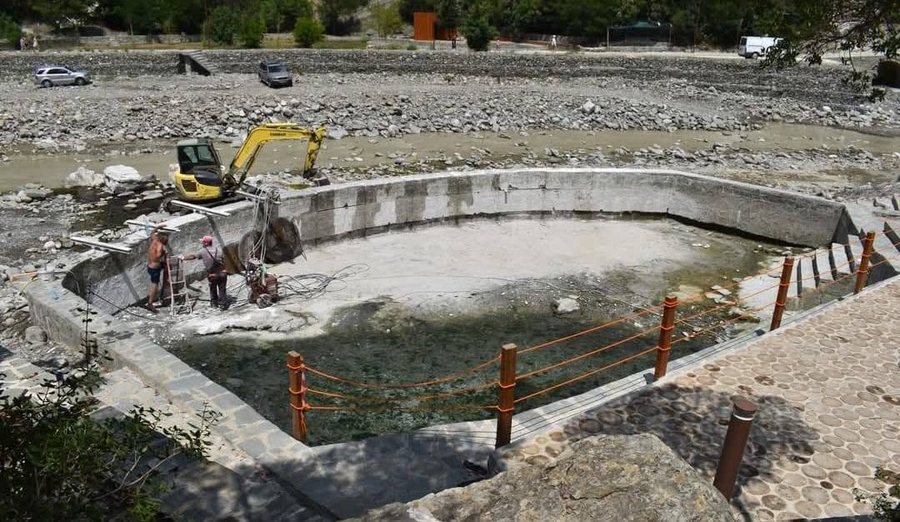
The construction of concrete walls and interventions in the natural structure of the spas, according to residents and experts in the area, may have changed the flow of the thermal springs.
One of the most popular natural gems of Albanian tourism is facing a paradoxical situation. Just a few months after the completion of a restoration worth around 2 million euros, the Benja Baths in Përmet have started to lose exactly what made them famous: their thermal water.
On the eve of the season with the largest influx of tourists, some of the bathtubs are unable to maintain normal water levels, while the problem has also appeared in one of the most frequented spots of the natural complex.
According to sources from the area, in addition to the seasonal decrease in flows, the situation is suspected to have worsened after interventions carried out during the restoration. The construction of concrete walls and interventions in the natural structure of the spas, according to residents and experts in the area, may have changed the flow of the thermal springs.
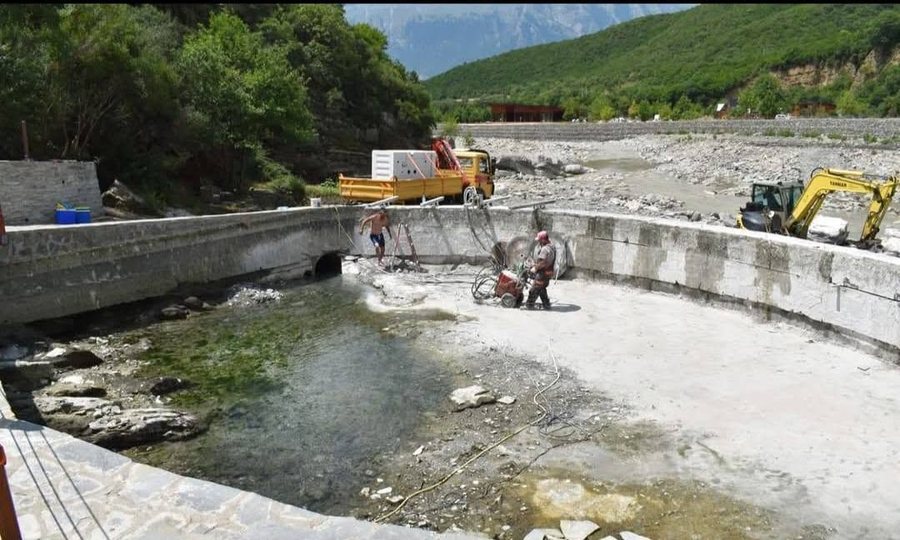
The redevelopment project was financed by the Albanian Development Fund. But what was supposed to be an investment to promote tourism is now raising serious questions about the quality of the works and the impact they have had on a unique natural monument.
Criticism has also increased on social media, where the intervention has been described as an "environmental disaster." According to them, the use of concrete and the alteration of the natural structure of the spas has damaged an ecosystem that had functioned for centuries.
Several questions now remain that require answers from the Ministry of Tourism and Environment, the Albanian Development Fund, and the responsible institutions:
Has a hydrogeological study been carried out before the intervention?
Who certified that the works would not affect the thermal springs?
Will it be investigated whether the restoration has damaged the natural functioning of the spas?
As tourists arrive daily in Benja, the investment that aimed to turn the area into a model attraction risks being remembered for the opposite: a multi-million euro restoration that may have damaged the very natural asset it was intended to promote.




Lini një Përgjigje