


 Shkruar nga Francesco Bertolino & Milena Gabanelli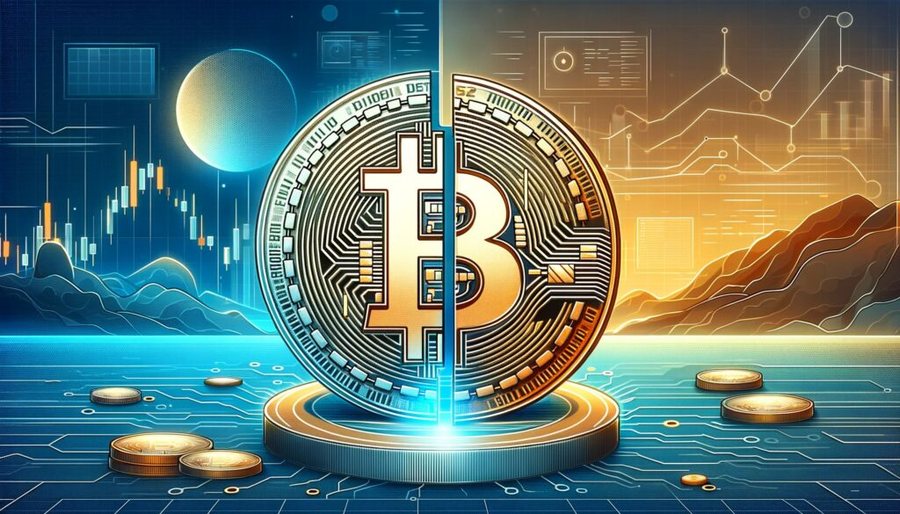
2 days before entering the White House, the president launched his own cryptocurrency: $Trump.
“I have built an electronic payment system that is completely intermediary-free, eliminating the need for guarantors.” With this brief statement made on October 31, 2008, Satoshi Nakamoto christened Bitcoin, a virtual currency with no issuing country or central bank.
In their place was the blockchain, or a public digital ledger of transactions, immutable and updated by the community of users, which requires a lot of computing power and just as much energy. It has been over 16 years since Bitcoin appeared, and the identity of its creator still remains a mystery.
All we know about him or them is that they have always had 1 million Bitcoins, which at the current exchange rate correspond to 84 billion euros. Meanwhile, Satoshi's invention has moved away from the original utopia of an anarchic currency, turning into a kind of "digital gold": rare because the maximum production quantity determined by the algorithm is 21 million; and desired precisely because it is scarce and with the belief that its increasing value is destined to continue.
For this reason, it has also attracted large investors such as Blackrock and Intesa Sanpaolo. But we know that it is also widely used in the world of money laundering. Over time, endless imitations of Bitcoin have proliferated, mostly without any value other than what is recognized by buyers for arbitrary and unstable reasons.
So we are talking about a market worth over 3,300 billion dollars, or 4 times more than the total value of the Italian stock exchange. Some of these digital assets are based on their own original blockchain. Others rely on those of others to reduce development time and costs.
Sites like Coinfactory, for example, allow you to create a “digital token” in a few minutes and for a cost of around 80 euros. Over the past year, over 2 million new “tokens” have appeared, with purposes that are not always clear: 40.7 percent of these coins are listed on crypto exchanges, but are in fact dormant, with zero trading in the last 30 days.
Why? Sometimes, these projects are just for fun or research purposes. Because let’s not forget that cryptocurrencies and the underlying blockchain technology are also bringing innovation. In other cases, dormant coins have been or will be used for fraudulent purposes, known as “wash trading” and “pump and dump” schemes.
Në rastin e parë, një grup njerëzish ose një ushtri robotësh shkëmbejnë vazhdimisht një aktiv dixhital për të rritur artificialisht vlerën e tij dhe më pas ia shesin një blerësi që nuk dyshon. Ndërsa në të dytin, zotëruesit e një kriptomonedhe ose më shpesh krijuesit e saj, i zmadhojnë perspektivat e saj në mediat sociale, duke nxitur rritjen e çmimeve së fundi duke likuiduar portofolet e tyre në treg, dhe arkëtuar fitime të mëdha në kurriz të investitorëve të fundit që besuan në të.
Kompania kërkimore Chainalysis, vlerëson se skemat “pompo dhe shkarko”, përbënin afërsisht 3.6 për qind të të gjitha kriptomonedhave të krijuara vitin e kaluar. Kjo është e barabartë më shumë se 74.000 mashtrime të mundshme. Një rast i njohur është ai i Dogecoin, një kriptomonedhë e krijuar në vitin 2013 si një memecoin e mbështetur nga Elon Musk.
Gjatë viteve 2019-2021, bosi i Teslas publikoi një seri postimesh për të lavdëruar Dogecoin: “Do të jetë monedha e ardhshme e planetit tonë. E bleva nj֝ë për djalin tim”! Në 2 vjet çmimi i saj u rrit me 36.000 për qind. Por më 8 maj 2021, i ftuar në emisionin humoristike Saturday Night Live, Musk tha se Dogecoin është “një mashtrim”.
Kaq mjaftoi për të shkaktuar një valë shitjesh, që në vetëm pak muaj sollën rënien me 90 për qind të vlerës së kriptomonedhës. Një grup investitorësh, ka nisur një padi kolektive kundër tij për manipulim të tregut, duke kërkuar dëmshpërblim prej 258 miliardë dollarësh.
Padia u rrëzua nga një gjykatë civile në Nju Jork. “Deklaratat e Musk mbi kriptomonedhën ishin aspirative dhe bombastike, prandaj asnjë investitor i arsyeshëm nuk duhej t’u kishte besuar”, theksoi gjyqtari në vendimin e tij. Nga ana tjetër, SHBA nuk ka ende një rregullore specifike për Bitcoin & co.
Ndaj çdo masë represive, u besohet autoriteteve individuale si Komisioni i Shkëmbimit të Sigurisë dhe Departamenti i Drejtësisë, të cilët vitet e fundit kanë ndëshkuar influencuesit dhe kompanitë. Por ato nuk kanë gjasa të aktivizohen nën administratën e re, duke pasur parasysh se industria e kriptove ka mbështetur me miliona donacione fushatën zgjedhore të Trump. Presidenti i ri, që në vitin 2021 e kishte quajtur Bitcoin një mashtrim, tani ka ndryshuar mendje.
Në shtator 2024, Trump dhe familja e tij themeluan World Liberty Financial, një platformë që synon të “demokratizojë qasjen në sektorin financiar, dhe të forcojë statusin global të dollarit”. Kompania ka prodhuar tokenin e saj Wlfi, dhe në pak muaj kanë shitur 24 miliardë copë, me një çmim që rritet deri në 5 cent secila, duk gjeneruar mbi gjysmë miliardë fitim.
Më pas, 2 ditë para se të hynte në Shtëpinë e Bardhë, presidenti hodhi në treg kriptomonedhën e tij: $Trump. Duke filluar me një çmim 18 cent, memecoin u rrit në 75 dollarë, përpara se të binte në 15 dollarë, duke shkaktuar 2.2 miliardë dollarë humbje për 885.000 investitorë. Por jo të gjithë humbën.
For example, an anonymous trader placed a million-dollar bet on $Trump just 2 minutes after its announcement. Two days later, he sold nearly 6 million tokens for a profit of $109 million. A very suspicious timing. However, the owner always wins.
The Trump Organization holds $800 million in the $Trump cryptocurrency and will release it to the market over the next 3 years. The company earns a commission on every $Trump trade. According to Chainalysis calculations, $349.6 million has already arrived in the Trump Organization’s wallet in just over a month.
The new US administration's plan aims to make America the center of global digital finance, including the creation of a national Bitcoin reserve./ Adapted from "Pamphlet", from "Corriere della Sera"




Lini një Përgjigje