


 Shkruar nga Pamfleti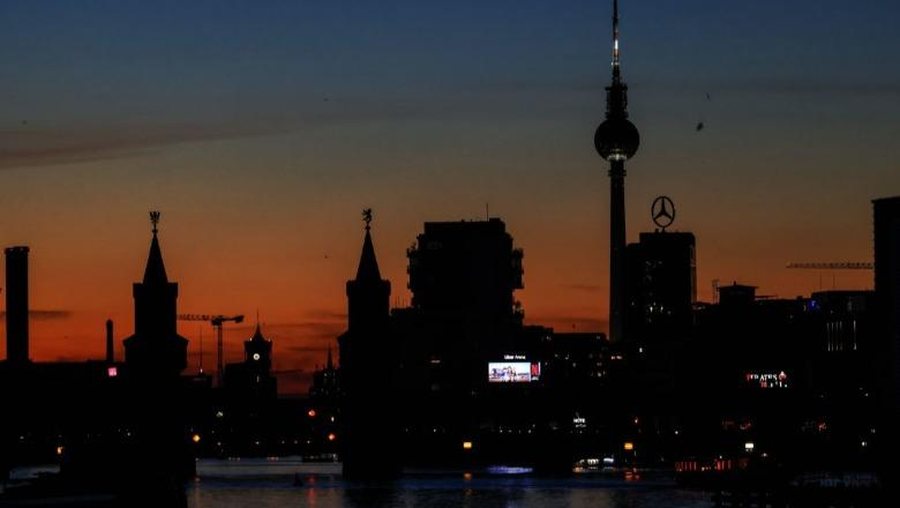
45,000 German households and over 2,000 businesses were left without electricity and heating on the first weekend of 2026, after an arson attack on Berlin's power grid.
Responsibility for the attack was claimed by the radical left-wing group Vulkangruppe, which in a lengthy text distributed online stated that the aim was to "take away the energy of the ruling classes."
The group justified the act as an "action in the public interest," linking it to the climate crisis, the use of fossil fuels, and the high energy consumption of artificial intelligence data centers.
The attack took place in the early hours of Saturday near a bridge over the Teltow Canal, southwest of the German capital, where several high-voltage cables near the Lichterfelde power plant were damaged.
In the statement, the activists claim that technology and big companies are creating an increasingly controlled society and that society is heading towards a future where “people will sit in front of bright screens while dying of hunger and thirst.” They apologized to low-income residents affected by the power outage, but added that “sorry is limited” to the city’s wealthier areas.
German authorities have launched an investigation into terrorism and sabotage of critical infrastructure. Berlin Mayor Kai Wegner described the attack as “politically motivated” and warned that such acts directly endanger the lives of citizens, especially the elderly and hospital patients.
The power outage has caused numerous problems: mobile networks were temporarily down, police used loudspeakers to inform citizens, rail lines were disrupted and many schools risk postponing the return of students after the holidays. Repairs are progressing with difficulty due to cold weather and snow, while some areas could remain without power until January 8.
The attack has raised concerns about the security of Germany's energy infrastructure. Initially, there was talk of foreign sabotage, mainly from Russia, but the fact that the radical group itself took responsibility for the attack means that the energy grid has become a new target for ideological extremism.







Lini një Përgjigje