


 Shkruar nga Pamfleti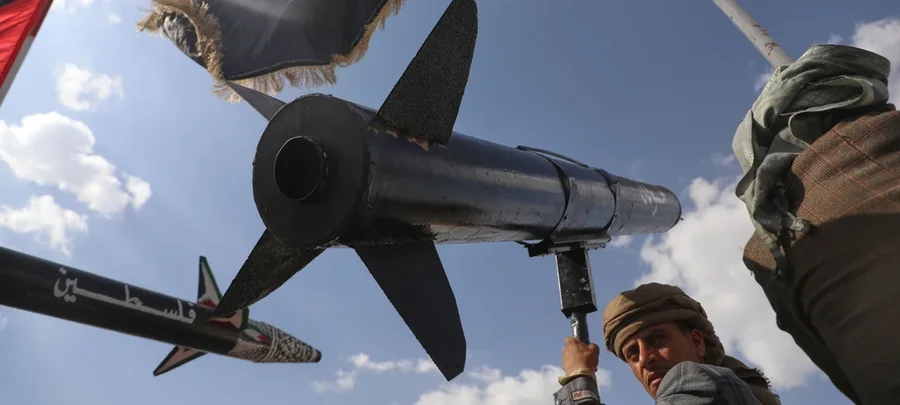
Houthi rebels threaten attacks in the Red Sea. They have the capacity to block another strategic hub of world trade…
The Iranian threat continues to loom in the background: if the conflict with Israel and the United States escalates again, another strategically important strait could face closure. This is the Bab al-Mandabi ("Gate of Tears"), which connects the Indian Ocean with the Red Sea.
The enemy should not draw "wrong assessments" from the current situation, declared Ali Akbar Velayati, the Iranian regime's senior security adviser. He put the American and Israeli leaderships before a choice: either end what he called "madness" or face "orderly control" of both the Strait of Hormuz and the Bab al-Mandab.
The area is not quiet yet. On Wednesday morning, the British Merchant Shipping Agency (UKMTO) announced that people in a small craft were involved in a shootout with security forces on a cargo ship. Ships sailing near the Bab al-Mandab were advised to exercise increased caution.
This strait is also an important hub for global trade. An estimated 12 to 15 percent of world trade and about 9 percent of global oil shipping passes through the “Gate of Tears,” which is only about 30 kilometers wide at its narrowest point.
In the event of a blockade, ships would be forced to use the much longer and more expensive route around the Cape of Good Hope. The oil exports of the Gulf Arab states would be particularly badly affected, as they are already suffering from Iranian blockades of the Strait of Hormuz. Saudi Arabia, for example, has begun diverting its oil exports through a pipeline that ends in the Red Sea.
Unlike Hormuz, a blockade of Bab al-Mandab would not be enforced directly by Iranian forces, but by Tehran's allies in Yemen, the Houthi rebels.
Following the latest escalation of tensions, the Houthis have declared a "complete naval blockade" against Israel. As part of this, they may also attack merchant ships that, in their assessment, have any connection to Israel or that are sailing towards Israeli ports.
But even if the Houthis were to attack only selected ships, the economic damage would be considerable. Insurance costs for shipping companies would increase, and many operators might avoid transiting the Red Sea and the Suez Canal for security reasons alone.
Tehran has armed the Houthis for a naval blockade
Gjatë luftës në Gaza, Huthit i shkaktuan dëme të konsiderueshme tregtisë botërore me sulmet e tyre ndaj lundrimit civil në Detin e Kuq. Ata i paraqitën këto sulme si mbështetje për organizatën palestineze Hamas pas sulmit të 7 tetorit 2023 ndaj Izraelit.
As misioni detar i udhëhequr nga SHBA-ja, “Prosperity Guardian”, dhe as sulmet ajrore amerikane nuk arritën t’i ndalonin. Vetëm në vitin 2025, pas bombardimeve intensive amerikane dhe një armëpushimi, lëvizja jemenase pezulloi sulmet e saj.
Ndërkohë, rebelët janë armatosur më tej nga sponsorët e tyre iranianë. Sipas një raporti të publikuar në maj nga organizata Conflict Armament Research, Huthit janë pajisur me dy lloje moderne raketash kundër anijeve, të prodhimit iranian.
Raporti gjithashtu identifikon komponentë për dronë nënujorë ose silurë. Organizata, e cila bazohet në dërgesa të konfiskuara për Huthit gjatë vitit të kaluar, vlerëson se rebelët janë furnizuar me armë që mbulojnë “një gamë të gjerë kapacitetesh kërcënuese”.
“Irani po përpiqet të sigurojë qasje në Detin e Kuq që nga viti 2007”, thotë Farea al-Muslimi, ekspert jemenas pranë institutit Chatham House.
Sipas tij, Jemeni ishte një objektiv i favorshëm për Teheranin, edhe për shkak të afërsisë me rivalin rajonal të Iranit, Arabinë Saudite. Përmes Huthive, të cilët kontrollojnë zona të rëndësishme bregdetare dhe i kanë fortifikuar ato, regjimi iranian ka fituar një mjet të rëndësishëm ndikimi.
“Ata kanë mjetet dhe vullnetin për të zhvilluar një fushatë afatgjatë terrori me raketa në Detin e Kuq”, thotë al-Muslimi.
“Aktivitet i shtuar iranian në Sana”
Megjithatë, si shumë vëzhgues të tjerë, al-Muslimi dyshon se Huthit mund të përdoren aq lehtë për interesat e Teheranit.
Megjithëse grupi është pjesë e deklaruar e “Boshtit të Rezistencës”, aleancës së udhëhequr nga Irani që synon shkatërrimin e Izraelit dhe largimin e SHBA-së nga rajoni, ai konsiderohet më i pavarur nga Teherani sesa, për shembull, Hezbollahu libanez.
“Huthit ndjekin llogaritë e tyre strategjike”, thotë al-Muslimi.
Sipas një burimi jemenas me qasje në informacionet e inteligjencës, Irani ka shtuar përpjekjet për të rritur ndikimin mbi Huthit, të cilët kontrollojnë pjesë të mëdha të Jemenit verior dhe kryeqytetin Sana.
“Irani po punon për t’i lidhur më fort Huthit me interesat e veta”, tha burimi. “Prej javësh dhe muajsh është vërejtur një aktivitet më i madh i Gardës Revolucionare iraniane në Sana.”
Megjithatë, vëzhguesit nuk e shohin përshkallëzimin e qëndrimit të Huthive ndaj Izraelit si pasojë kryesore të ndikimit iranian.
“Rritja e presionit në Detin e Kuq është gjithashtu në interesin e vetë Huthive”, thotë Mohammed al-Basha nga kompania analitike Basha Report.
Ai i referohet negociatave të vështira me Arabinë Saudite. Mbretëria saudite udhëheq një koalicion kundër Huthive, i cili nuk arriti t’i dëbojë ata nga Sana pas pushtimit të kryeqytetit në vitin 2015.
Negociatat me Arabinë Saudite kanë ngecur
Today, the Saudi leadership is desperately seeking a way out of the conflict that preserves its prestige. In the event of an agreement, the Houthis could benefit from Saudi funds that they urgently need.
But negotiations to end the armed conflict are currently stalled. One of the main points of disagreement is control over Sanaa's international airport, which the Houthis want to see open.
"The Houthis may think they have an interest in increasing pressure in the Red Sea and, indirectly, on Saudi Arabia," says al-Basha.
He sees another factor: the Houthis' strong ties to Hezbollah, which is facing great pressure from the Israeli military.
Iran has demanded a halt to attacks on Shiite militias and has taken military action against Israel following Israeli airstrikes south of Beirut. In this context, the Houthis struck Israel again for the first time in months.
"Loyalty to Hezbollah is greater than to the Iranian regime," says Farea al-Muslimi.
According to him, Hezbollah has been helping the Houthis since the early stages of their development, when they were still a rebel movement in impoverished northern Yemen. Hezbollah experts contributed to building the group's arsenal of missiles and drones.
Al-Muslimi describes this as a long process of military, political, and institutional building supported by Hezbollah.
The result, he says, is an actor with greater ambitions than control of northern Yemen.
“Threats to shipping in the Red Sea serve the Houthis as an instrument for power projection,” he says. “They are trying to present themselves as an influential actor whose role extends beyond Yemen’s borders and across the region.” /Adapted from FAZ /





Lini një Përgjigje