


 Shkruar nga Malcom Kyeyune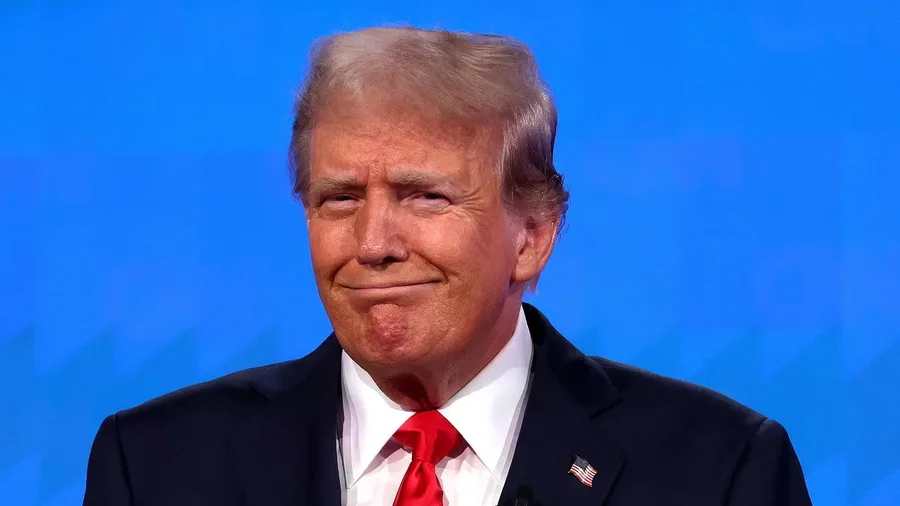
Trump's first term was characterized by constant and very bitter infighting over who would have the president's attention. The result was continued chaos, accompanied by many dismissals, resignations and cabinet changes.
Donald Trump won the November 5 election in a landslide, becoming the first president to serve two non-consecutive terms since Grover Cleveland in the late 19th century. Polls again underestimated how popular Trump still is with the American electorate, despite all the setbacks, gaffes and scandals.
In one sense, the size of Trump's political victory seems much larger than that of 2016. He has survived various attempts to prosecute him. Defeated every challenger within the Republican Party, securing the official nomination.
Democrats are crushed by the very bad result in these elections, but also by the very chaotic and delegitimizing leadership they did to the country in the last 4 years. Not only did they not oppose Joe Biden's decision to run again despite his advanced age, but their belated political coup against him in the summer was messy and disorganized.
Moreover, it happened too late and embarrassed everyone involved. It is certain that a period of accusations and blaming will begin within the Democratic Party, which may last a long time. After returning to the White House, Trump has managed to quell any signs of rebellion in the party.
But even in the face of what on the surface looks like a number of very favorable political conditions, expectations for the incoming Trump administration are mixed at best. As he will once again face an enemy that is never humbled or disorganized by the election results: the "deep state" and the civil service.
Trump's first term was marred both by infighting within his own administration (such as the conflict with John Bolton) and between his own administration and the generals, professionals and bureaucrats who keep the core security establishment afloat, both inside and outside. America.
In many cases, Trump lost the battles. Thus, he wanted an earlier US withdrawal from Syria, but was thwarted and dictated to by military officials, who in theory only had to carry out the orders they received from the president. In relation to this apparatus, Trump has no clear advantage today compared to 2016.
With a more reflective politician in mind, it might be tempting to think that the experience of being quietly sabotaged by the people you depend on would make Trump not just older but wiser. However, Trump's highly chaotic style of handling personnel matters continued even during his temporary exile at Mar-a-Lago.
Controversy surrounding the Heritage Foundation's so-called "Project 2025" (whose most important stated goal is to prepare the new Trump administration for a real confrontation with the "deep state"), forced Trump to denounce it in repeated, which led to the resignation of the director of "Project 2025", Paul Dans.
The Machiavellian view of Trump's treatment of loyalists is that it was a marketing ploy to win the election. Of course, some of the ideas of "Project 2025" were a little too vain. By being publicly denounced, they actually made a valuable scapegoat for the greater cause.
While plans and preparations for a battle with the "deep state" can be saved and implemented at the right time. But another point of view claims that short-term political considerations greatly empowered one faction of problematic people, which disempowered another faction. Thus, Trump's first term was characterized by constant and very bitter infighting over who would have the president's attention. The result was continued chaos, accompanied by many dismissals, resignations and cabinet changes.
For a while, a figure like Steve Bannon was very close to Trump. But the mutual distaste for Trump's son-in-law, Jared Kushner, is already a public issue (mentioned by Kushner himself in his book). In the end Kushner won that showdown and Bannon was ousted.
The fact that Kushner, a figure loathed by much of Trump and Bannon's base of supporters, is tolerated or even respected was of little consequence to the outcome. The real apparent factor in the fate of Project 2025 is not so much external pressure (including Democratic political ads) as having a decisive influence within Trump's world. The latter remains very fragmented. Any excuse, any reason to be busy is enough for a group of courtiers to try to defend themselves and attack the rivals, who wait patiently outside Trump's office. Palace intrigues, not the machinations of generals like Mark Milley, the then-chairman of the Army's Joint Chiefs of Staff, who now considers Trump a "fascist to the core," dominated the period between 2016 and 2021.
And by all indications, none of that has changed much. At worst - and this is very likely - the situation has only worsened as Trump has aged, while the serviles around him have had a few years to hone their manipulative skills.
Po si është situata në raport me “shtetin e thellë”? Në fakt, gjërat këtu kanë ndryshuar, edhe pse është e vështirë të thuhet nëse Trump do të përfitojë apo jo nga këto zhvillime. Kur hyri për herë të parë në Zyrën Ovale në vitin 2016, ai shkaktoi një lloj reagimi autoimun nga sistemi politik amerikan.
Trump ishte një i huaj, ndaj aparati shtetëror amerikan dhe burokracia federale - ashtu si çdo organizëm i shëndetshëm - kërkuan mjete të ndryshme për të rivendosur homeostazën. Por kjo gjë ngjau në vitin 2016. Në vitin 2024, perandoria amerikane është shumë e sëmurë, madje deri në pikën e vdekjes së ngadalë.
Defiçiti federal ka dalë tërësisht jashtë kontrollit. Borxhi kryesor i qeverisë amerikane ka arritur në thuajse 36 trilion dollarë (sa për krahasim borxhi kombëtar i Rusisë është vetëm 288 miliardë dollarë, dhe në reduktim të vazhdueshëm). Pagesat e interesit për këtë borxh, janë rritur përtej kostos totale vjetore të ushtrisë amerikane.
Metafora e një sëmundjeje në trupin politik amerikan, mund të zgjerohet më tej. Kur trupi i një njeriu preket nga kanceri, qelizat e shëndetshme dhe funksionale, zëvendësohen ngadalë nga qelizat malinje. Megjithatë, asnjë qenie njerëzore nuk ka arritur ndonjëherë në pikën, ku 100 për qind e trupit përbëhet nga qelizat kancerogjene.
Sepse trupi ndalon së funksionuari (vdes) shumë kohë përpara këtij momenti. Po ashtu, asnjë qeveri njerëzore apo sistem politik, nuk do të arrijë kurrë në pikën ku 100 për qind e të ardhurave të saj të shpenzohen për shlyerjen e borxhit. Sistemi politik shembet gjithmonë shumë kohë përpara.
Në vitin 2022, më pak se 10 për qind e të ardhurave federale të SHBA-së duhej të shpenzoheshin për shlyerjen e borxhit. Sot, kjo shifër është rreth 23 për qind, dhe po rritet me shpejtësi. Ndërkaq po amortizohen edhe krahët e tjerë të shtetit, teksa fuqia perandorake amerikane është në rënie të fortë në rajone si Lindja e Mesme.
Nën sfondin e kësaj krize akute, ngrihet pyetja nëse “shteti i thellë” do ta luftojë apo jo Donald Trumpin, njëlloj si në vitin 2016. Në atë kohë, “sistemi imunitar” federal bëri një përpjekje të ndershme për të dëbuar ndërhyrësin e huaj. Sot, ai mund të jetë shumë i dobësuar nga kriza për të bërë shumë përpjekje kundër presidentit të ri.
Por një “shtet i thellë” i dobët, nuk nënkupton domosdoshmërisht një aparat që është i lehtë për t’u kontrolluar nga Trump apo dikush tjetër. Mund të nënkuptojë edhe një gjendje që është në thelb e pakontrollueshme. Superfuqitë e dikurshme, kanë shfaqur simptoma të ngjashme.
Në vitin 1789, në pragun e revolucionit të saj katastrofik, Franca vuante nga probleme ekonomike dhe ushtarake të mëdha, që e çuan në pragun e falimentimit. Por kjo për shkak të një borxhi të jashtëzakonshëm prej 36 trilion dollarësh, apo për një defiçit buxhetor federal vjetor që i afrohet 2 trilion dollarëve.
And it didn't even go bankrupt while trying to maintain 11 nuclear aircraft carriers, military command headquarters in every corner of the globe (as well as outer space), or nearly 800 military bases around the world. But even though France's problems were on a smaller scale than America's, France was plunged first into stagnation, then turmoil, and then revolution. Because to the extent that there had actually been a "deep state" in its primitive and absolutist form, that state had ceased to function. France could not go forward, could not go back, could not continue to remain as it was, but neither could it reform itself.
President-elect Donald Trump is today in a much more difficult situation than Louis XVI once was. Like Trump, Louis XVI was badly damaged by the infighting among those closest to him. His brothers, his wife, his advisers, his ministers: all vied for who would have the king's primary attention.
And as one faction defeated the other, royal politics continued to fluctuate wildly, until it collapsed. Will Trump - or those around him - recognize this danger and come together, putting aside their special interests or ambitions to reform the civil service, in order to stabilize an imperial system that is now rapidly emerging out of control?
The irony of any kind of war that Trump may declare on the "deep state" in the US, may be that in the end the systems and institutions he wants to change will have stopped working properly./ Adapted "Pamphlet" from "New Statesman"




Lini një Përgjigje