


 Shkruar nga Pamfleti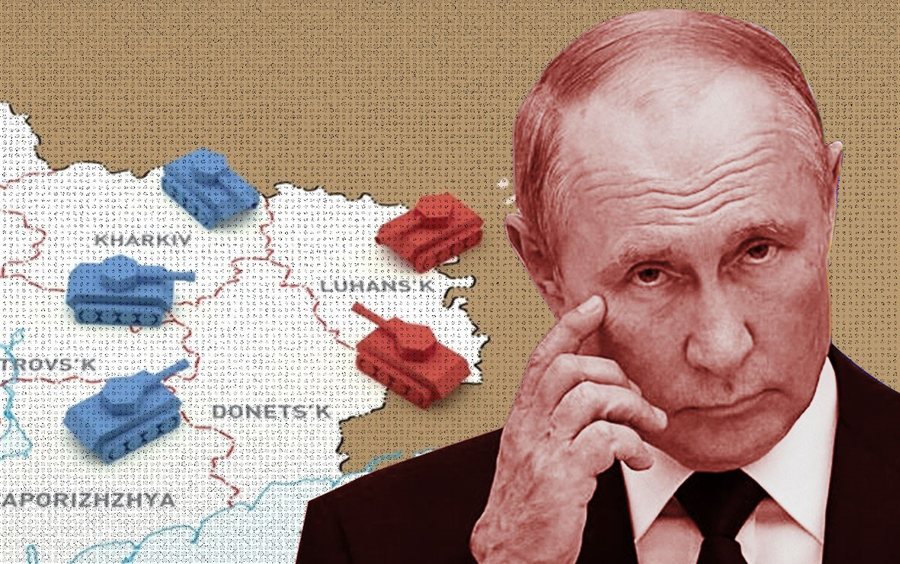
The "coup" could ultimately hit Moldova, say 007 agents. But the Atlantic Alliance has vast military capabilities and Moscow would be careful not to provoke a direct conflict.
Could Russia attack NATO and European Union countries? Among Italian intelligence agencies, there is reportedly considerable skepticism about the real possibility of military action by Vladimir Putin. While the "Readiness" prepares to launch Operation Sentinel and the European Commissioner for Defense, Andrius Kubilius, says that Putin is preparing an invasion "within three to four years", La Stampa reports today what was said on the day of the presentation of the new magazine of the intelligence service, "Gnosis"; it is unlikely that Moscow will provoke a direct conflict against the West.
Russia’s power and aggressiveness are not to be underestimated, but it is another thing to think that a world war is imminent. It is said that Russia’s military might is there for all to see. And Ukraine, despite massive American and European military and economic aid, has effectively contained the Russians, who are now engaged in a grueling war. The bottom line is that NATO has far greater military capabilities than Kiev and that Moscow would be wary of provoking a direct conflict.
"The Russians could at best attempt a coup, as they did in Crimea in 2014," is the quote from La Stampa. And even the drone strikes on Poland should be seen more as a provocation or a test of NATO's ability to react, than as a test of war. The coup could potentially hit Moldova, a border area where the Russians consider themselves masters and where, instead, local institutions look to the West. But nothing more. The implication is that Moscow knows that the Atlantic Alliance's umbrella has now been extended to the Baltic states and there is no more joking. Hitting one of these countries, and the same goes for the Scandinavians and even more so for the Poles, would be "real war".
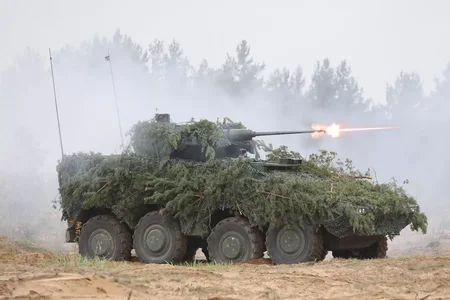
Although Putin is recruiting a massive army, some say up to a million soldiers, modern wars are fought with firepower, but above all with technology, with full arsenals and with a thriving economy. All these things are lacking in Moscow. Seen through the eyes of Rome's intelligence services, in short, the situation on the eastern front looks much less worrisome than other allied countries, starting with Germany, believe.
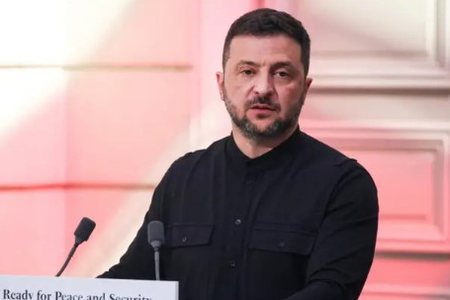
Ukraine is another matter. Putin claims to have over 700,000 soldiers on the front. Meanwhile, Ukrainian President Volodymyr Zelensky claims that Kiev forces have just recaptured seven villages and 160 square kilometers. The situation remains the same. / Adapted from “Pamphlet” by “Linkiesta”


Lini një Përgjigje