


 Shkruar nga Pamfleti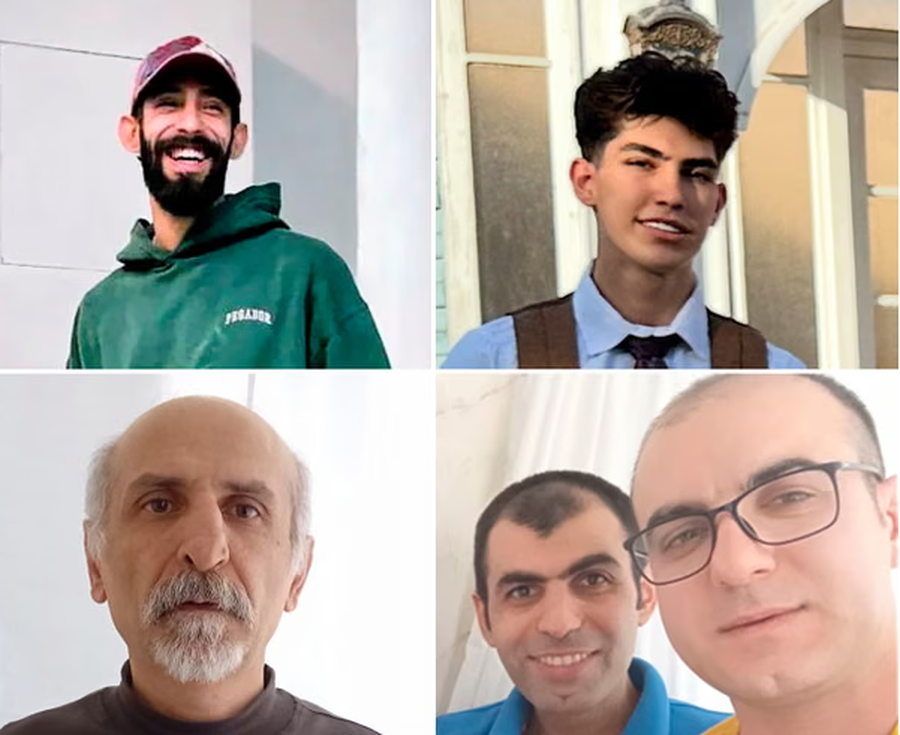
According to "The Guardian", Iranian authorities are facing accusations of a significant increase in executions, while international attention remains focused on tensions with the US and Israel.
The case of Peyvand Naimi, a 30-year-old man arrested after the January protests, illustrates the growing concerns. He has been held in solitary confinement, forced to give public confessions and, according to his family, subjected to physical and psychological torture. He is accused of involvement in the security forces' deaths, but has not had access to a lawyer and his family denies the charges.
Human rights groups report that at least 145 people were executed in Iran in 2026, with over 400 more cases remaining unverified. They say internet outages and a lack of transparency make it difficult to verify the real figures.
In March, authorities publicly executed three men arrested during protests, while other cases include dual nationals and political prisoners convicted on charges such as “fighting against God” or “armed rebellion.” According to Amnesty International, many of these trials have been conducted without fair standards and under suspicion of the use of torture to extract confessions.
Mahmood Amiry-Moghaddam of the Human Rights in Iran organization says the current international situation has reduced the political cost of these actions. He points out that global attention has shifted to issues such as oil prices and regional conflict, overshadowing human rights violations.
Reports also indicate pressure on the families of detainees, who are being asked not to speak publicly. Dozens of protesters face the death penalty, while harsh conditions are reported in prisons, including lack of food, medical treatment and cases of enforced disappearances.
According to UN data, the number of executions in Iran has increased significantly, reaching at least 1,639 cases in 2025. However, only a small fraction of them are officially announced, which makes transparency and international monitoring difficult.
Human rights groups say the use of the death penalty remains an instrument to quell public dissent, especially after the protests of recent years. Their interpretation suggests that the state aims to create a frightening effect on society, while the authorities have not provided detailed comments on most cases.




Lini një Përgjigje