


 Shkruar nga Pamfleti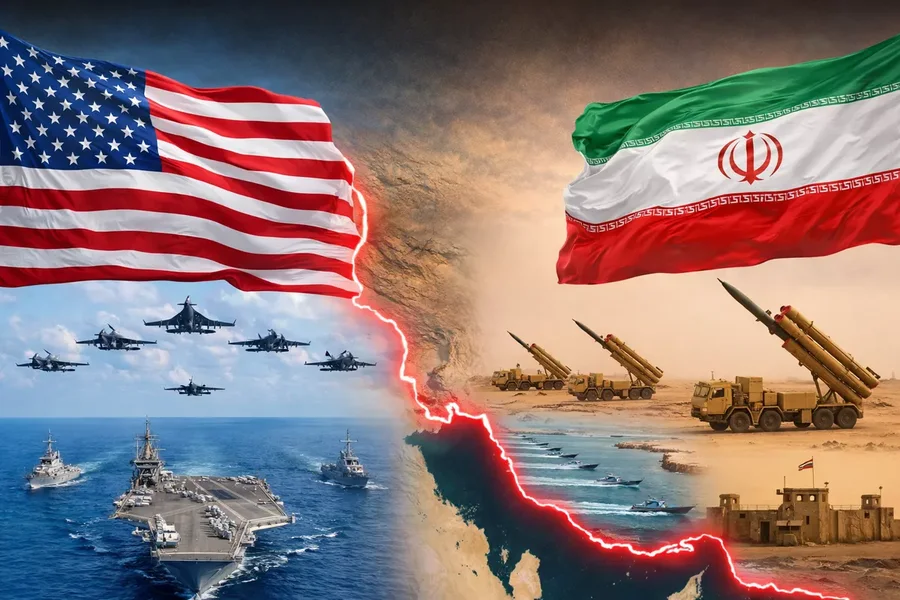
A much more complex mission than similar operations in the past
A potential United States operation to obtain Iran's highly enriched uranium (HEU) stockpiles would be extremely complex and high-risk.
Although the stated objectives of the US administration of US President Donald Trump in the war with Iran have changed frequently, he has repeatedly stressed that preventing Tehran from obtaining nuclear weapons remains the primary goal. In this context, he is considering the possibility of undertaking an operation to extract Iran's stockpile of enriched uranium.
Trump’s stances have been inconsistent. On March 29, he declared that Iran would be destroyed if it did not hand over its uranium. “They will give us the nuclear dust,” he said. Two days later, on March 31, he downplayed the importance of the issue, suggesting that the material is “very deep underground” and relatively safe after the US attacks on Iranian nuclear facilities last June. However, according to US intelligence, Iran may still have access to these stocks at the nuclear facility in Isfahan, even though they are under rubble.
According to an analysis published by Foreign Policy, Trump has not ruled out the possibility of such an operation. He stated that the United States will not end the war until it is certain that Iran cannot develop nuclear weapons.
In an interview with Reuters on April 1, he said that Iran is currently "incapable" of building nuclear weapons and that its uranium is so deeply enriched that it is not an immediate concern.
One of the main reasons for the wavering stance is the high risk of such an operation. Former US officials and experts in the field warn that a mission to retrieve near-weapons-grade uranium would take days and require large numbers of troops on the ground, involved in several areas inside Iran and under enemy fire.
Richard Nephew, a nuclear weapons expert at Columbia University, points out that the operation would be very complex and would require a significant presence of forces on the ground to reduce the risk.
Since the start of the war in late February, US forces have not operated directly on Iranian territory. However, Trump has deployed thousands of additional troops to the Middle East, including Marines and paratroopers, raising the possibility of a ground operation.
Hundreds of US special forces, including Rangers and Navy SEALs, have reportedly been deployed to the region and could be involved in such an operation, possibly in conjunction with Israeli forces. A key challenge would be identifying the exact location of the uranium.
Before the 12-day war in June, the International Atomic Energy Agency (IAEA) estimated that Iran had about 440 kilograms of uranium enriched to 60 percent. If enriched further, this amount would be enough for about 10 nuclear weapons.
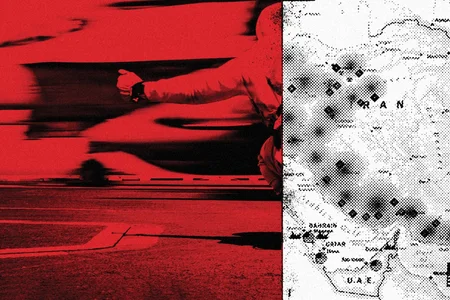
IAEA Director Rafael Grossi has stated that most of this material is believed to be located in the underground tunnels of the Isfahan facility, while another part may be in other locations, such as Natanz.
Because of these uncertainties, experts emphasize that the operation cannot be rapid. Jonathan Schroden notes that it is difficult to recover such a quantity of radioactive material from the rubble in a few hours.
The operation would require extensive logistics: clearing blocked entrances, air support, missile and drone defense, and heavy excavation equipment. Specialized containers and high security measures would also be needed to transport the uranium.
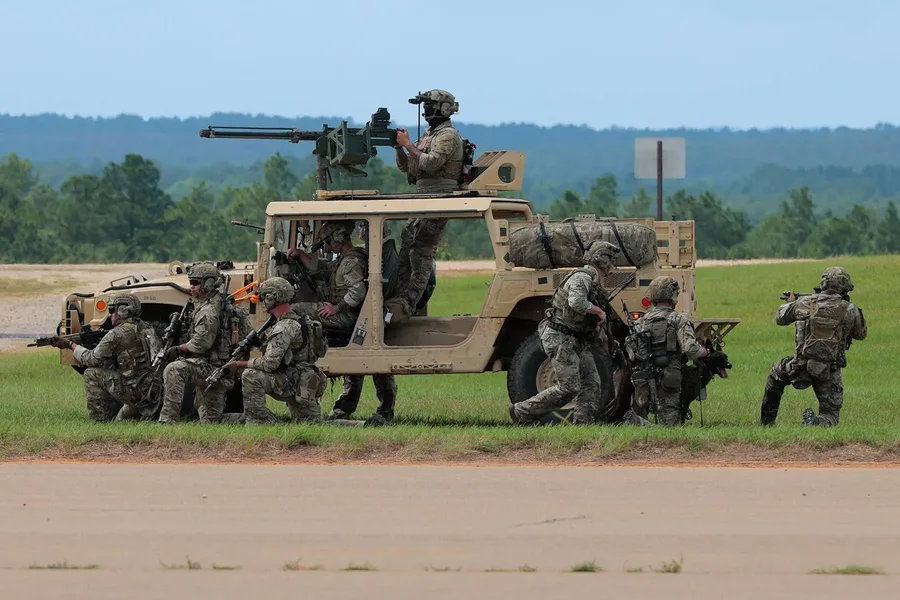
Mick Mulroy, a former Pentagon official, emphasizes that although elite American units are very capable, such a mission would require the involvement of numerous forces and extensive conventional support.
An additional factor is the fact that the facilities have been damaged by airstrikes, which makes the operation even more unpredictable. Military engineers can be crucial to the success of the mission.
Meanwhile, Iran, although weakened, retains significant military capabilities and could take countermeasures to thwart the operation.
Experts note that the United States has experience in similar operations, such as in 1994 in Kazakhstan, but that operation did not take place in an active war zone.
The debate remains open over the risk-benefit ratio. Fred Fleitz argues that it is not necessary to take the uranium, as it may not be usable. While Nephew points out that without neutralizing this material, there is a risk that Iran will restart its nuclear program.
According to the analysis, although the airstrikes have severely damaged Iran's nuclear program, they have not completely destroyed it. Iran retains the knowledge and potential to rebuild it in the future. /Adapted from ForeignPolicy /



shko e futu o trump bashke me femije kriminelin natanjau e mbetshi brenda si miu