


 Shkruar nga Pamfleti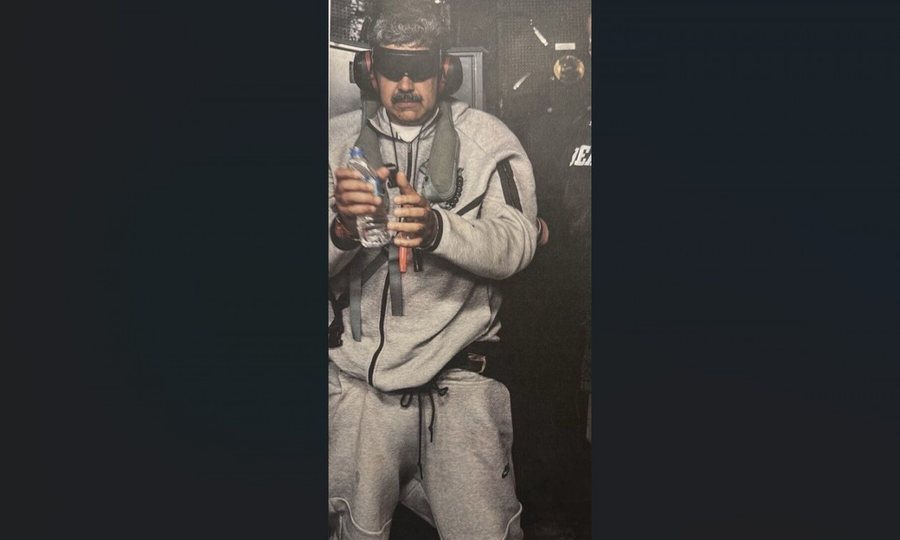
The operation to arrest Nicolas Maduro, the former Venezuelan president, had 120 critical seconds. At least according to CNN, which analyzed more than 50 videos and images taken by eyewitnesses, while mapping the flight paths of US helicopters.
US media analysis shows that US helicopters were exposed to an extremely high risk as they approached a heavily fortified compound at Fort Tiuna in Caracas.
The videos show that in the moments before the US helicopters landed in this area, there was an intense exchange of fire between them and Venezuelan air defense systems.
CNN's analysis shows that two critical minutes passed between the landing and takeoff of the American helicopters.
According to experts, these were the most dangerous minutes of the entire operation, as the plane was moving slowly and at low altitude, making it an easy target.
The beginning of the attack on Caracas
The raid on Fort Tiuna, one of Venezuela's largest military complexes, had been prepared long ago.
At the beginning of the US offensive, in the early hours of January 3, there was a series of attacks on targets across the country. According to analysis of video and satellite images, radar, communications and air defense installations were destroyed, clearing the way for US helicopters to reach Caracas.
Esto esta feo señores Caracas bajo ataque. Airplane, helicopter. NO LEAVING OR LASTING CALLES pic.twitter.com/XHxIbUqF65
— SistemFail (@comandpsa) January 3, 2026
More than 150 aircraft, including bombers, fighters and surveillance planes, took off from 20 bases on land and sea, according to Air Force General Dan Kane.
At around 1:30 a.m. (local time), according to an eyewitness, explosions were heard in the coastal town of Iguerote, about 50 miles east of Caracas.
CNN's geotagged video of these initial attacks on Iguerote airport, where Venezuela's air defense systems are located, including a Russian-made Buk-M2 surface-to-air missile system designed to target aircraft.
A video shared by a local journalist at dawn reportedly shows the Buk-M2 missile launcher still emitting smoke.
@reuters Helicopters fly over Caracas as Donald Trump announced in a social media post that Venezuelan President Nicolas Maduro has been captured, after the United States carried out a "large scale strike" against the country. #venezuela #caracas #maduro #trump #military ♬ original sound - Reuters
"Organized chaos"
Në orën 1:58 të mëngjesit (ora lokale), dy helikopterë transporti amerikan MH-47 Chinook u panë duke fluturuar ulët drejt Fort Tuna, duke anashkaluar luginën e ngushtë në të cilën ndodhet baza ushtarake, sipas videos së dëshmitarëve okularë. Ëes Bryant, një nënoficer në pension i Forcave Ajrore të SHBA-së, e përshkroi strategjinë e SHBA-së si "kaos të organizuar".
Videot tregojnë të paktën dy helikopterë që ulen në kompleksin mes të shtënave nga toka dhe nisen menjëherë pas kësaj. Këta ishin pjesë e fazës së parë të operacionit, duke transportuar forcat amerikane pranë kompleksit të Maduros dhe duke luftuar ushtarët në tokë, sipas ekspertëve ushtarakë që folën për CNN. Kane më vonë tha se forcat amerikane mbërritën për herë të parë në kompleksin e Maduros në orën 2:01 të mëngjesit (ora lokale).
Forcat amerikane kontrolluan më pas zonën dhe arrestuan udhëheqësin venezuelian. Më pas, gjatë një periudhe prej gjashtë minutash, u zhvillua faza e dytë e misionit, gjatë së cilës helikopterët sulmues amerikanë siguruan mbulim ajror ndërsa transportuesit larguan Maduron dhe forcat që e kishin kapur atë nga kompleksi.
Sipas ekspertëve, ky moment ishte më i rrezikshmi.
"Çdo helikopter është më i prekshëm një minutë para uljes dhe një minutë pas ngritjes", shpjegoi Bryant, duke theksuar se gjatë këtyre fazave helikopteri bëhet një "objektiv i lehtë".
Footage which more clearly shows the launch of a surface-to-air missile from an 9K38 “Igla” Man-Portable Air-Defense System (MANPADS) against a helicopter with the 160th Special Operations Aviation Regiment (SOAR), during strikes around the Fuerte Tiuna Military Complex in the… pic.twitter.com/uVLqVVcsM7
— OSINTdefender (@sentdefender) January 4, 2026
Largimi i Maduros
Videot tregojnë se 1 minutë e 44 sekonda pasi një helikopter ulet, re pluhuri dhe raketash mbulojnë kompleksin, përpara se një helikopter Chinook të ngrihet në ajër. Rreth 20 sekonda më vonë , një tjetër vjen pas uljes.
Një nga helikopterët shihet duke u larguar nga zona e Fort Tuna, pa drita , duke fituar me shpejtësi lartësi, përpara se të zhduket në errësirë.
Të shtënat dhe shpërthimet në Karakas kishin pushuar në orën 3:00 të mëngjesit (ora lokale), tha një dëshmitar për CNN. Një orë më vonë, zhurmat e aeroplanëve ishin zhdukur plotësisht, tha ai. Nga ana e tij, gjenerali Kane tha se forcat amerikane lanë hapësirën ajrore të Venezuelës rreth orës 4:29 të mëngjesit (ora lokale).
Një kompleks i fortifikuar
Vendndodhja e saktë brenda Fort Tiuna ku u arrestua Maduro nuk është zbuluar plotësisht.
Megjithatë, analiza e CNN tani ofron disa të dhëna se ku mund të ketë qenë Maduro, bazuar në postimet e tij të mëparshme në mediat sociale që përputhen me vendet ku u ul dhe u ngrit helikopteri i transportit amerikan .
The heavily fortified "character" of this area, which is naturally protected by steep hills, while also containing high walls and numerous security checkpoints, shows how dangerous it was for American forces to land there.
View this post on Instagram
In July 2024, Maduro posted a video showing him drinking coffee with his wife, Celia Flores, on a terrace. CNN found the video in the garden of a large house on the edge of the compound.
View this post on Instagram
In May and July 2025, Maduro posted two more videos showing him in the parking lot outside the same complex, again drinking coffee with his wife and other people.
At the same time, satellite images taken after the raid show significant damage from the explosion at another location in the complex.
A "ticking time bomb"
The complex US operation involved air, ground and naval forces, including Delta Force units and an FBI unit, according to CNN sources. However, the critical moment in Maduro's departure from Caracas occurred in a very short period of time.
“One small factor could have changed everything,” Bryant said, calling the operation a “ticking time bomb.” Venezuelan authorities said the operation cost the lives of 100 people, while Cuba reported that 32 Cubans from the presidential guard were killed. The Trump administration said there were no American casualties.
But the risk of the operation had been made known to US officials, according to a Justice Department document released after the raid. The memo warned that US forces were expected to encounter "significant resistance".
For his part, Donald Trump said after the operation that: "this was an attack that could have ended very, very badly. We could have lost a lot of people." / Adapted Pamphlet /


Lini një Përgjigje