


 Shkruar nga Pamfleti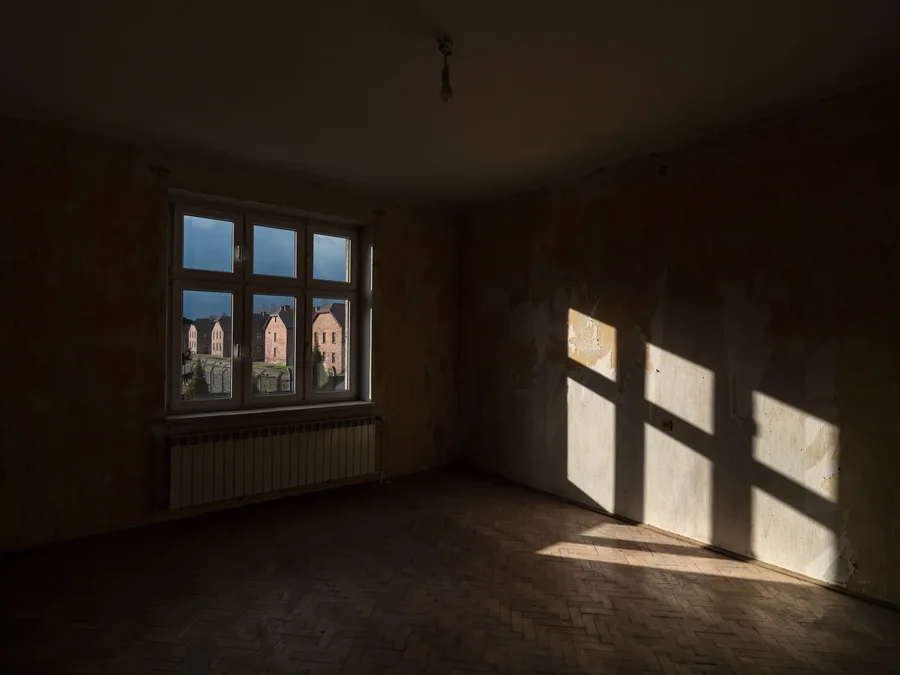
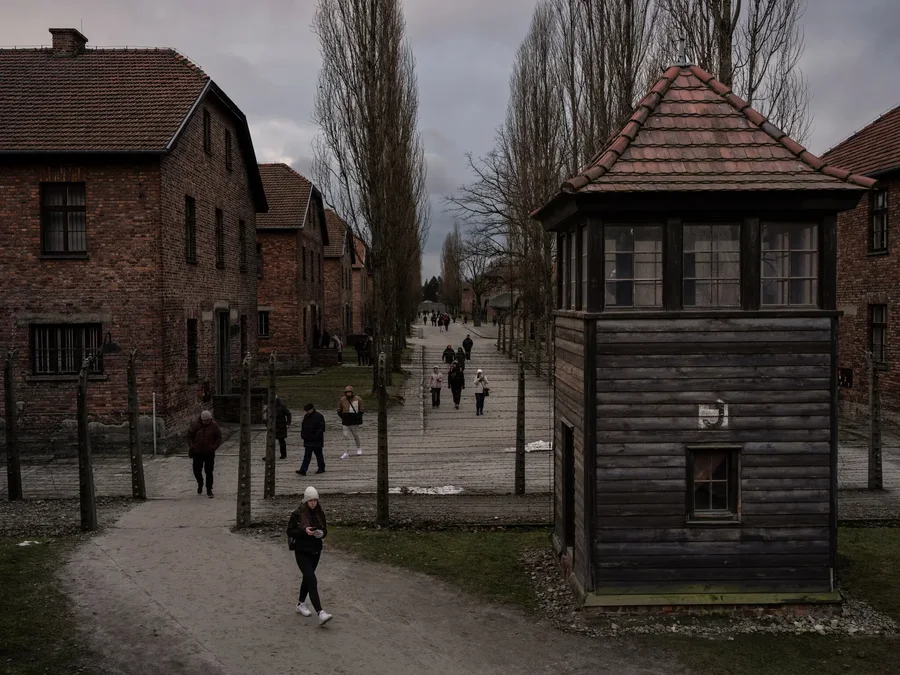
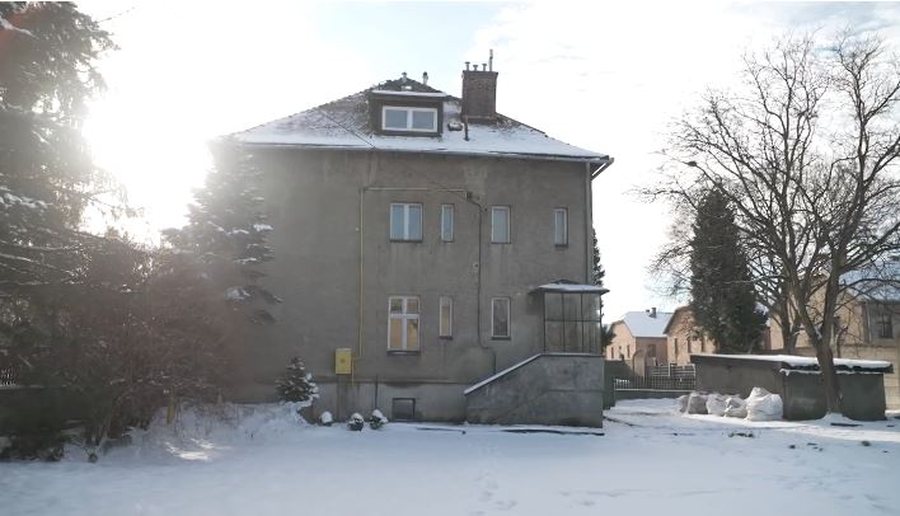
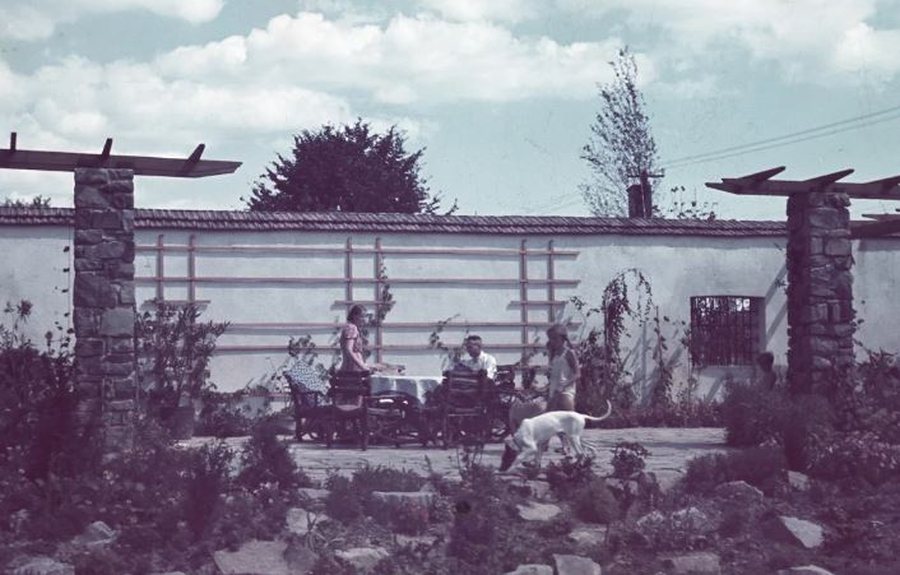
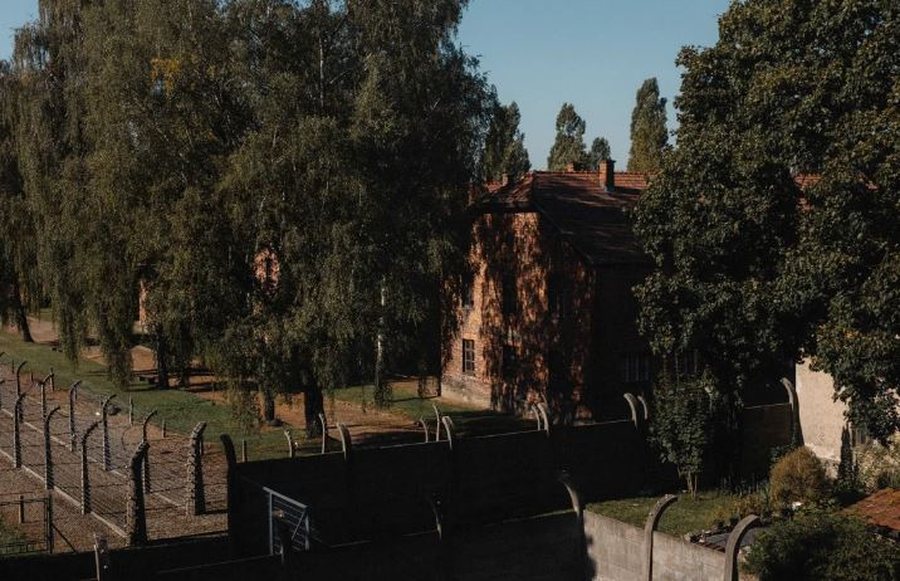
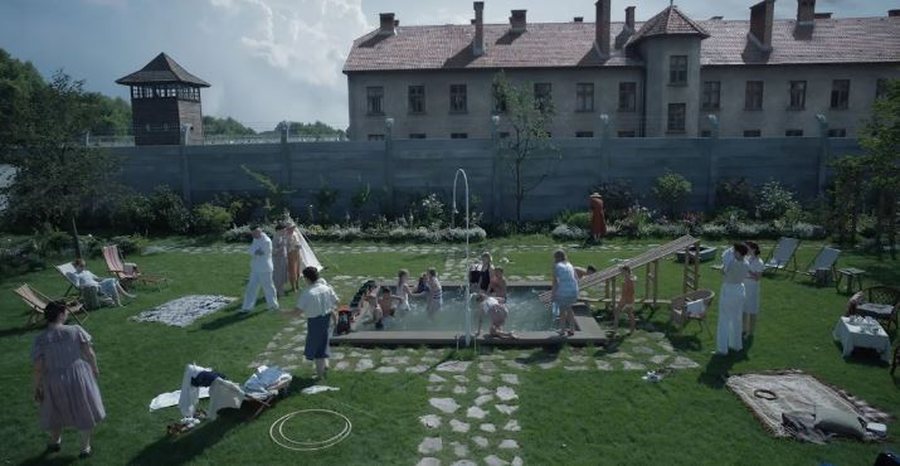
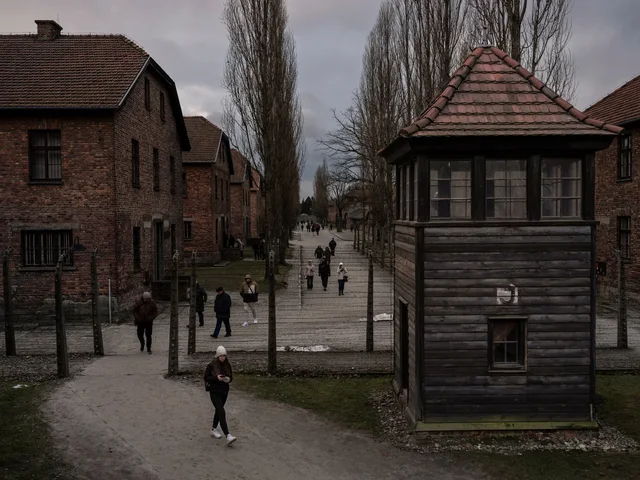
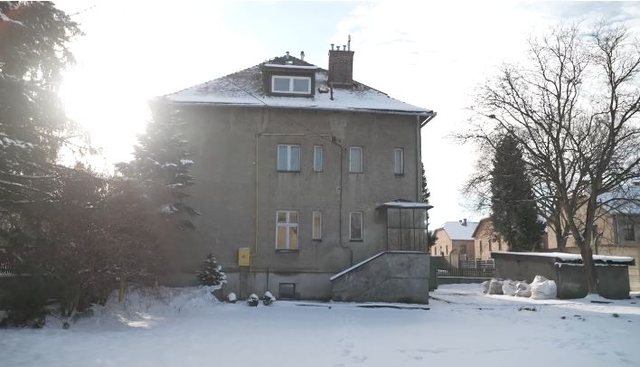
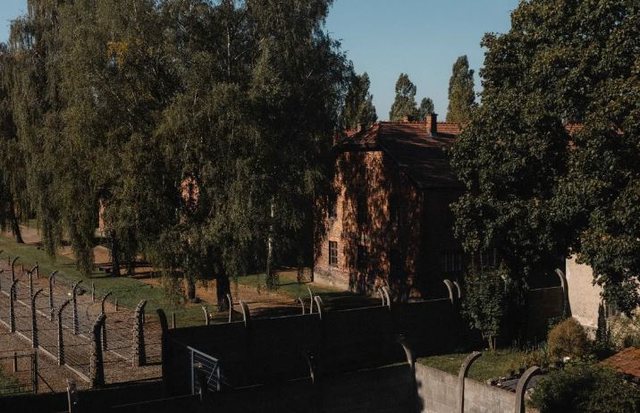
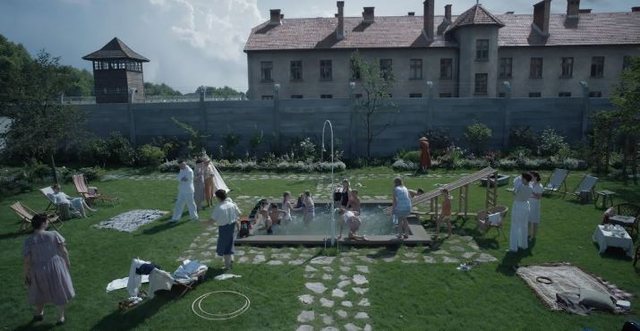
Inside the family home, Rudolf Höss, the longest-serving SS commander of Auschwitz, dreamed up the most efficient way to kill the millions of Jews, Roma, homosexuals, and political prisoners that the Third Reich was determined to eliminate. Tall trees and a high concrete wall obscured the view and screams of the camp, so that Rudolf's wife, Hedwig, and their five children could live protected from the atrocities committed just a few feet from their door.
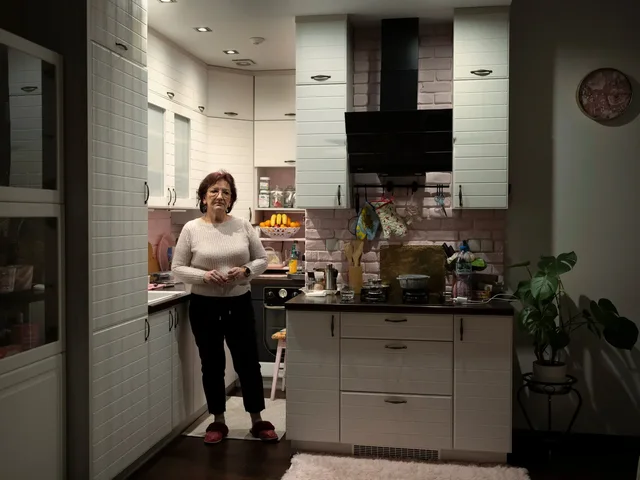
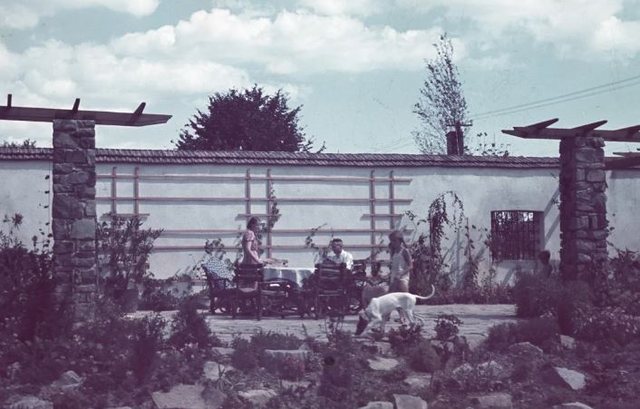
They had a happy life. The children played with turtles, cats, rode horses and swam in the nearby river. Meanwhile, other families were being herded into gas chambers and the concentration camp chimneys were spewing smoke. Since Auschwitz was liberated in January 1945, the house has been owned by a Polish family. But last year it was bought by a New York-based NGO that has sought to combat extremism since 2014.
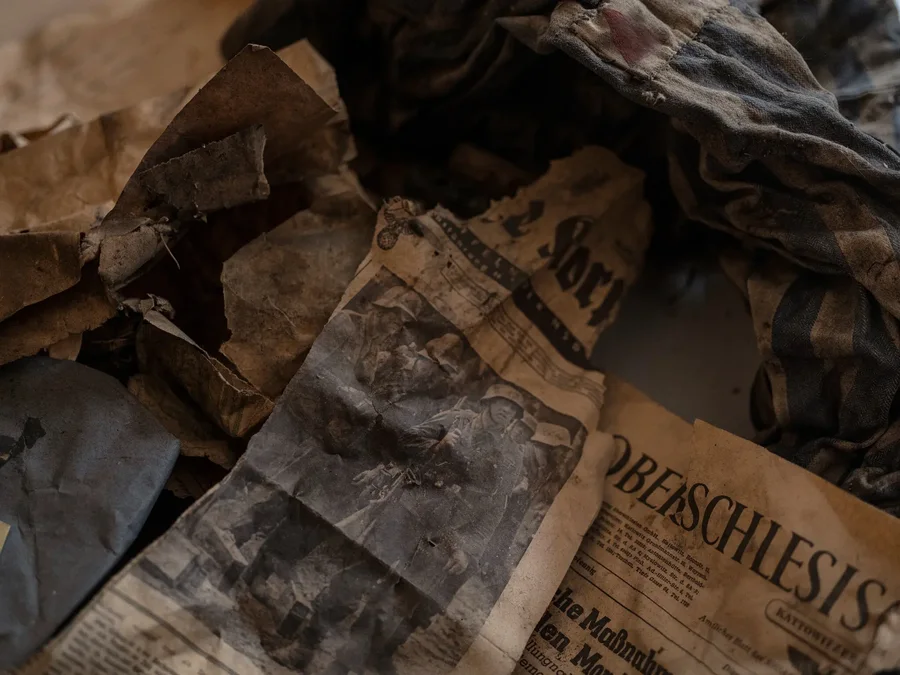
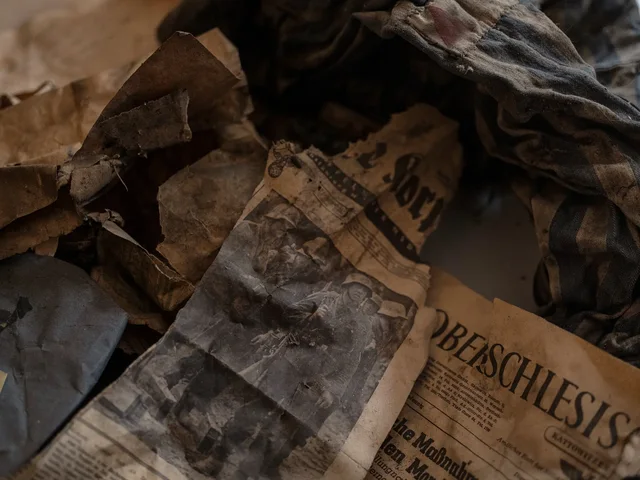
In a few days, this building, a powerful symbol of how the Holocaust was orchestrated, will open its doors to visitors in a whole new form. Now, it is not only photographs of Hoss's happy home that remain, but also diaries, one written by the family's caretaker and the other by Rudolf Hoss himself. After his capture and before his execution, Hoss was ordered to write his memoirs, providing insight into the workings of a mind that was both ordinary and terrifyingly evil.
In it, Hoss described himself as a man devoted to discipline and order. During Hoss’s three and a half years at the camp, four additional gas chambers were built for industrialized extermination. More than 1.1 million people were killed there, making Auschwitz-Birkenau the deadliest of all Nazi camps. Hoss’s diary also helps readers understand more about the family’s life at 88 Legionou Street and the struggle to protect their children. The shuttered windows, the high walls, and a motorcycle roaring outside to drown out the screams of the people inside.
In his memoirs, Hoss also recounts how he watched women and children being led to the gas chambers. “A woman came up to me and pointed to her four children, who were helping the youngest on the rough ground, and whispered to me: ‘How can you kill such beautiful, dear children? Don’t you have any heart at all?’ After seeing such scenes, he would mount his horse to clear his mind. But at no point did he seem to understand the horror of his actions. He called the extermination of the Jews a “mistake” rather than a crime, and something that was the result of very blind obedience to orders from above, based on a wrong ideology.
Hoss went on the run after the liberation of Auschwitz, but was later captured, becoming the first person at such a high level to admit the extent of the massacre at the camp. He was forced to testify at the International Military Tribunal at Nuremberg and was later sentenced to death by a Polish court. Hoss was hanged between the camp and his home in 1947. Hoss’ surviving family put distance between themselves and what Rudolf Hoss had done. His wife and daughter moved to the United States after his execution. In a 2013 interview with the Washington Post, his daughter said, “There must have been two sides to him. The one I knew and then another.”




Lini një Përgjigje