


 Shkruar nga Valerio Chiapparino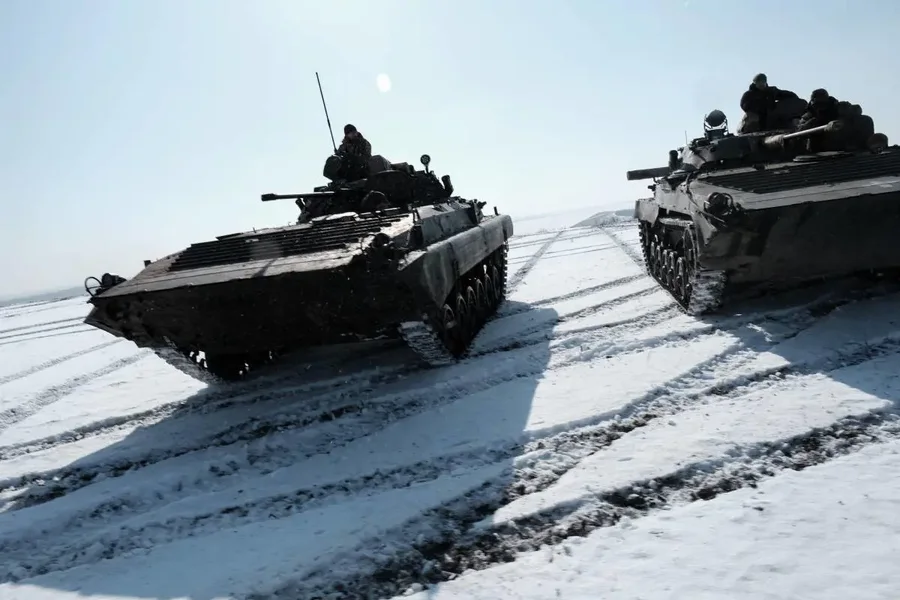
The European Commissioner for Transport warns that the Old Continent's roads, bridges and railways are not fit for a conflict with Moscow and announces a 17 billion euro modernization plan...
A new alarm has been raised about a devastating conflict on the Old Continent. The alarm was raised by the European Commissioner for Transport, Apostolos Tzitzikostas, who told the Financial Times that Europe’s roads, bridges and railways are ill-equipped for war with Russia, a prospect that is increasingly seen as likely by a growing number of senior Western officials.
Among them is NATO Secretary General Mark Rutte, who warns that "the danger will not disappear with the end of the war in Ukraine" and that Moscow could attack a European country by 2030.
"We can no longer afford to be unprepared or dependent," said Tzitzikostas, specifying that the Commission is preparing a 17 billion euro plan to modernize roads, railways, bridges and other infrastructure and ensure their suitability in times of war. The Greek-born commissioner explained that "we have old bridges that need to be renovated, we have narrow bridges that need to be widened. And there are bridges that do not exist, which need to be built."
Tzitzikostas warned that it would be impossible to defend the Old Continent if European armies are unable to move quickly. The commissioner acknowledged that the "reality" is that it would currently take "weeks", if not "months", to transfer troops and military equipment from Western to Eastern Europe. Currently, Europe's road infrastructure is unable to support the weight of military vehicles. A truck typically weighs up to 40 tonnes, while a tank can weigh up to 70 tonnes. Delays caused by bureaucratic obstacles associated with the passage of military vehicles across national borders are also causing significant delays.
The Commission representative reiterated that if NATO tanks were called into action after a Russian invasion, "they would get stuck in tunnels, cause bridges to collapse and get stuck in border control protocols."
Brussels, Tzitzikostas continued, is developing a strategy that, in the event of conflict, would allow troops to move "within hours, or at most within days."
The initiative by European authorities would specifically aim to strengthen 500 infrastructure projects along four military corridors that cross Europe. These projects were identified in cooperation with the Atlantic Alliance and have not been disclosed for security reasons.
The European transport chief is expected to present his plan for modernising the continent's main transport networks by the end of the year.
However, EU diplomats argue that the €17 billion in spending planned in the proposed EU budget for 2028-34 could be reduced during negotiations between member states.
The Brussels measure will be added to the 800 billion euro arms package already announced by the European Union. / Pamphlet adapted from Il Giornale/



Lini një Përgjigje