


 Shkruar nga Pamfleti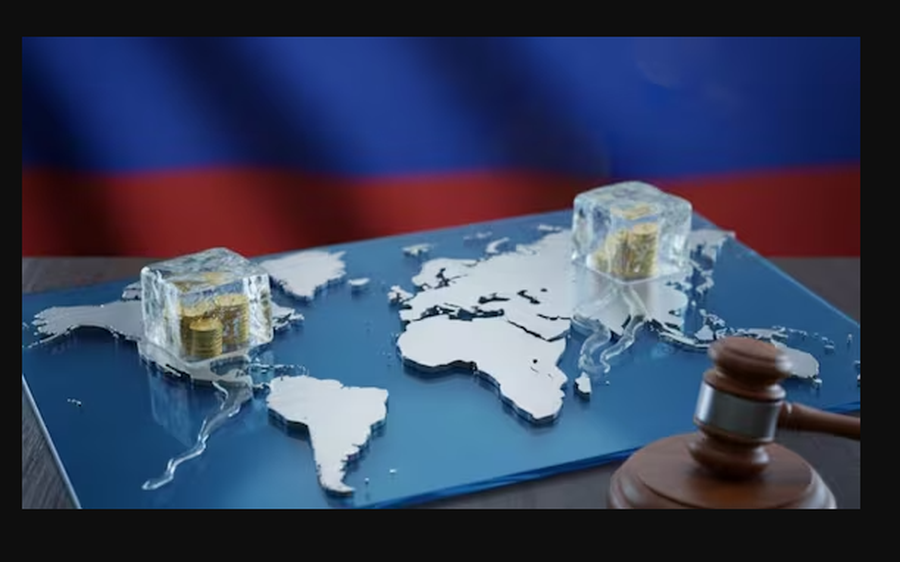
Russian assets are economic resources and tangible assets of both the Russian state and private individuals that were frozen in 2022, when the war between Russia and Ukraine broke out. With the interest-free loan of 90 billion euros, Kiev could survive for about two years...
In recent days, there has been much talk about using "frozen Russian assets" as collateral or basis for a loan of approximately 90 billion euros to Ukraine.
This idea has not yet been realized due to the lack of political consensus and the perceived legal risks by member states. But when we talk about Russian assets, what exactly are we talking about?
These are mainly Russian state financial assets, especially Central Bank reserves held abroad and (partly) assets of sanctioned Russian individuals and companies. These assets were frozen in Western countries after the invasion of Ukraine (February 24, 2022), but were not permanently confiscated, and are located in territories under the jurisdiction of the European Union, the United States, Canada, Japan and other states participating in the joint effort against Russian assets abroad.
However, it should be remembered that the first Western sanctions against Russia date not from 2022, but from 2014, the day after the forcible annexation of Crimea and the outbreak of the war in Donbas. It was then that the European Union and Western countries launched the first rounds of sanctions, targeting mainly Russian political and military figures.
Not just state assets: sanctions also affect individuals
The sanctions target not only the Russian state, but also individuals associated with Russia, Russian citizens and others, found guilty of or involved in sabotage, election interference, disinformation and other actions aimed at destabilizing the EU and the West in general. There is also an additional layer of sanctions targeting the personal assets belonging to individuals responsible for serious human rights violations, particularly members of Putin’s elite. These individuals are also prohibited from traveling to or transiting through Western countries.
Where are the frozen assets located and how much are they worth?
The overall quantification of frozen assets is complex. The available data refers mainly to Russian state assets and accounts held abroad by the Central Bank of Russia. Most of these assets are under the jurisdiction of the European Union, but significant assets are also present in North America, Japan and other countries.
Within the EU, Belgium holds the largest share, with approximately $210 billion in seized Russian assets.
Franca vjen pas me 22.3 miliardë dollarë dhe Luksemburgu me 11.7 miliardë dollarë. Jashtë Bashkimit Evropian, Mbretëria e Bashkuar ka ngrirë asete me vlerë 31.6 miliardë dollarë, ndërsa Zvicra mban afërsisht 7.3 miliardë dollarë.
Jashtë Evropës, Japonia bie në sy me 31.8 miliardë dollarë asete të sekuestruara, duke e bërë atë vendin e dytë më të madh në botë pas Belgjikës. Kanadaja dhe Shtetet e Bashkuara plotësojnë tablonë, duke ngrirë përkatësisht 17.7 miliardë dollarë dhe 5.5 miliardë dollarë.
Në përgjithësi, kjo shumë arrin në afërsisht 340 miliardë dollarë dhe i referohet ekskluzivisht aseteve shtetërore ruse dhe jo aseteve në pronësi të individëve.
Megjithatë, duhet thënë se vlera e këtyre aseteve të ngrira ndryshon me kalimin e kohës për shkak të inflacionit dhe pranisë së instrumenteve financiare me interes që prodhojnë interesa.
Asetet ruse: të pamjaftueshme për rindërtimin e Ukrainës
Konfiskimi dhe ripërdorimi aktual i këtyre aseteve është një mundësi që hap një kuti të vërtetë të Pandorës nga një perspektivë ligjore: një konfiskim përfundimtar, në fakt, do të ishte ekuivalent, nga perspektiva e së drejtës ndërkombëtare, me shpronësimin me forcë të aseteve nga një shtet sovran. Çdo udhëheqje ruse në të ardhmen mund të kërkojë kthimin e këtyre aseteve, madje edhe përmes presionit politik ose veprimeve ligjore.
Ideja e përdorimit të këtyre fondeve për rindërtimin e Ukrainës paraqet sfida shtesë. Së pari, përcaktimi sasior i dëmit: disa vlerësime e çojnë shifrën në rreth 400 miliardë dollarë, të tjera deri në 1 trilion dollarë. Meqenëse konflikti është ende duke vazhduar, është jashtëzakonisht e vështirë të përcaktohet një shifër përfundimtare.
Sidoqoftë, tani duket qartë se dëmet e pësuara nga Ukraina tejkalojnë shumë vlerën totale të aseteve ruse të ngrira jashtë vendit, si në pronësi të shtetit ashtu edhe ato që u përkasin oligarkëve të sanksionuar. Përdorimi i drejtpërdrejtë i këtyre aseteve për të financuar rindërtimin ose për të mbështetur përpjekjet e luftës së Kievit do të hapte mosmarrëveshje ligjore të pakontrollueshme.
Pikërisht për këtë arsye, deri më sot, vendet perëndimore kanë shmangur aksesin në thelbin e aseteve të sekuestruara në vitin 2022, më të rëndësishmet për sa i përket vlerës.
Sanksionet edhe përtej Rusisë: Bjellorusia, Moldavia dhe Ukraina
Regjimi i sanksioneve të Bashkimit Evropian zbatohet jo vetëm për Rusinë, por edhe për Bjellorusinë, Moldavinë dhe vetë Ukrainën. Në rastin e Bjellorusisë, subjektet e prekura janë të përfshira në prodhimin e teknologjive me përdorim të dyfishtë dhe në mbështetjen logjistike, financiare dhe tregtare për Federatën Ruse.
Regarding Moldova, sanctions are applied to individuals who, in collaboration with Moscow, threaten the sovereignty and security of the country. Finally, in the case of Ukraine, the sanctions regime targets individuals who, from 2014 to the present, have supported Russian operations or undermined the security and dignity of the Ukrainian state, including domestic figures held responsible for human rights violations or embezzlement of public or Western funds. /Adapted from geopop.it/



Lini një Përgjigje