


 Shkruar nga Pamfleti
According to defense experts, Europe is not sufficiently prepared for a potential conflict within 3–5 years, while Russia is already waging a hybrid war against the West. Although NATO has defense plans, a lack of investment, readiness, and political will leaves the continent vulnerable, marking the end of the era of the “peace dividend.”
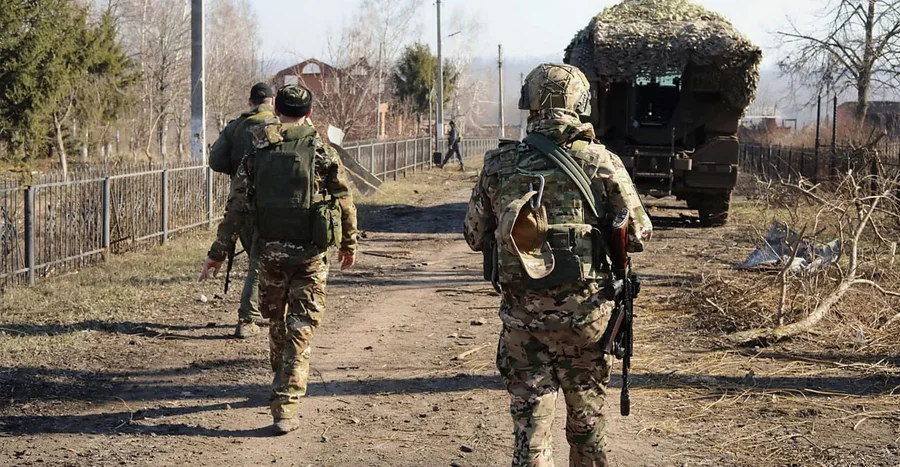
The American network CNN warns that the risk of a military clash between Europe and Russia is no longer just a theoretical scenario, but a real threat.
In its analysis, the American network notes that the shadow that Moscow is casting over the European continent has forced European governments to confront a reality that they have ignored for decades. This was the main conclusion of a closed meeting of defense experts, held last month in London, as part of an event organized by the Royal United Services Institute.
CNN reports that the meeting was attended by former military personnel, government officials, NATO officials, researchers and representatives of the defense industry.
"Their assessment was shared and worrying: the United Kingdom and its allies are insufficiently prepared for a war that, according to intelligence agencies, could break out in the coming years," the report said.
According to the report, those who participated did not refer to “war scenarios, but to prevention,” noting that “the only way to avoid a direct conflict with Russia is for Europe to be prepared to win such a war if it breaks out.”
In this context, the experts emphasized that "beyond the need for increased investment in a chronically underfunded defense sector, a profound change in mentality is also required. European societies must be clearly informed that the era in which the Old Continent could ignore the risk of war is over."
"There is evidence that societies are ready to have this conversation, but we are seeing governments that still do not feel confident enough to speak openly to their citizens," notes Sam Green, professor of Russian politics at King's College London and an expert on democratic sustainability.
Hybrid warfare and concern
There is a growing consensus among experts that Russia is already waging a hybrid war against the West. This includes sabotage operations, interference in public discourse through disinformation, but also actions such as violations of NATO airspace, GPS jamming in the Baltic countries, and attacks on critical infrastructure, which are attributed to Russian intelligence services.
Sipas Green, këto veprime kanë ndikuar tashmë në opinionin publik në shumë vende evropiane. "Njerëzit po fillojnë të frikësohen, veçanërisht ndërsa këto incidente bëhen më të dukshme. Ne shohim dronë pranë aeroporteve dhe ekziston një ndjenjë në rritje se është vetëm çështje kohe para se të ketë një aksident serioz", thotë ai.
Frikë në vendet baltike
Edhe pse Rusia nuk ka nisur një sulm të drejtpërdrejtë ushtarak kundër një shteti anëtar të NATO-s, analistët besojnë se kjo ndodh sepse ajo e di që, për momentin, nuk mund ta mposhtë aleancën e Atlantikut të Veriut. Megjithatë, ata paralajmërojnë se ky ekuilibër mund të ndryshojë.
Sekretari i Përgjithshëm i NATO-s, Mark Rutte, ka deklaruar se Rusia mund të jetë gati të përdorë forcën ushtarake kundër Aleancës brenda pesë viteve të ardhshme. Ministri i Jashtëm gjerman, Johann Vandeful, ka lëshuar gjithashtu paralajmërime të ngjashme , duke cituar vlerësime nga shërbimet e inteligjencës gjermane.
Nga ana e tij, Presidenti rus Vladimir Putin tha në dhjetor se Moska nuk po planifikonte një luftë me Evropën, duke shtuar, megjithatë, se "nëse Evropa dëshiron të luftojë, Rusia është gati".
Vlerësimi mbizotërues në shtetet baltike është se një sulm mund të ndodhë edhe brenda tre viteve të ardhshme. Një studim nga Qendra Belfer e Harvardit tregoi se vitet 2027 dhe 2028 përmenden më shpesh si momente të mundshme kohore.
Planet ekzistojnë, gatishmëria jo
NATO ka hartuar plane për t'u përballur me një sulm të mundshëm rus në vendet baltike, por ekspertët paralajmërojnë se këto bazohen në burime që nuk ekzistojnë në praktikë. "Planet dhe shifrat janë aty, por qeveritë nuk po ndërmarrin hapat e nevojshëm për t'i zbatuar ato", thotë Jack Watling , një studiues i lartë nga Instituti Mbretëror i Shërbimeve të Bashkuara.
Në Mbretërinë e Bashkuar, një rishikim i kohëve të fundit strategjik i mbrojtjes arriti në përfundimin se vendi ka nevojë për një forcim rrënjësor të forcave të armatosura, rezervave, mbrojtjes civile dhe qëndrueshmërisë së infrastrukturës kritike. Megjithatë, siç pranojnë autorët e tij, me ritmin aktual, Britanisë do t'i duhej rreth një dekadë për të qenë gati për luftë, ndërsa vlerësimet flasin për një horizont kohor prej tre deri në pesë vjetësh.
Fundi i "dividendit të paqes"
Për dekada të tëra, Evropa ka përfituar nga e ashtuquajtura "dividendë paqeje", duke investuar në mirëqenie sociale në vend të mbrojtjes dhe duke u mbështetur te Shtetet e Bashkuara për sigurinë e saj. Kthimi i Donald Trump në Shtëpinë e Bardhë dhe pushtimi i Ukrainës nga Rusia e kanë prishur këtë ekuilibër.
Sot, pothuajse të gjitha shtetet anëtare të NATO-s po i afrohen ose po e tejkalojnë objektivin prej 2% të PBB-së për shpenzimet e mbrojtjes dhe kanë rënë dakord ta rrisin atë në 5% deri në vitin 2035. Megjithatë, shumë analistë vënë në dyshim nëse qeveritë evropiane mund dhe duan t'i bindin qytetarët e tyre për sakrificat e nevojshme.
As experts point out, accepting these sacrifices is easier in societies with high trust in institutions, such as the Nordic countries, where the concept of "total protection" is deeply rooted. The question that remains open is whether this model can also be applied in countries with lower levels of institutional trust, such as the United Kingdom and other European capitals.




Lini një Përgjigje