


 Shkruar nga Pamfleti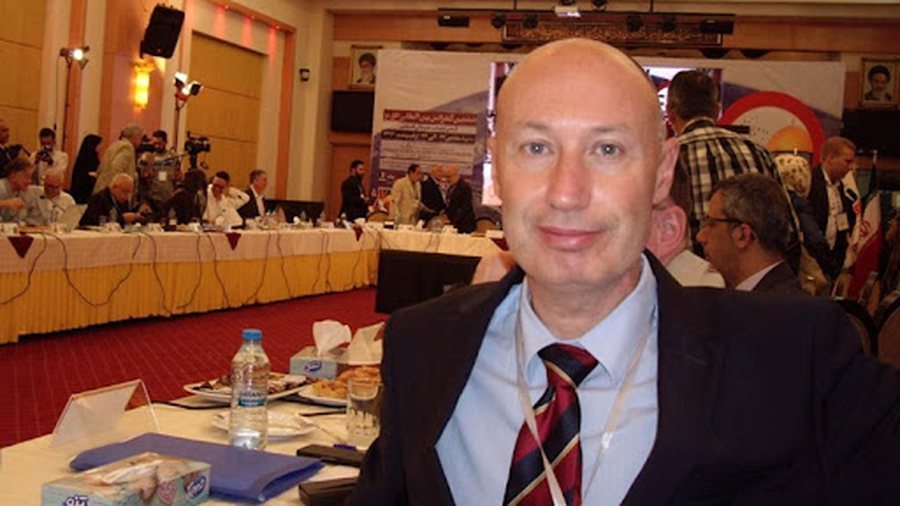
The 20-point peace plan presented by Ukrainian President Volodymyr Zelensky for resolving the conflict in Ukraine represents a step backwards compared to the original American draft, said Stefano Vernole, vice president of the Center for Eurasian and Mediterranean Studies.
In an interview with the Russian news agency TASS, Vernole stressed that Kiev's proposal does not take into account the reality on the ground and what he calls Russia's clear advantages on the battlefield. According to him, the plan does not guarantee the protection of the rights of the Russian-speaking population or the Ukrainian Orthodox Church.
"Maintaining the number of Ukrainian troops at 800,000 cannot be called demilitarization, while security guarantees based on the NATO Article 5 model are hardly acceptable to Russia. This plan is a step backwards and is unlikely to be accepted by Moscow ," the expert said.
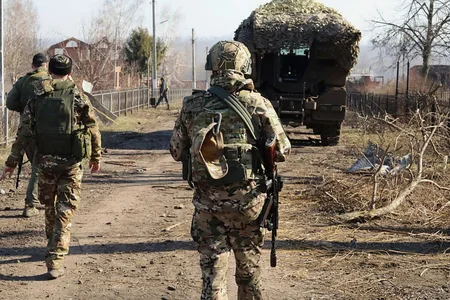
Vernole added that after almost four years since the launch of the special military operation, the territory controlled by Kiev has been reduced by about 20%, making the conditions presented at the Istanbul talks at the beginning of the conflict no longer valid.
He also commented on former US President Donald Trump's plan for Ukraine, saying that it approached some of Russia's demands, although it was not complete and did not take into account, according to him, the strengthening of Russia's role in the world order and the weakening of American hegemony.
According to Vernoles, a return to conflict between NATO and Russia cannot be ruled out in the event of a change of administration in Washington. He warned that signing an "interim agreement" on Ukraine could lead to a resumption of fighting, giving NATO time to reorganize.
On the other hand, Ukraine has presented its 20-point plan as a document aimed at consolidating national security, securing international assistance, and establishing long-term guarantees from NATO and the European Union. The plan includes political, economic, and reconstruction measures, but leaves open sensitive issues such as the status of troops in Donbas and territorial disputes with Russia.


Lini një Përgjigje