


 Shkruar nga Pamfleti
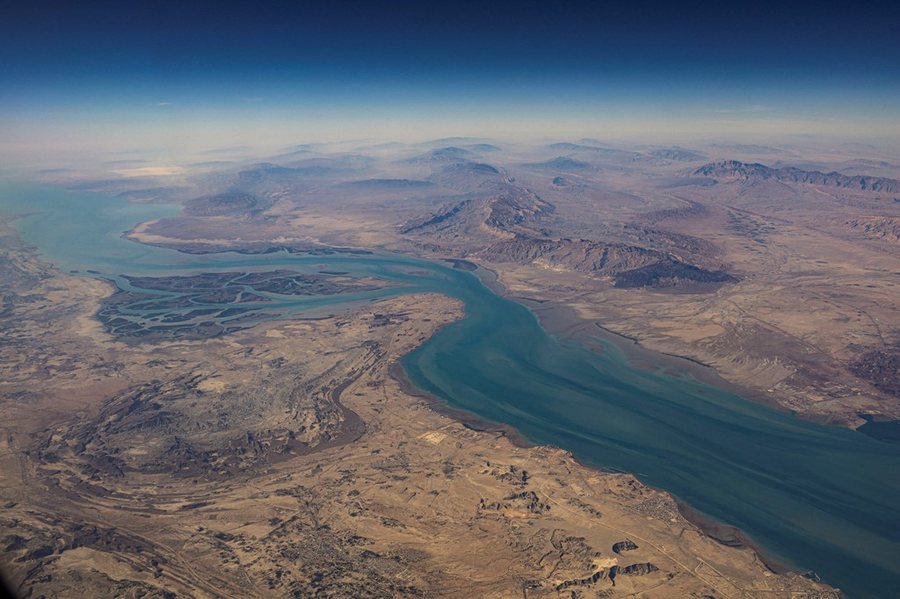
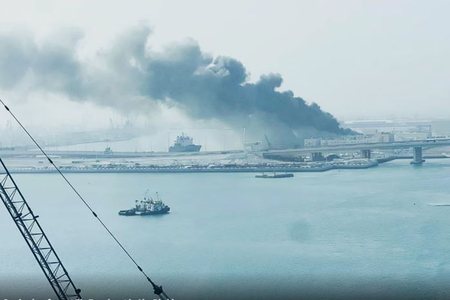
About a fifth of global oil travels through the waterway, a vital passage for world trade. The attacks have damaged tankers and many shipowners, major oil companies and trading houses have suspended shipments of crude oil, fuel and liquefied natural gas through the Strait of Hormuz.
It's still early days of a new geopolitical reality, but the first tremors of the Iran conflict are already shaking the global economy.
Wars in the key oil-producing region have the potential to disrupt everything from investment to global trade and inflation, threatening to undo the fragile progress made by governments like Britain to curb rising prices.
As the opening bells rang in Asian markets this morning, we are getting the first signs of how the conflict is sending shockwaves much further afield. Many analysts are worried.
Oil the main problem
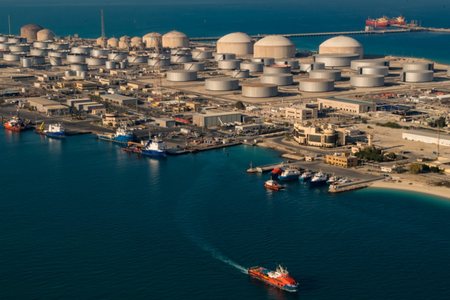
At the heart of the anxiety are oil prices, which had already risen in anticipation of unrest in the Persian Gulf.
And, in the first market reaction to the hostilities, crude oil futures rose 8% earlier today in Asian markets.
This reflects the fact that traders expect shipping through the Strait of Hormuz to dry up as Iranian missiles fly overhead.
About a fifth of global oil travels by waterway, a vital passage for world trade.
This is expensive news for countries like Japan, which imports all of its oil, and where the Nikkei index and currency have fallen.
S&P 500 and Nasdaq futures contracts also fell by about 1%.
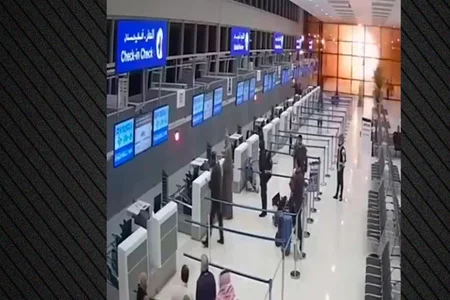
Shares in Australian airline Qantas fell more than 10% as the conflict suspended flights and closed airports across the conflicted region.
The safe haven was strengthened.
Meanwhile, investors are rushing to bonds and gold, which are perceived as safe havens, the latter rising 2.3% to $5,380.60 an ounce, while silver also gained 2.1%.
Some banks even expect gold, which has enjoyed a strong 12-month or more rally due to volatility in global markets, to reach $6,300 an ounce by the end of the year.
The trillion dollar question
Whether rising oil prices will fuel inflation depends on how long they remain high, which in turn will be determined by how easily tankers can pass through the Middle East.
But if oil prices remain high for some time, inflation is expected to rise sharply: bad news for families who pay at gas stations and supermarkets.
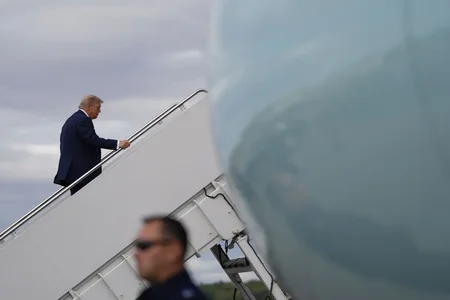
Yesterday, Donald Trump indicated that the conflict could last "four weeks or more", a more protracted conflict than many markets had predicted.
But others are taking a more optimistic perspective that oil prices will not spiral upward.
Ed Yardeni, president of New York-based Yardeni Research, said they "wouldn't be surprised if any sell-off in the S&P 500 on Monday morning turns into a rally, fueled by expectations of lower oil prices once the latest war in the Middle East ends."
"The price of gold could also reverse on Monday. Bond yields could fall on safe-haven demand and post-war prospects for lower oil prices," he said./ Sky News


Lini një Përgjigje