


 Shkruar nga Pamfleti
The Kremlin leader sent condolences to the Iranian president after the announcement of Khamenei's death. But nothing more.
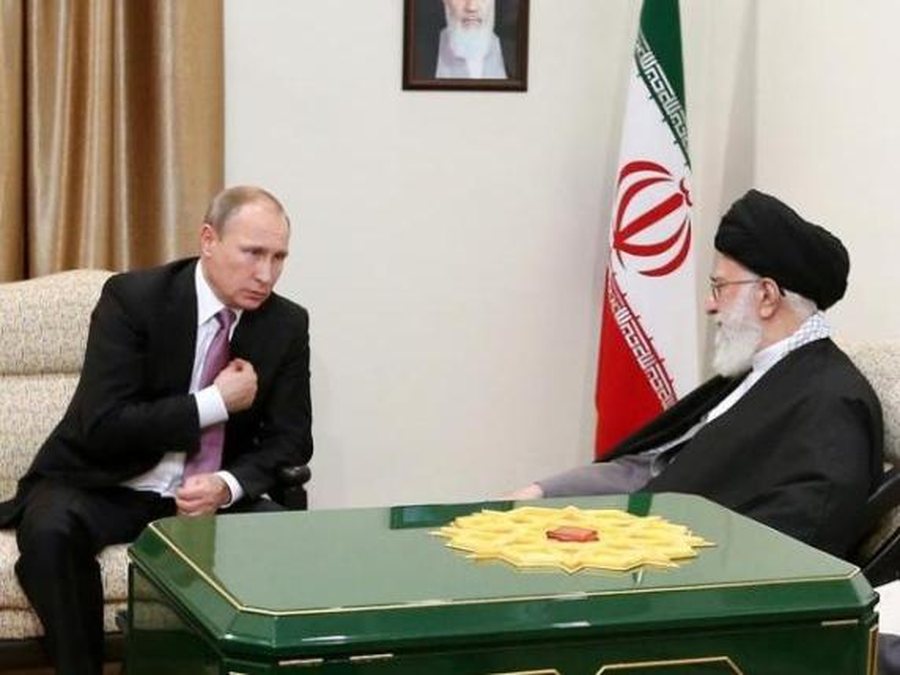
If it is true that "friends meet in times of need," then Vladimir Putin has failed spectacularly.
On Saturday morning, as Tehran was being bombarded by American and Israeli missiles, Iranian Foreign Minister Abbas Araghchi called his Russian counterpart, Sergei Lavrov, to ask for help.
But all he got was solidarity and promises of verbal support, along with a harsh and clear condemnation of the attack.
Moscow does not, or cannot, believe Iranian tears.
Yesterday, after the confirmation of Ayatollah Khamenei's death, the Kremlin leader also followed Lavrov's example.
"Please accept my deepest condolences on the assassination of the Supreme Leader of the Islamic Republic of Iran, Seyed Ali Khamenei, and members of his family, committed in cynical violation of all norms of human morality and international law," Putin wrote in a note to Iranian President Masoud Pezeshkian.
Khamenei, according to the Russian leader, "will be remembered in our country as an outstanding statesman who made a great and compassionate contribution to the development of friendly relations between Russia and Iran, raising them to the level of strategic cooperation."
Nothing more.
Since launching his war of aggression in Ukraine in 2022, Putin has promoted the narrative of a champion and defender of a multipolar world, a world that rejects the dictates of the American-led West. But at crucial moments, the Tsar has always disappeared. Where is the Kremlin in its hour of need? For the third time in just over 15 months, Putin has abandoned a loyal ally to its fate.
Syrian President Bashar al-Assad paid the price for Russia’s weak friendship in December 2024, when Putin allowed rebels to advance all the way to Damascus, hastening the dictator’s downfall and the end of a family satrapy, supported first by the USSR and then by Russia, that had lasted more than half a century.
Bashar had no choice but to accept the offer of asylum in Moscow, where he lives in luxury.
Disa javë më parë ishte radha e presidentit venezuelian Nicolas Maduro , i cili deri atëherë ishte mbështetur dhe armatosur nga Rusia, por që megjithatë qëndroi duarkryq dhe shikoi sulmin amerikan teksa e çoi direkt nga pallati i tij në SHBA, ku ai i kaloi ditët në një burg në Manhattan.
Tani është radha e Iranit, shembulli më i fundit dhe më i qartë i mospërputhjes së madhe midis retorikës së Putinit kundër hegjemonisë së papranueshme amerikano-perëndimore mbi botën dhe realitetit, ku kjo hegjemoni po vepron para syve të të gjithëve.
Fyodor Lukyanov, redaktor i Rusisë në Globel Politics dhe një analist i lidhur ngushtë me Kremlinin, e krahasoi vrasjen e Khameneit me atë të Muamar Gadafit në vitin 2011, e cila ishte një goditje e rëndë për reputacionin e Putinit.
Në të vërtetë, në rastin e Iranit, përgjigjja e dobët e Rusisë ishte e pritshme. Që gjatë Luftës 12-Ditore në qershor 2025, kur Izraeli kreu një bombardim të gjatë të Iranit që kulmoi me veprimin e SHBA-së kundër centraleve të tij bërthamore, Putin mbrojti qëndrimin neutral të Rusisë në Forumin e Shën Petersburgut, madje duke përmendur faktin se "dy milionë ish-qytetarë rusë tani jetojnë në Izrael". Që atëherë, e pavullnetshme për të sfiduar Donald Trump, Moska ka kërkuar kontrollin e dëmeve, duke u përpjekur të nxisë marrëdhëniet me Teheranin pa e tepruar: ajo mbrojti shtypjen e protestave të brendshme dhe dhjetorin e kaluar njoftoi shitjen e raketave të lëshuara nga supi me vlerë 500 milionë dollarë për Iranin. Për më tepër, marinat e të dy vendeve kryen një stërvitje të përbashkët detare, megjithëse Moska mori pjesë simbolikisht vetëm me një anije.
Kur filluan negociatat midis SHBA-së dhe Iranit, Putin gjithashtu e akreditoi veten si ndërmjetës , duke ofruar të ruante uraniumin e pasuruar iranian në tokën ruse, siç kishte bërë tashmë në vitin 2015.
Por gjithçka ishte vetëm një "fuina". Ndërsa Trump realizoi një tjetër grusht shteti dramatik, mundësia që Rusia të nxitonte në ndihmë të miqve të saj ajatollahë as nuk u ngrit për t'u përjashtuar.
Formalisht, është e vërtetë që ajo nuk ka asnjë detyrim, duke pasur parasysh se Traktati i Bashkëpunimit midis dy vendeve, i nënshkruar në vitin 2025, nuk përmban asnjë klauzolë për ndihmë të ndërsjellë ushtarake në rast të agresionit të jashtëm. Por nuk ka dyshim se prerja e kokës së regjimit shiit është një tjetër shuplakë në fytyrë për Carin dhe një goditje për reputacionin e Rusisë, duke zbuluar ambiciet jorealiste të Putinit për të luajtur në Ligën e Kampionëve të Superfuqive.
Of course, Putin will immediately benefit from the Iranian crisis: rising oil prices will at least allow him to breathe, increasing the revenues he desperately needs to continue the war in Ukraine. However, the tsar now finds himself “in a difficult position,” as Carnegie Center analyst Alexander Baunov told Agence France-Presse, adding that “twice in two months, Putin has failed to save the life of at least one allied dictator.
And the killer is his friend Trump." As the saying goes, "with friends like these, who needs enemies?"
Corriere della Sera


Lini një Përgjigje