


 Shkruar nga Pamfleti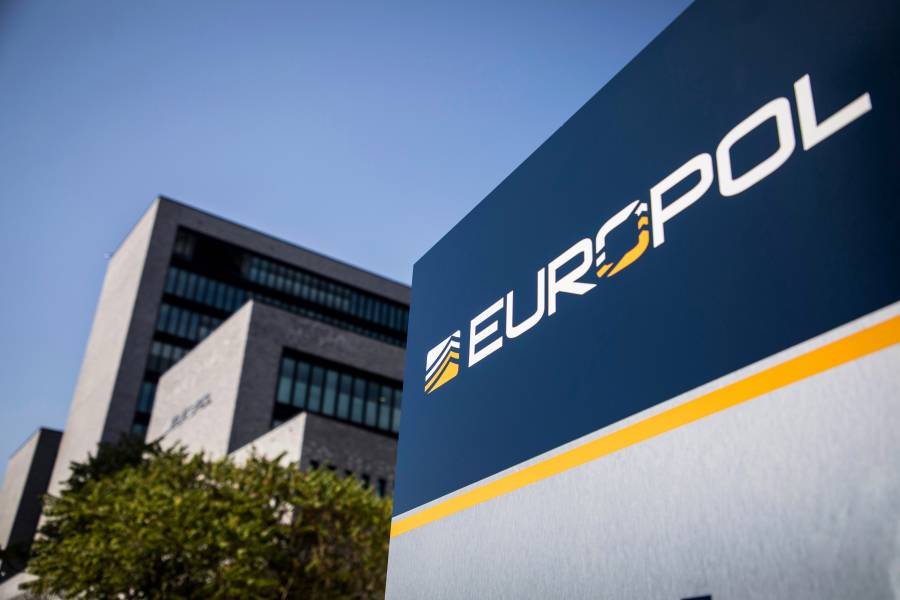
Europol has announced that over 14,200 online posts and links linked to Iran's Islamic Revolutionary Guard Corps (IRGC) have been identified and targeted in a wide-ranging operation against online terrorist propaganda.
The action was coordinated by the European Union Internet Referral Unit (EU IRU), part of the European Counter-Terrorism Centre at Europol, and aimed to disrupt the IRGC's online presence, used for propaganda, recruitment and fundraising.
The operation comes after the European Union officially designated the IRGC as a terrorist organization on February 19, 2026, through a decision of the EU Council. This classification gives European authorities the legal basis to take action against the organization's activities and support networks within EU territory.
19 countries participated in the operation: Austria, Belgium, Bosnia and Herzegovina, Bulgaria, Czech Republic, Denmark, Estonia, Finland, France, Germany, Greece, Hungary, Italy, the Netherlands, Portugal, Spain, Sweden, Ukraine and the United States.
According to Europol, between February 13 and April 28, authorities conducted coordinated phases of intelligence gathering, verification of targets, and reporting of content to online platforms.
The propaganda was distributed on popular social networks, streaming platforms, blogs and independent websites. The materials were identified in several languages, including Arabic, English, Persian, French and Spanish.
According to investigators, the content included speeches with religious narratives of martyrdom, radical political messages, artificial intelligence-generated videos glorifying the IRGC, and calls for revenge in the name of Ayatollah Ali Khamenei.
Europol also said the investigations helped identify links between the IRGC's propaganda networks and other groups allied or supported by it, including Hezbollah, Hamas, Palestinian Islamic Jihad and Ansar Allah.
During the operation, the IRGC's main account on the X platform, with over 150,000 followers, was blocked in the European Union. Thousands of other links have been removed or remain under investigation for deletion.
Investigators also found that the network used hosting companies in various countries, from Russia to the US, to maintain an online presence and evade restrictions. Authorities also identified the use of cryptocurrencies to finance and expand digital operations.
Europol warned that terrorist organizations are constantly adapting their methods to the digital space, making international coordination necessary to limit their online influence and propaganda.




Lini një Përgjigje