


 Shkruar nga John Feffer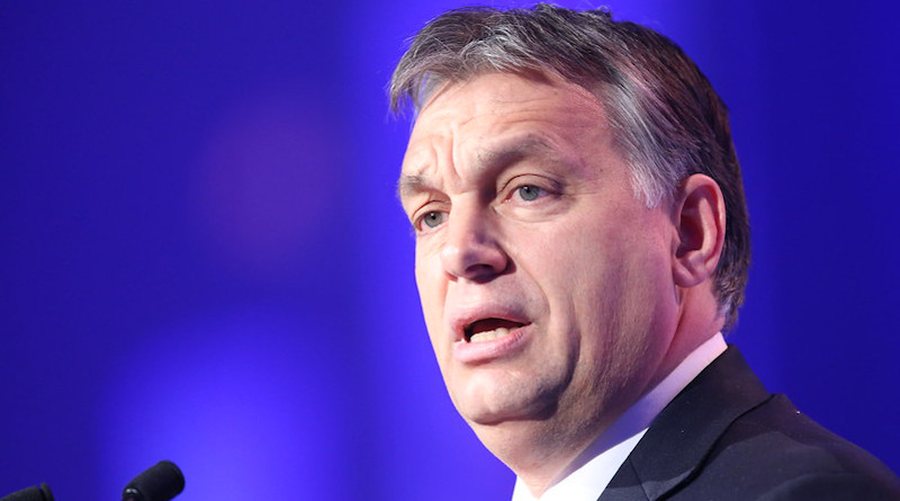
A great pressure from the extreme right could also mark the end of Europe, which has been on the horizon for a long time...
It would be funny, if it weren't for the potentially very tragic consequences. No, I'm not thinking about Donald Trump's presidential campaign this year, but about a related development: the recent decisions made by the European Union regarding Ukraine.
Late last year, European countries failed to agree on a new $54 billion aid package for Ukraine, as the country desperately tried to stay afloat and continue its fight against Russian invaders.
Unsurprisingly, the failure of that proposal coincided with a surprise decision by the EU to open membership talks with the beleaguered country. So no military aid to Ukraine in the short term, but the possible offer of a "golden ticket" to join the EU at some unspecified future point.
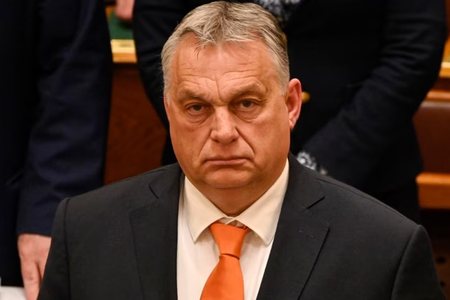
At this point, Ukrainians may wonder if they will still have a country of their own. Right-wing Hungarian Prime Minister Viktor Orbán is largely responsible for this contradictory combination. He single-handedly blocked the aid package, suggesting that any decision be delayed until after the European Parliament elections in early June this year.
He expects those elections to bring about a political shift, with conservative and far-right forces - Donald Trump's allies in Europe - replacing the current consensus of centrist forces in the EP. Orban is now relying on a new set of sympathetic leaders to advance his social conservative agenda and efforts to divest from Ukraine.
Also, he is very skeptical about the expansion of the EU with the inclusion of Ukraine or other former Soviet republics. This is not only because of Russia's sensitivity on the issue, but out of fear that European Union funds could be diverted from Hungary to younger members to the east.
Leaving the room when the vote took place in December on Kiev's future membership, Orbán allowed the consensus to prevail, but only because he knew there was still plenty of time to block Ukraine. Despite the delay in aid, Ukrainians remain optimistic.
As their leader Volodymyr Zelensky said on Twitter about the future EU membership: "This is a victory for Ukraine. A victory for all of Europe. A victory that motivates, inspires and strengthens us".
But even if Orban's resistance is overcome, there is another bigger challenge: the European Union, which is expected to take the final position on Ukraine's membership, may not be the same regional body as it is now. While Russia and Ukraine are fighting to determine where Europe's easternmost border will be, a bitter political conflict is taking place in the West over the very definition of what is called Europe itself.
In retrospect, Britain leaving the European Union in 2020 may turn out to have been only a minor setback compared to what Europe is facing today with the war in Ukraine, with the recent success of far-right parties in Italy and the Netherlands and with the prospect that after the next elections, a significantly more conservative European Parliament could at least slow down the further extension of the European Green Deal.
And worse still, a great pressure from the extreme right could also mark the end of Europe, which has been on the horizon for a long time. The end of a sustained success story of our era—especially if Donald Trump were to win this year's US presidential election again—could challenge the very concept of progress that is at the heart of any progressive agenda.
Orban's allies
For decades, radical Dutch politician Geert Wilders, the leader of the far-right Freedom Party, has repeatedly made waves in the media for his brutal statements and proposals to completely ban Islam, the Koran and immigrants in the country.
On the eve of the November 2023 parliamentary elections in the Netherlands, it seemed as if he would continue to be a lifelong candidate, with a majority of votes received especially from the youth ranks. In addition to the usual obstacles he faced, such as his extremist platforms, he was up against a reputable political force led by Frans Timmermans, the architect of Europe's Green Deal and the newly elected leader of the center-left coalition. / Adapted Pamphlet from "Eurasia Review"
Note : John Feffer, director of the think-tank "Foreign Policy In Focus" based in the USA.



Lini një Përgjigje