


 Shkruar nga Pamfleti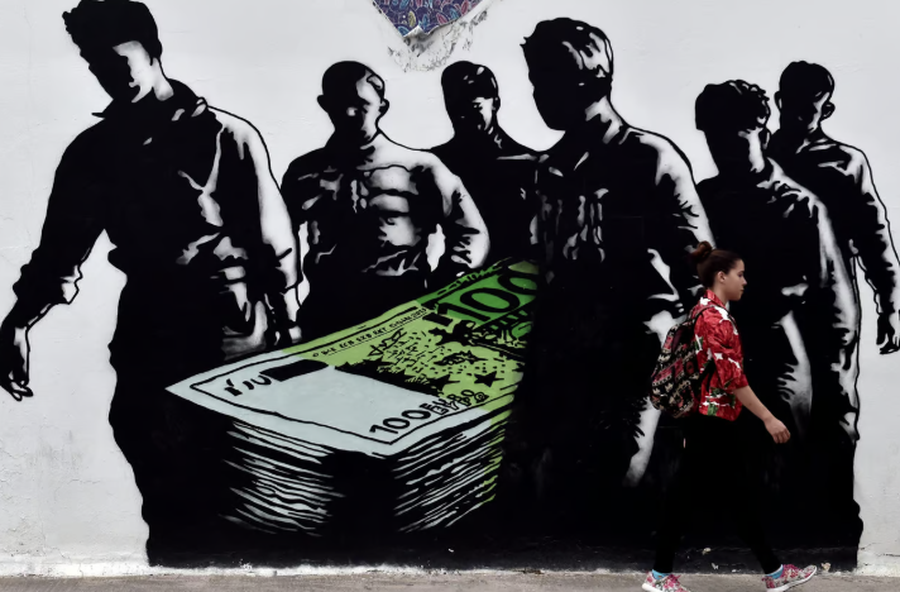
Trump and Russia are pushing the EU towards a “Hamiltonian moment,” where shared debt helps build greater federalism.
This time, shared bonds could create a more united Europe. With Donald Trump causing the biggest reshuffle of the European security landscape since World War II, issuing debt may not seem like the most pressing issue at hand, but supporters of a more integrated European Union think the demands for rearmament are crucial to realizing their federal dreams.
Trump’s insistence that Europe must grow up and take care of its own regional security – and provide Ukraine with security guarantees against Russia – is pushing the EU to quickly raise money for military investment.
Just six weeks after the inauguration of the US president, the European Commission announced a plan to raise €150 billion in joint debt to finance European arms purchases. A huge sum for EU-level bonds, exceeding all of Russia’s projected military spending through 2025.
The debt will be discussed at a summit of EU leaders in Brussels on Thursday. In the past, countries like the Netherlands fought against joint borrowing, but Germany's support has changed the dynamic. The EU is now tied to the need to spend heavily on weapons.
For supporters of a stronger EU, issuing common debt brings them closer to the long-desired "Hamiltonian moment" - a reference to the efforts of first Treasury Secretary Alexander Hamilton, who helped unify the US by consolidating the debts of various states into federal bonds in 1790.
This is not the first time the EU has raised joint debt. There was massive investment during the Covid-19 pandemic to support Europe's battered economy. But that deal collapsed after almost five months.
The need to rearm is a long-term refocusing of what Europe is about, and the sum of 150 billion euros will be the first step.
When announcing the joint debt plan, Commission President Ursula von der Leyen said the response from European capitals to "an era of rearmament" was clear.
"The real question is whether Europe is prepared to act with the determination that the situation dictates, and whether Europe is willing and able to act with the speed and ambition that is needed. This is a moment for Europe and we are ready to move forward," she said in a speech.
Emetimi i bonove do t'i lejojë Komisionit t'u japë para vendeve anëtare për të blerë armë, të cilat kryeqytetet do t'ia paguajnë Brukselit.
Paralelisht, një riorientim politik në ekonominë më të madhe të bllokut, Gjermaninë, ka bërë që vendi tradicionalisht i kursyer, më në fund po ndryshon qëndrimin e tij ndaj borxhit në mënyrë që të financojë një modernizim të ushtrisë së tij të pafuqishme. Ai sugjeron gjithashtu një hapje të re të Gjermanisë për të financuar investime në shkallë evropiane.
Këto janë ndryshime që do të jetë e vështirë të ndryshohen, edhe nëse paqja kthehet.
“Duke pasur parasysh kërcënimet ndaj lirisë dhe paqes në kontinentin tonë, çfarëdo që duhet tani duhet të zbatohet edhe për mbrojtjen tonë”, tha kancelari i ri i Gjermanisë, Friedrich Merz, në fillim të këtij muaji, duke i bërë jehonë thirrjes së ish-presidentit të Bankës Qendrore Evropiane Mario Draghi për armë nga kriza e borxhit të eurozonës.
"Ajo që ndodhi në Gjermani është një ndryshim i madh. Dhe ky ndryshim do të jetë gjithashtu shumë, shumë i rëndësishëm për politikën evropiane”, tha Florian Schuster-Johnson i Dezernat Zukunft, një institut kërkimor jopartiak, i fokusuar në ekonomi në Berlin.
Krijesat e luftës
Guntram Wolff, bashkëpunëtor i lartë në Bruegel, tha se masa e BE-së mund të jetë po aq thelbësore sa "momenti Hamiltonian" që përshpejtoi transformimin e SHBA-së nga një konfederatë e lirshme e politikave në një shtet-komb me fuqi të centralizuara shpenzimesh.
"Nëse kjo ndodh - më shumë integrim ushtarak së bashku me më shumë financime të përbashkëta - atëherë ne jemi në krijimin e një BE krejtësisht të re. Ky është me të vërtetë një moment mega Hamiltonian", tha ai.
Ngatërrimi i financave me luftën ka një histori të gjatë. Armët janë të shtrenjta dhe qeveritë kërkojnë mënyra të reja për të rritur financat në luftë.
Bashkim gjithnjë e më i ngushtë
Diçka e ngjashme po ndodh tani në nivel evropian, thonë analistët. “Lëvizja drejt mbrojtjes nga financimi potencialisht i madh i borxhit duket se në fakt po kthehet në mënyrën se si njerëzit mendonin për këtë në shekullin e 18-të dhe të 19-të”, tha James.
“Nuk është e nevojshme që një shtet të ketë paratë e veta, shtetet e hershme moderne shpesh vepronin me të gjitha llojet e monedhave… Por shtetet duhet të mbrohen. Ata kanë nevojë për një ushtri”, shtoi ai.
Lufta në Ukrainë ka detyruar gjithashtu politikëbërësit evropianë të marrin në konsideratë rregullime të mëdha fiskale që më parë ishin të pamendueshme dhe që janë parë prej kohësh si një hap i parë drejt një bashkimi më të thellë.
Germany’s easing of its debt curbs on the military is at first glance a strictly national decision. But lifting the national debt taboo suggests a softening of its long-standing fiscal conservative stance at the European level. It is in Berlin’s interest that if it goes further into debt to help defend the bloc as a whole, its partners should do so too, since all EU countries benefit from collective security.
Berlin has not opposed the Commission's joint proposal for the debt, provided that it is disbursed as a loan that countries must repay, and not as untied grants.
"Suddenly a country that in the past said we should balance the budget and we should not allow debt to grow, even to finance investments of any kind, turns around 180 degrees. You will change your mind when someone has put a gun to your head ," said Belgian economist Paul De Grauwe.
Since the EU's formation, its treaty has called for "ever closer union," but national governments across the bloc have always been wary of handing over powers to a central EU administration — and of any move that could make them liable for the debts of their neighbors.
The latest moves could represent a significant change. Until now, the Commission's borrowing has been financed indirectly from the EU budget, but this has serious limitations. To raise more money, the Commission would need to find ways to raise taxes. It would then be able to issue bonds on the market backed by taxpayers, just as a sovereign country would.
Tax collection will be tricky because EU taxation requires unanimous agreement. In the past, this has been off-limits to capitals that jealously guard what they see as a national prerogative. Even in the context of wartime, it remains a difficult prospect as long as Ukrainian and EU-sceptical leaders, such as Hungary’s Viktor Orbán, have a seat in the Council.
In 2020, the Commission also relaxed fiscal rules to allow member states to prevent their economies from collapsing as a side effect of the lockdowns. The next step was a €100 billion fund raised for job protection – which it sees as equivalent to the recently announced €150 billion protection fund. The final step was a massive €800 billion recovery fund./ Adapted from "Pamphlet" by "Politico"


Lini një Përgjigje