


 Shkruar nga Pamfleti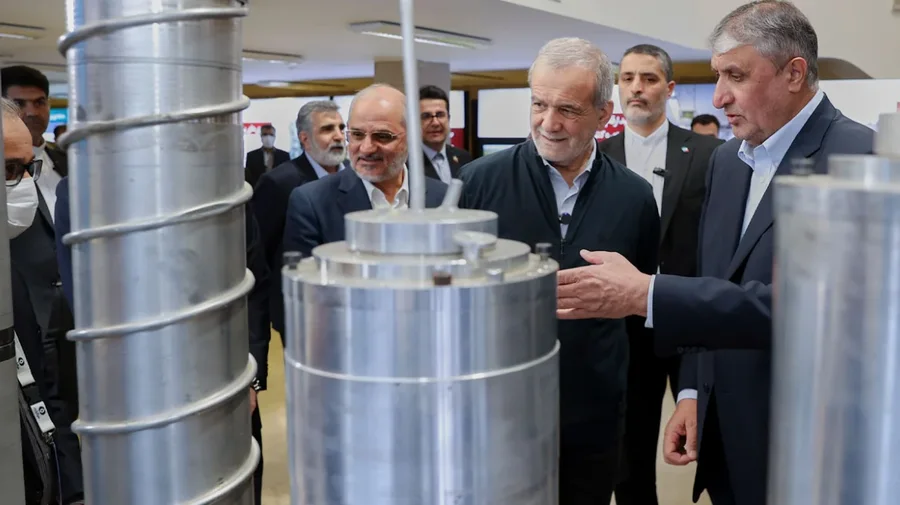
Iran has agreed not to produce or acquire nuclear weapons, according to a draft memorandum of understanding between Tehran and Washington, a senior Iranian official told Reuters .
If this information is confirmed by the American side, it would constitute an important step in negotiations to reduce tensions, reopen the Strait of Hormuz, and create a new framework for the Iranian nuclear program.
The main obstacle remains enriched uranium.
The most difficult issue, both technically and politically, remains the future of Iran's existing reserves of enriched uranium.
According to the Iranian official, details on how these reserves will be handled will be discussed within 60 days of reaching the initial agreement. Tehran wants the process of diluting nuclear material to take place within Iranian territory and under the control of the country's authorities.
The draft, according to the Iranian side, also provides for the United States to lift sanctions on Iranian oil for a limited period, enabling Tehran to continue sales and retain the revenues from them.
This is considered one of Iran's main conditions, as revenues from the energy sector remain vital to the country's economy.
Immediate reopening of the Strait of Hormuz
A central element of the agreement under discussion is the immediate reopening of the Strait of Hormuz to all commercial ships.
In exchange, the US is said to be agreeing to lift the naval blockade of Iranian ports, a development that could significantly reduce tensions in one of the most important maritime corridors for the global energy market.
According to the Iranian version published by Reuters, Washington also commits not to impose new sanctions on Iran until a final agreement is reached.
The draft also includes the unblocking of $25 billion in frozen Iranian assets. These funds could be released through direct cash transfers, cooperation with regional countries, or financial lines of credit.
Tehran maintains status quo on nuclear program
In the part related to the nuclear program, Iran commits not only to not producing or acquiring nuclear weapons, but also to maintaining the current status quo until a final agreement is reached.
This means, according to the same source, that Tehran will not proceed with new uranium enrichment and will not expand its nuclear infrastructure.
However, despite the importance of this information, it is only the version presented by an Iranian official and not a joint or official statement by both sides.
So far, the United States has not confirmed the content of the draft, while in recent days various information and contradictory assessments have been published on the proximity of an agreement between Washington and Tehran.



Lini një Përgjigje