


 Shkruar nga Pamfleti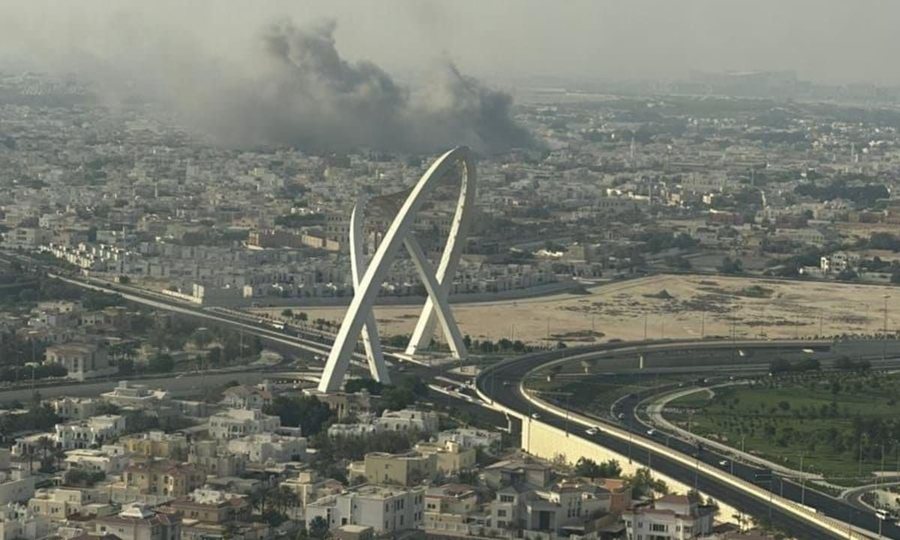
While the world's attention is on Poland, yesterday's Israeli attack on Doha could signal an equally important development.
The attack that Israel carried out on Tuesday afternoon against the capital of Qatar, Doha, was, according to the Jerusalem Post, a defining moment for the situation in the Middle East.
According to Israeli media, yesterday marks a fundamental shift in Israel's strategy. As it explains, for decades, Israel has tried to behave according to Western standards. Diplomatically, it viewed the West as a model of democracy and military power, operating within the constraints of Western diplomatic norms.
These rules, according to the same article, include measured responses, cautious escalations, and endless negotiations that are often highlighted in the article as a reward for the same actors who orchestrate violence against Israeli civilians.
According to the Jerusalem Post, the assassination of Hamas leaders in the Qatari capital, including deputy chairman Khalil al-Haya, former leader Khaled Mashaal and chief financial officer Zaher Jabari, was an indication that the rules of engagement had changed. As the paper points out, for 30 years, Hamas leaders enjoyed what the Jerusalem Post’s Seth Frantzman rightly described as “Hamas privilege” in Doha, “living in luxury abroad” while orchestrating terrorist acts from their safe haven in Qatar.
According to what is reported in the Israeli media, on Tuesday, Israel, tired of Hamas' games that were delaying negotiations to end the war in Gaza, took the initiative.
Rejection of Western methods
Speaking to the Israeli newspaper, the president of the Jerusalem Center for Public Affairs, Dan Dicker, explained how, with the growing tendency of European countries to recognize a Palestinian state, Western powers have systematically tried to impose their cultural framework on the dynamics of the Middle East.
This approach treats negotiations as good-faith exercises between rational actors, where compromise is a virtue and escalation is a failure. However, this misunderstands how power works in the Middle East, a geopolitical powder keg that has no equal on the planet.
According to Dicker, the Hamas leadership has spent decades exploiting this Western mentality. They present themselves as unwilling participants in peace processes while simultaneously celebrating massacres like the one on October 7.
The result is a perverse system where Israel finds itself "negotiating by Hamas' rules," where delays in hostage negotiations are rewarded with international pressure on Israel instead of consequences for Hamas.
Sipas tij, vetë vazhdimi i luftës dhe vuajtjet e popullit palestinez janë një mjet për të arritur një qëllim për Hamasin, i cili e shtrembëron narrativën e medias ndërkombëtare sipas dëshirës së tij, bombardime të spitaleve, të shtëna pa dallim në vendet e ndihmës dhe zi buke. Organizata terroriste ka arritur ta përhapë narrativën e saj në botën perëndimore, e cila mund ta shikojë Lindjen e Mesme me një mentalitet perëndimor dhe të bërtasë "padrejtësi!".
Qasja tradicionale perëndimore krijoi atë që Dicker e quajti një supozim të gabuar: “se Izraeli nuk do të guxonte të sulmonte udhëheqjen e Hamasit në tokën e Katarit sepse supozonte se amerikanët do ta parandalonin atë”. Ky supozim u bë mburoja e Hamasit, duke i lejuar atij të vepronte pa u ndëshkuar ndërsa ushtarët e tij vdisnin në tunelet e Gazës.
Lindja e Mesme, siç vuri në dukje Dicker, "kupton vetëm fitoren dhe humbjen ". Ky nuk është një stereotip kulturor, por më tepër një njohje se ky rajon është i ndryshëm. Në një rajon ku kolapsi i shteteve është më i zakonshëm se gjetkë dhe dinamikat fisnore mbeten të forta, forca sinjalizon legjitimitet, ndërsa dobësia provokon agresion.
Izraeli do të veprojë në mënyrë të njëanshme
Deklarata e kryeministrit izraelit Benjamin Netanyahu se “kohët e udhëheqësve terroristë që gëzonin imunitet kudo kanë mbaruar” mund të përfaqësojë më shumë sesa thjesht retorikë të ashpër. Sipas Jerusalem Post, kjo mund të sinjalizojë një ndryshim në mënyrën se si Izraeli projekton fuqinë e tij. Në vend që të kërkojë miratimin perëndimor për çdo përshkallëzim, Izraeli po tregon se do të veprojë në mënyrë të njëanshme për të mbrojtur interesat e tij.
Ky ndryshim është veçanërisht i rëndësishëm duke pasur parasysh kohën. Shefi i Mossadit, David Barnea, thuhet se u tha ministrave gjatë një takimi të kohëve të fundit të kabinetit se "nuk mund të eliminoni zyrtarë të lartë të Hamasit jashtë vendit ndërsa negociatat me ta janë duke vazhduar".
Sulmi në Doha sugjeron që Netanyahu e ka hedhur poshtë plotësisht këtë qasje "të stilit perëndimor" .
Izraeli ka vepruar në një mënyrë të ngjashme në të kaluarën, më së shumti në vrasjen e udhëheqësit të Hamasit Ismail Haniyeh në qendër të Teheranit në vitin 2024, vrasjen e udhëheqësit të Hezbollahut Hassan Nasrallah dhe sulmet e koordinuara me dronë ndaj anëtarëve të Hezbollahut.
Megjithatë, sulmi i së martës ishte i ndryshëm. Ishte një përgjigje, pretendoi Netanyahu, ndaj sulmit terrorist të së hënës në Jerusalem , i cili rezultoi në vdekjen e gjashtë personave, dhe ndaj vdekjes së katër ushtarëve të IDF në Gaza. Izraeli mori masa vendimtare në përgjigje të veprimeve të Hamasit dhe foli me gjuhën e forcës.
Dicker vuri në dukje gjithashtu konvergjencën e pikëpamjeve midis Netanyahut dhe Presidentit të SHBA-së Donald Trump në lidhje me " mposhtjen e islamizmit radikal ekstremist ".
This cooperation frees Israel from diplomatic restrictions imposed on it by previous US administrations, such as that of former President Joe Biden.
This matters because Middle Eastern actors closely monitor the dynamics between the US and Israel. When they see a shift in opinion between Washington and Jerusalem, it encourages strategies of denial. When they see coordination, it forces them to reposition themselves on the chessboard.
Attack messages
The choice to specifically attack Qatar sends multiple messages.
First, it ends the fiction that Hamas's "political wing" operates separately from its military operations.
Second, it challenges Qatar’s double game of positioning itself as a mediator while providing sanctuary to terrorist leaders. The Gulf state has used its shelter of Hamas leaders to gain influence in peace processes, but Israel’s attack suggests that this arrangement no longer serves Israel’s interests.
Third, it shows that geographical distance no longer provides immunity. If Israel can attack Doha, no Hamas leader can consider himself safe based on the diplomatic sensitivity of his location.
New test for Israel
The real test of whether Israel has truly mastered the “language of the Middle East” will be the aftermath. Regional actors will watch to see if this was an isolated Israeli operation or something more. It remains to be seen whether Israel will continue this approach despite the inevitable international pressure and whether it will extend beyond Hamas to other Iranian proxies.
The attack on Doha “could open the door to the end of the war in Gaza,” Dicker says. This is not because the operation eliminated Hamas’s military capability, but because it demonstrates Israel’s willingness to ignore diplomatic norms and pay any diplomatic price for victory.
If Middle Eastern actors believe that their adversary is truly committed to ultimate victory rather than conflict management, they begin to consider exit strategies rather than endurance races. /Adapted from Pamphlet/




Lini një Përgjigje