


 Shkruar nga Pamfleti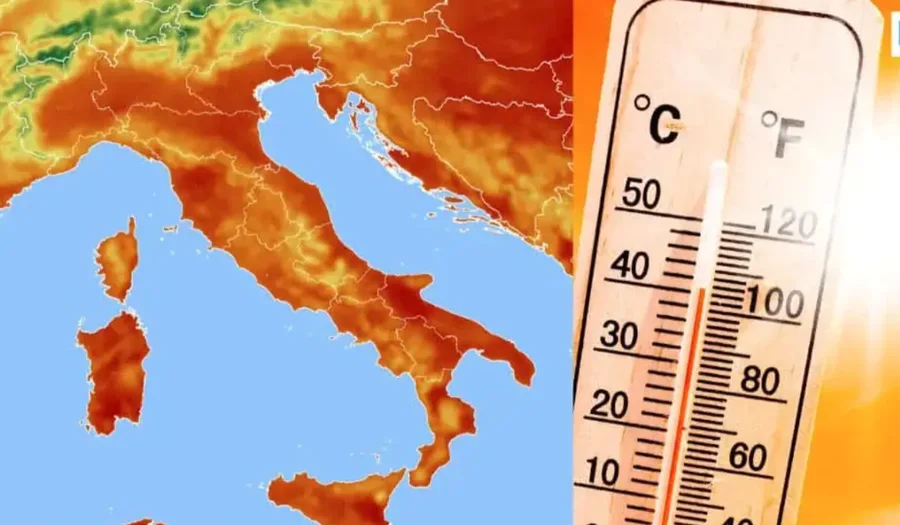
Countries around the world are bracing for extreme weather later in the year as the world faces El Nino, the climate phenomenon that fuels tropical cyclones in the Pacific, as well as torrential rains and the risk of flooding in the Americas and other regions.
On Thursday, the US Oceanic and Atmospheric Administration declared that El Nino is coming.
In the last three years, this phenomenon has been dominated by another phenomenon, La Nina.
Scientists believe that this year is worrying. The last time El Nino was at full capacity was 2016, when the world recorded its hottest year ever.
Meteorologists expect that this year's El Nino, mixed with climate change, will face the world with even higher temperatures. Experts are also worried about what could happen to the oceans. The extent of El Nino means that waters in the eastern Pacific are warmer than usual. However, even before El Nino started, in May, the average sea temperature was 0.1 percent higher. This phenomenon can make climate conditions even more extreme.
"We are in unprecedented territory," said Michelle L'Heureux, a meteorologist at the Center for Climate Prediction.
This year, El Nino could result in losses of $3 trillion globally, according to a study published last month in the scientific journal Science, as extreme weather affects agricultural production, the production of other goods and helps spread disease. .
Governments in vulnerable states are taking notes.
Peru has set aside $1.06 billion to deal with damage caused by El Nino, while the cyclone-prone Philippines has set up a special government to deal with what might happen.
El Nino is a natural climate phenomenon that warms the waters to abnormal temperatures in the eastern Pacific.
It is created when the winds that blow in the east-west direction, decrease the intensity, or take the opposite direction, changing the air pressure.
However, scientists are not 100 percent convinced that these conditions result in such a phenomenon.
In the period 2015-2016, when the most powerful El Nino in history was recorded - underwater creatures and plants suffered badly.
Warm waters in the eastern Pacific are then carried by the atmosphere, fueling storms.
"When El Nino moves with warm waters, it moves where storms occur," said meteorologist Affil DiLiberto.
"This is the first atmospheric domino to fall."
This change in storm activity affects the air that moves around the world, causing many other regions at that latitude to experience similar weather.
During El Niño activity, the southern United States experiences cold and wet weather, while other parts of the western US and Canada are hotter and drier.
Aktiviteti i uraganeve bëhet më i lëkundshëm, pasi stuhitë nuk arrijnë të formohen në Atlantik, për shkak të ndryshimit të drejtimit të erës.
Mirëpo, ciklonet tropikale forcohen. Disa pjesë në qendër dhe jug të kontinentit amerikan përballen me reshje të rëmbyeshme shiu, ndonëse rajoni i Amazonës, zakonisht vuan nga kushtet e thata klimatike.
Australia, në anën tjetër, përballet me të nxehtë ekstrem, thatësi dhe zjarre pyjore.
Por, El Nino mund ta gëzojë Gadishullin e Somalisë, i cili është përballur me pesë sezone të dështuara të shiut.El Nino mund t’i sjellë atij rajoni më shumë shi, për dallim prej La Nina-s. Historikisht, si El Nino, si La Nina, aktivizohen përafërsisht çdo dy deri në shtatë vjet.
La Nina, që zakonisht ndodh kur ujërat janë më të ftohta në lindje të Paqësorit, mund të zgjasë një deri në tre vjet.
How El Nino can affect climate change is a "big research question," DiLiberto said.
Although climate change becomes more visible when El Nino occurs - with high temperatures, or torrential rains - it is not yet known exactly whether climate change affects the phenomenon itself.
Scientists are not sure whether climate change will alter the balance between El Ninos and La Ninas, making either one more frequent or less frequent.
Scientists have said that if ocean temperatures are continuously rising, there is little chance that the cycle will change, as the basis behind the phenomenon is the same.
However, if some parts of the ocean are warmer than others, then this can affect how El Nino plays a role in changing temperatures.







Lini një Përgjigje