


 Shkruar nga Pamfleti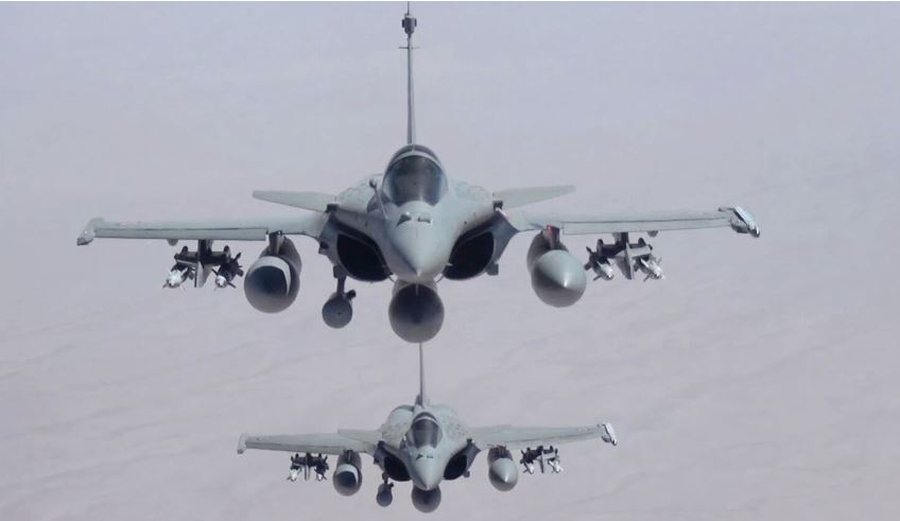
States in Europe almost doubled their imports of major weapons between 2014-2018 and 2019-2023. As for exports, the United States and France lead, while Russia's exports have declined.
This was stated in the report of the International Peace Research Institute (SIPRI), published on March 11.
According to the report, the US has increased its arms exports by 17 percent between 2014-2018 and 2019-2023. SIPRI said that Russia for the first time is the third largest arms exporter, after France.
About 55 percent of weapons imported by European countries in the period 2019-2023 were from the United States, a figure that is much higher compared to 35 percent in the previous period 2014-2018.
"Over half of arms imports from European countries come from the US," SIPRI director Dan Smith said, "yet, at the same time, Europe is responsible for almost a third of world arms exports, including large volumes going outside the region, reflecting the strong capability of Europe's military industry".
"Many factors shape the decisions of European NATO countries to import from the US, especially the goal of maintaining transatlantic relations alongside more tactical, military and cost-related issues. If transatlantic relations change in the coming years, European arms procurement policies may also be modified," added Smith.
Arms exports
While the report said the US experienced a 17 percent increase in exports between 2014-2018 and 2019-2023, its share of total global arms exports rose from 34 to 42 percent.
From 2019 to 2023, the US exported major weapons to 107 countries around the world, more than any previous five-year period and more than any other arms exporter. The US and Western European countries together accounted for 72 percent of all weapons exported in this period, up from 62 percent in 2014-2018.
"The United States has increased its role as an arms supplier — an important aspect of its foreign policy — by exporting more weapons to more countries than ever before," said Mathew George, director of the Program on Arms Transfers. arms in Cyprus.
"This is happening at a time when US economic and geopolitical dominance is being challenged by emerging powers."
As for France, it became the world's second largest arms exporter for the first time, with an increase of 47 percent between the periods 2014-2018 and 2019-2023.
Paris has sold most of its weapons to Asia and Oceania (42 percent), followed by the Middle East, where it has exported 34 percent of its weapons.
The largest recipient of French arms is India, with almost 30 percent. SIPRI said the increase in arms exports from France was mainly due to deliveries of fighter jets to India, Qatar and Egypt.
"France is taking advantage of high global demand to grow its arms industry through exports," said SIPRI researcher Katarina Gjokovic. "France has been particularly successful in selling fighter jets outside of Europe."
Arms exports to Russia have fallen by 53 percent in the two periods covered by the report. This decline has been rapid over the past five years, and while Russia exported to 31 countries in 2019, in 2023 Russian weapons were sent to only 12 countries, the SIPRI report said.
States in Asia and Oceania received 68 percent of total Russian arms exports in 2019-2023, while India alone received 34 percent and China 21 percent.
If you look at the other ten exporters after the USA, France and Russia, two of them have had an increase in exports, Italy with 86 percent and South Korea with 12 percent. Meanwhile, five countries have seen declines in arms exports: China (-5.3 percent), Germany (-14 percent), the United Kingdom (-14 percent), Spain (-3.3 percent) and Israel (-25 percent).
Huge increase in arms imports to Europe
In the report titled "Arms Transfer Trends 2023", as regards arms imports to Europe, it was said that they have increased by 94 percent in the two periods mentioned in the report. This is the fourth largest increase in the world, as at least 30 countries have provided arms as military aid to Ukraine since 2022, when Russia also launched its unprovoked invasion of the country.
According to the report, 55 percent of weapons imported by European countries in 2019-2023 were supplied by the US, or an increase of 35 percent compared to the previous period. The biggest buyers in the region were Germany and France with 6.4 and 4.6 percent, respectively.
"With many high-value weapons having been ordered - including almost 800 combat aircraft and helicopters - European arms imports are likely to remain at high levels," said Pieter Wezeman, senior researcher at SIPRI. "In the last two years, we have also seen a much greater demand in Europe for air defense systems, driven by the Russian missile campaign against Ukraine."
Of the countries of the Western Balkans region, only Serbia is found in the SIPRI report in the part of recipients of arms imports. According to the report, it was the recipient of 22 percent of the arms imports of Belarus, or the second country after Vietnam.
Sa i përket Azisë, 37 për qind e të gjitha dërgesave me armë shkuan në shtetet aziatike dhe në Oqeani, që është përqindja më e lartë për një rajon të vetëm. Megjithatë, kjo shifër paraqet rënie prej 41 për qind krahasuar me vitet 2014-2018.
Por, për herë të parë në një çerek shekulli, SHBA-ja u bë furnizuesja më e madhe e Azisë dhe Oqeanisë me armë me 34 për qind të importeve në shtetet e këtij rajoni, krahasuar me Rusinë që pati 19 për qind dhe Kina 13 për qind të importeve.
SIPRI tha se India është importuesja më e madhe në botë e armëve, me një rritje të importeve prej 4.7 për qind. Edhe pse Rusia është furnizuesja kyçe e Nju Dehlit, për herë të parë që nga vitet 1960-1964, armët e Moskës përbëjnë më pak se gjysmën e importeve të armëve të Indisë. Po ashtu, Pakistani, që është importuesi i pestë në botë i armëve, sipas SIPRI-t shënoi një rritje prej 43 për qind. Kina është furnizuesja kyçe e Pakistanit me 82 për qind të importeve.
Po ashtu, dy fqinjët e Kinës, Japonia dhe Koreja e Jugut kanë rritur importin e armëve me 155, respektivisht 6.5 për qind. Ndërkaq, importet e armëve nga Pekini u tkurrën me 44 për qind, kryesisht për shkak se importet – që kryesisht vinin nga Rusia – u zëvendësuan me sisteme të prodhuara brenda vendit.
“Ka pak dyshim që nivelet e larta të importeve të armëve nga Japonia dhe aleatët e tjerë të SHBA-së në Azi dhe Oqeani janë ndikuar kryesisht nga një faktor kyç: shqetësimi mbi ambiciet e Kinës”, tha hulumtuesi i SIPRI-t, Siemon Wezerman.
Ndërkaq, sa i përket Lindjes së Mesme, 30 për qind e dërgesave ndërkombëtare të armëve shkuan në shtetet e këtij rajoni. Në dhjetëshen kryesore të importuesve, tre janë nga ky rajon: Arabia Saudite, Katari dhe Egjipti. Riadi është importuesi i dytë më i madh në botë i armëve me 8.4 për qind të importeve botërore, por kjo nënkupton rënie prej 28 për qind krahasuar me periudhën paraprake. Katari, importuesi i tretë më i madh në botë, në periudhën 2019-2023 ka rritur importet me 396 për qind.
Edhe në këtë rajon, furnizuesja kryesore e armëve është SHBA-ja (52 për qind), pasuar nga Franca (12 për qind), Italia (10 për qind) dhe Gjermania (7.1 për qind).
SIPRI tha se nëse merret në përgjithësi rajoni i Lindjes së Mesme, aty është shënuar rënie e importeve, megjithatë ato janë të larta në disa shtete, kryesisht për shkak të tensioneve dhe konflikteve rajonale.
“Shumica e armëve të importuara në dhjetë vjetët e fundit janë përdorur gjerësisht në konfliktet në rajon, përfshirë në Gaza, Libi dhe Jemen. Disa shtete të rajonit të Gjirit kanë importuar volume të mëdha armësh për t’i përdorur kundër rebelëve të Huthit në Jemen dhe për të luftuar ndikimin iranian”, tha hulumtuesi i SIPRI-t, Zain Hussain.
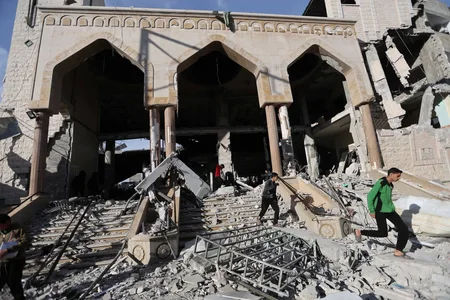
Këto shifra për rajonin e Lindjes së Mesme, publikohen në kohën kur në këtë rajon po zhvillohet një luftë e përgjakshme mes Izraelit dhe Hamasit – grupit palestinez të shpallur organizatë terroriste nga SHBA-ja dhe Bashkimi Evropian – në Rripin e Gazës.
Tensions have risen even more in the region, as in Lebanon, the militant group Hezbollah - which, like Hamas, is also supported by Iran - is exchanging fire on the border with Israel on an almost daily basis.
Meanwhile, Houthi rebels in Yemen are attacking US and British navy and merchant ships in the Red Sea in solidarity with the Palestinians in Gaza.







Lini një Përgjigje