


 Shkruar nga Pamfleti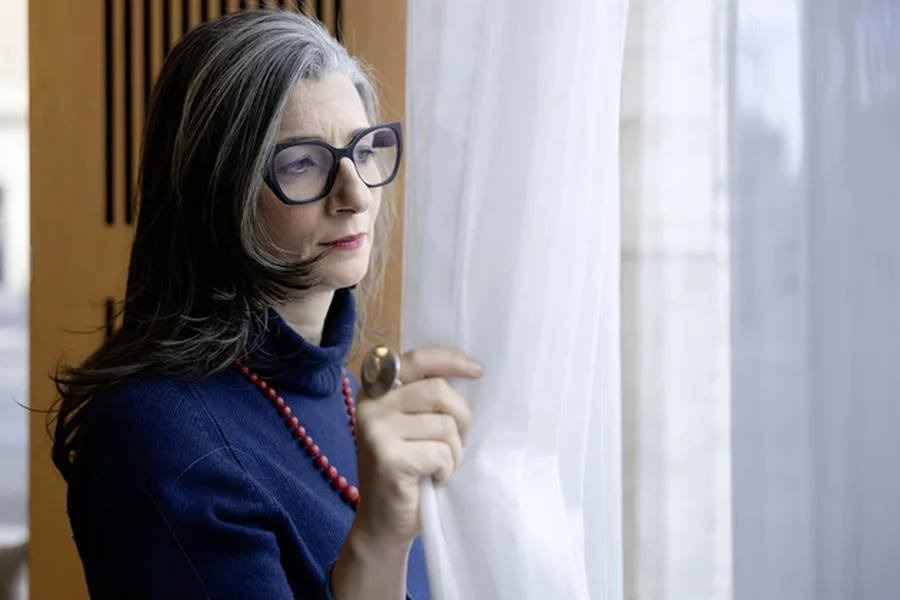
Federal court ruling finds Trump administration measures violate freedom of expression
A US federal judge has blocked sanctions imposed by the Trump administration against Francesca Albanese, the United Nations special rapporteur on Palestinian rights, who had called for investigations and prosecutions of Israeli officials over actions in Gaza.
US Secretary of State Marco Rubio imposed sanctions on Albanese in July last year, based on an executive order signed by President Donald Trump. The order authorized measures against individuals deemed directly involved in the International Criminal Court's (ICC) investigations into alleged crimes in Gaza.
But in his ruling released on Wednesday, U.S. District Judge Richard Leon declared that the sanctions violate the First Amendment of the U.S. Constitution, as they are based solely on the fact that Albanese had encouraged the ICC to investigate and prosecute the case.
“Albanese has done nothing more than speak,” Leon wrote in the 26-page ruling. “It is indisputable that her recommendations have no binding effect on the ICC’s actions, they are only her opinion.”
Lawyers for the US Department of Justice argued that Albanese, an Italian citizen living in Tunisia with her family, does not enjoy protection under the First Amendment, as she is not an American and made the statements outside the US.
However, Judge Leon found that her "extensive" ties to the US, including a daughter born while the family lived in Washington and a property the family owns there, give her grounds to claim freedom of expression protection.
Albanese and her husband, World Bank economist Massimiliano Cali, stated that the sanctions had practically excluded them from the international banking system, made it impossible for them to travel to the US, and had also led to the refusal of payments by health insurance for services received by Albanese.
The Trump administration argued that special licenses issued for certain transactions related to the family's property in Washington and for "necessary" support for their US-citizen daughter mitigated the impact of the sanctions.
Judge Leon rejected this argument, calling the scope of these licenses unclear. He also found that the so-called “parental license” interfered with the “constitutionally protected” relationship between the Albanian woman and her daughter.
In his decision on the sanctions, Rubio had accused Albanese of “blatant anti-Semitism.” She has denied these accusations and stated that some circles in Israel are using allegations of anti-Semitism to justify war crimes.
The Israeli government denies committing war crimes in Gaza and has described the International Criminal Court process as biased.
The White House referred requests for comment to the State Department, which did not immediately respond. The Justice Department also did not comment.
In a statement after the ruling, Albanese said the court had confirmed her faith in the American justice system.
"The fact that the court finds that sanctions may violate American constitutional rights vindicates me," she declared.


Lini një Përgjigje