


 Shkruar nga Pamfleti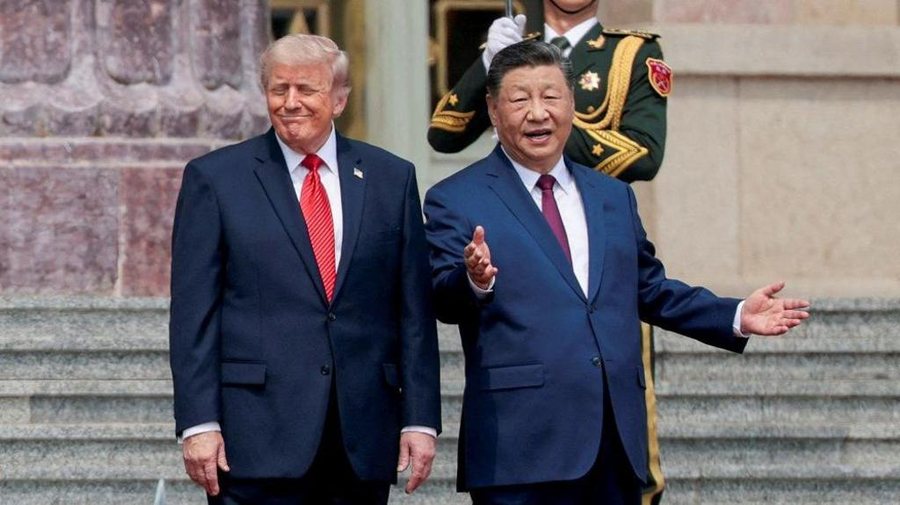
The visits of American presidents to Beijing reflect the changing global balance and the transformation of China into a world power...
When Richard Nixon went to Beijing in 1972, it was a big gamble. He believed that a diplomatic opening to the communist government and a loosening of ties with Taiwan would serve American interests. Subsequent visits by American presidents to China have relied on this logic. Chinese leaders, on the other hand, saw the summits as a way to ease tensions, present their core interests, and offer hope for stronger relations in the future.
These visits are part of a history of alternating periods of tension and rapprochement in relations between the two countries, from the dark period after the Tiananmen Square massacre to the optimistic atmosphere when China joined the World Trade Organization in 2001 and became the engine of the global economy.
Throughout this time, American presidents hoped that integration through trade would one day bring about political change in Beijing. But as China’s power grew and the Chinese state became more assertive, many analysts argue that the dynamics of the summits changed. Many Chinese officials and analysts now see the United States as a country in irreversible decline.
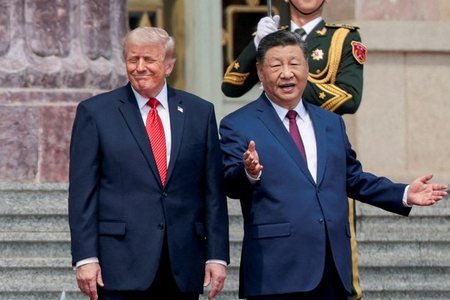
Ahead of his arrival in Beijing on Wednesday, US President Donald Trump posted online that he planned to ask Xi Jinping, whom he called "a leader of extraordinary distinction," to "open up" China, a phrase that reflects how US presidents have handled the relationship with China for more than half a century.
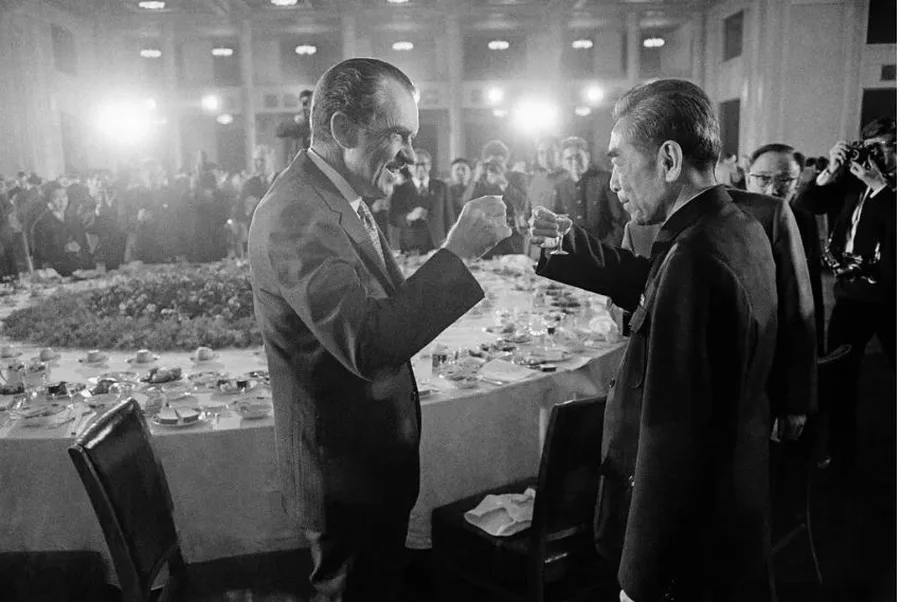
1972 – Richard Nixon
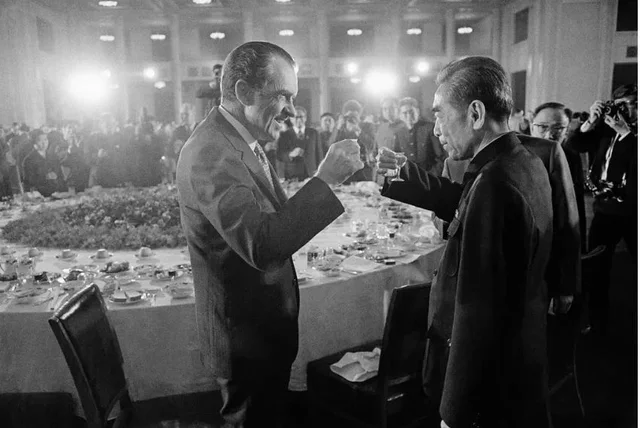
Nixon's visit to China is considered one of the most important foreign trips by an American president since World War II. It came after Henry Kissinger, the national security adviser, had secretly visited Beijing the year before to explore the possibility of a diplomatic opening with Mao Zedong and Premier Zhou Enlai.
The United States had not had formal relations with the People's Republic of China since its founding in 1949 and recognized the Nationalist government of Taiwan as the legitimate government. However, the rift between the Soviet Union and China created the conditions for the Nixon administration to approach Beijing.
Nixon's visit produced symbolic moments, including his walk on the Great Wall of China, where he declared: "This is a great wall and it was built by a great people." Later, the arrival of pandas at the National Zoo in Washington became a symbol of rapprochement between the two countries.
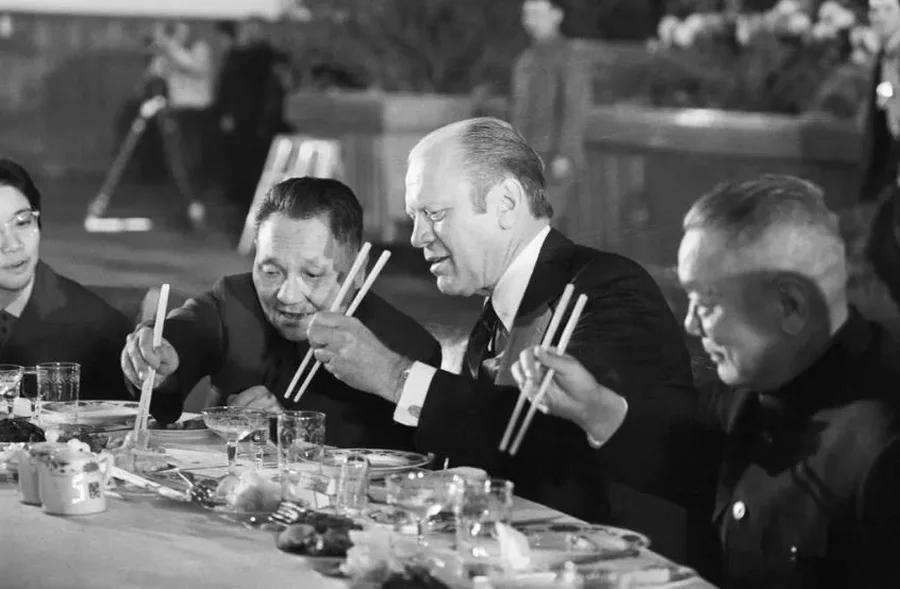
1975 – Gerald Ford
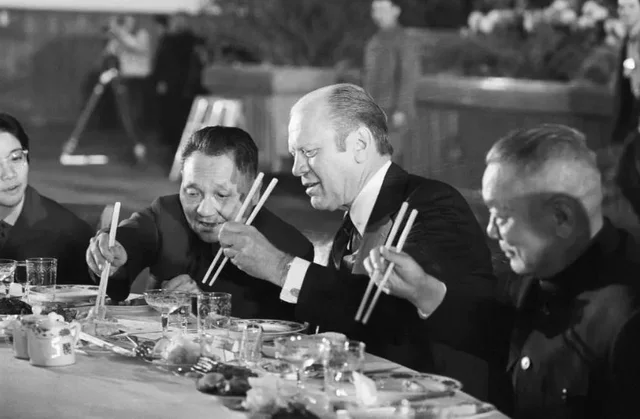
Presidenti Gerald Ford zhvilloi një vizitë pesëditore në Kinë në dhjetor 1975, dhjetë muaj para vdekjes së Mao Ce Dunit. Kina ndodhej ende në fazën përfundimtare të Revolucionit Kulturor, periudhë që kishte shkatërruar themelet sociale, ekonomike dhe politike të vendit.
Megjithatë, Partia Komuniste mbetej e angazhuar në afrimin me SHBA-në dhe bisedimet e asaj kohe hapën rrugën për normalizimin e marrëdhënieve në vitin 1979 nga presidenti Jimmy Carter.
1984 – Ronald Reagan
Kur Ronald Reagan vizitoi Kinën në vitin 1984, ai nuk përdori ndaj Pekinit gjuhën konfrontuese që përdorte kundër Bashkimit Sovjetik. Reagan veproi si pragmatist, duke shtyrë përpara diskutimet mbi tregtinë, e cila më vonë do të bëhej shtylla kryesore e marrëdhënieve SHBA-Kinë.
Pas vizitës, ai deklaroi se ishte inkurajuar nga “fryma e tregut të lirë” që po hynte në ekonominë kineze.
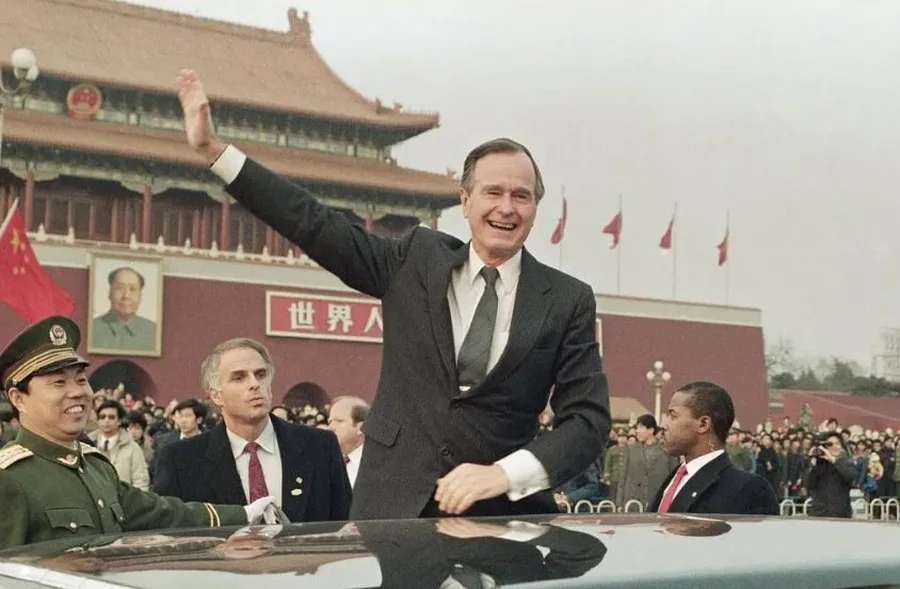
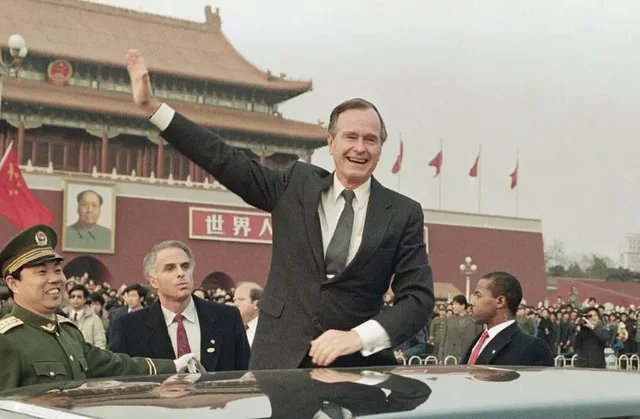
1989 – George H.W. Bush
Presidenti George Bush i vjetër mbërriti në Pekin në shkurt 1989 duke u rikthyer në një vend që e njihte mirë. Ai kishte shërbyer më parë si drejtues i Zyrës Ndërlidhëse amerikane në Pekin, para vendosjes së marrëdhënieve diplomatike të plota.
Marrëdhëniet SHBA-Kinë po forcoheshin, por protestat dhe masakra në sheshin Tiananmen do t’i komplikonin rëndë ato më vonë gjatë atij viti.
Gjatë vizitës së Bushit ndodhi edhe një episod domethënës: autoritetet kineze hoqën nga lista e të ftuarve disidentin dhe astrofizikanin Fang Lizhi. Pas shtypjes së protestave në Tiananmen, Fang dhe bashkëshortja e tij u strehuan për 13 muaj në ambasadën amerikane në Pekin.
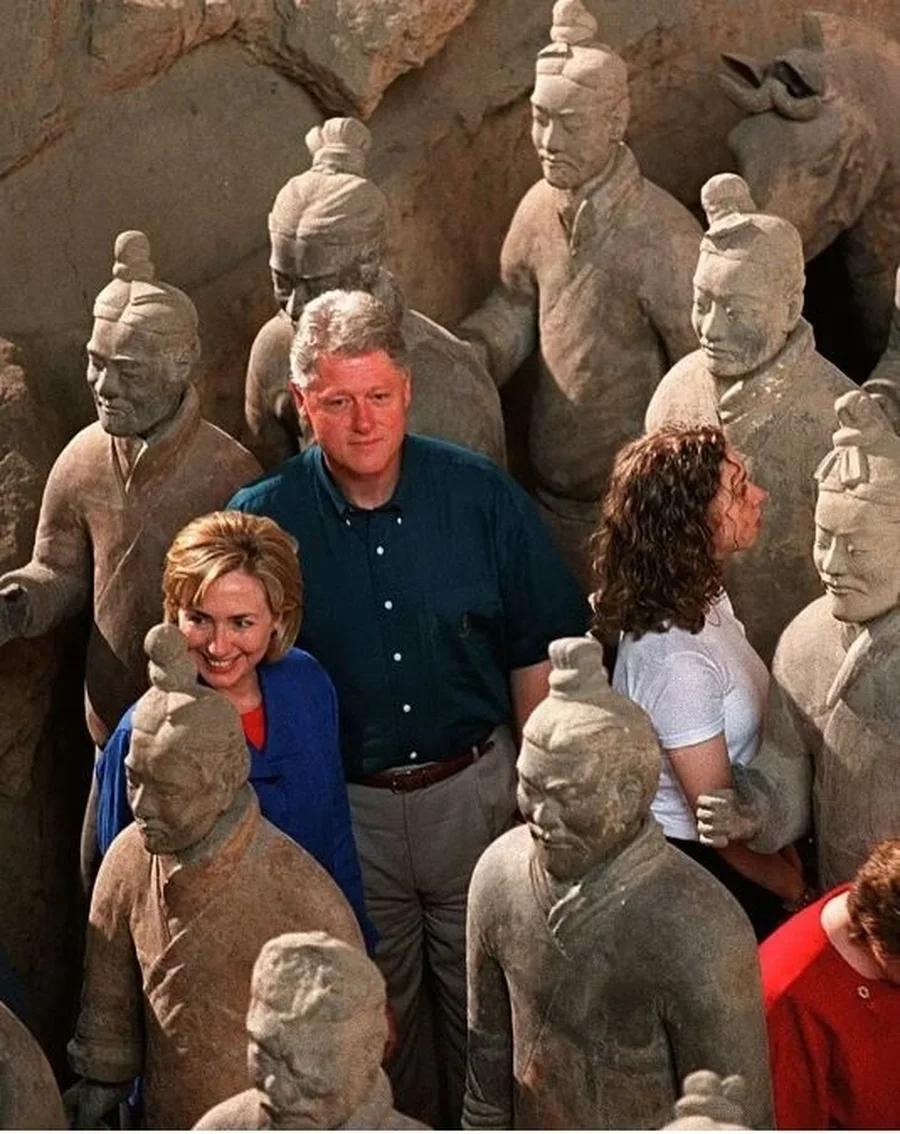
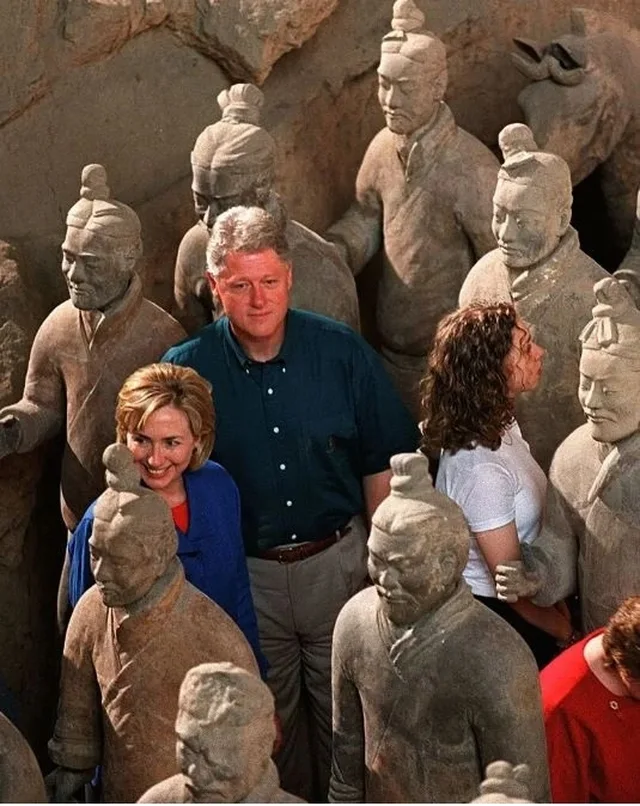
1998 – Bill Clinton
Vizita e Bill Clintonit në Kinë u zhvillua në një periudhë kur SHBA-ja dominonte rendin global pas rënies së Bashkimit Sovjetik. Uashingtoni besonte se Kina po afrohej gradualisht me sistemin ekonomik dhe politik ndërkombëtar.
Presidenti Jiang Zemin tregoi gatishmëri për afrimin me SHBA-në. Ai foli anglisht në disa dalje publike dhe madje recitoi pjesë nga fjalimi i Gettysburgut i Abraham Lincolnit në një intervistë për CBS News.
Gjatë vizitës së Clintonit, Jiang njoftoi papritur se konferenca e përbashkët për shtyp do të transmetohej drejtpërdrejt. Studiuesi Orville Schell e përshkroi atë si “ndërveprimin më të jashtëzakonshëm” mes liderëve amerikanë dhe kinezë që kishte parë ndonjëherë.
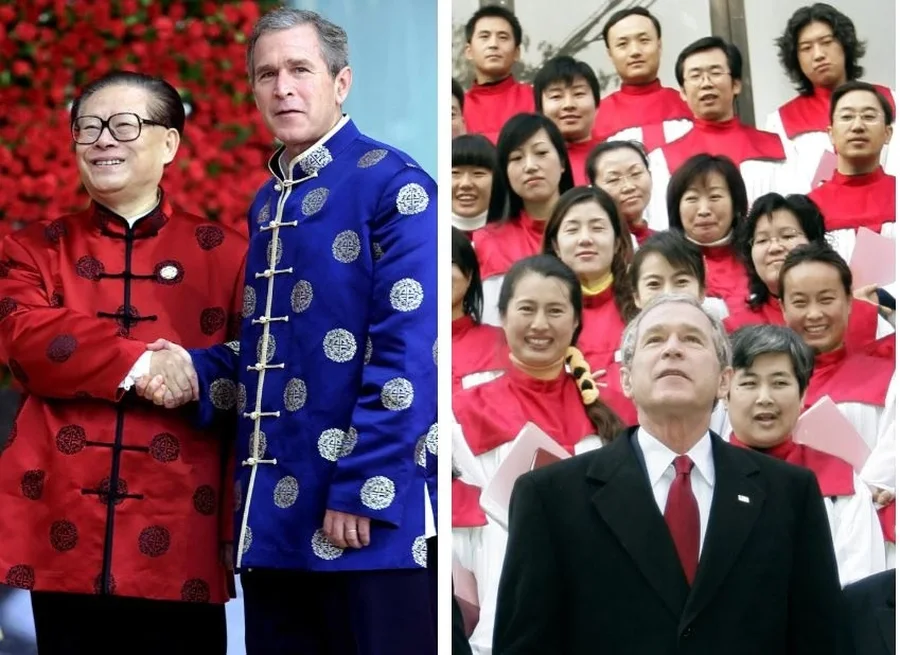
2001, 2002, 2005, 2008 – George W. Bush
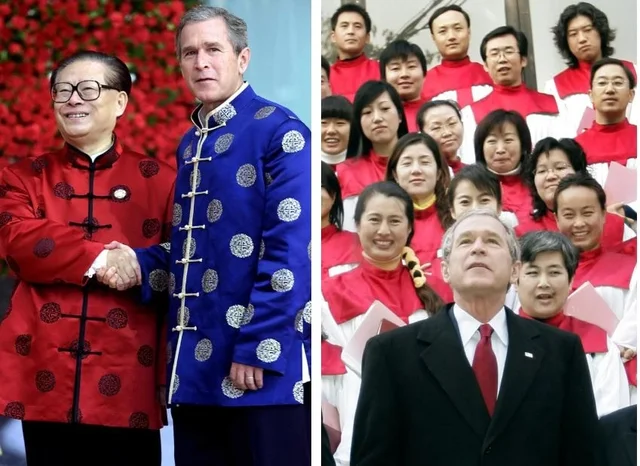
Presidenti George W. Bush mori pjesë në ceremoninë hapëse të Lojërave Olimpike të Pekinit në vitin 2008, një moment simbolik që shumë e interpretuan si daljen e Kinës në qendër të skenës globale.
Ekonomia kineze po rritej me shpejtësi pas hyrjes në Organizatën Botërore të Tregtisë. Por kriza financiare globale dhe lufta në Irak forcuan bindjen e shumë zyrtarëve kinezë se Perëndimi kishte hyrë në fazë dobësimi.
Historiani John Delury deklaroi se viti 2008 konsiderohet shpesh si pika e kthesës kur Kina fitoi një nivel të ri vetëbesimi.
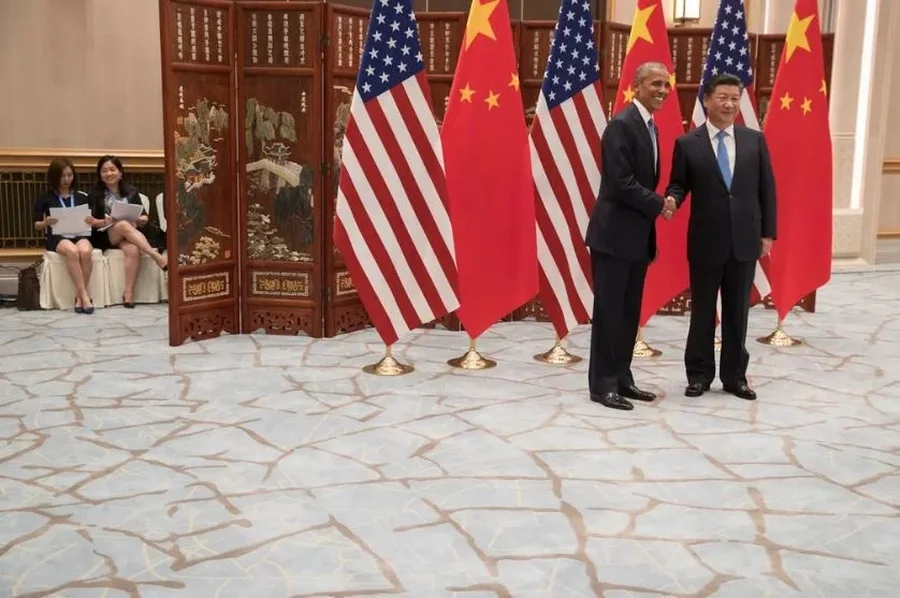
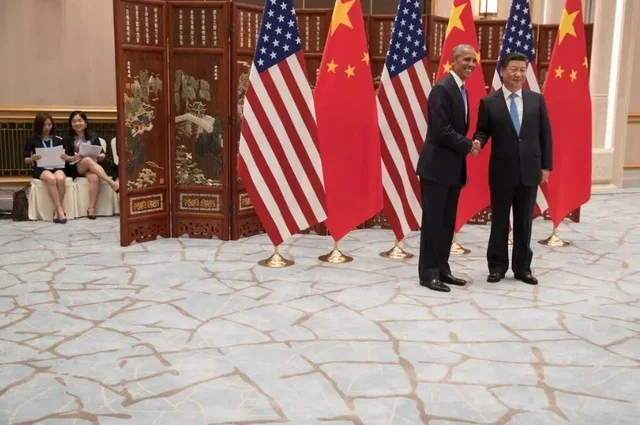
2009, 2014, 2016 – Barack Obama
Barack Obama's first visit to Beijing in 2009 took place in the shadow of the global financial crisis. While the US was grappling with the economic fallout, China continued to grow thanks to stimulus packages.
Obama discussed climate and the Iranian nuclear program with the Chinese leadership. Evan Medeiros, a former National Security Council official, said the Obama administration sought “a new balance between competition and cooperation.”
In 2014, Obama returned to Beijing for an Asian economic summit and held talks with Xi Jinping. By then, relations had deteriorated significantly due to Chinese military activities and accusations of cyber espionage.
On his last visit in 2016, the US presidential plane in Hangzhou was not equipped with the standard front landing step. Many observers interpreted this as a sign of China's growing self-confidence and a lack of respect for the US.
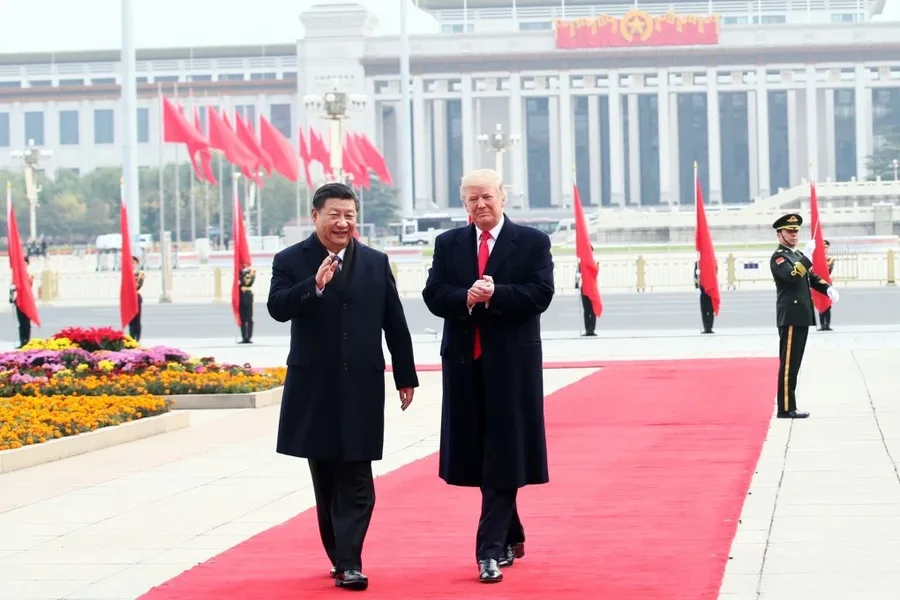
2017 – Donald Trump
Donald Trump criticized China during the 2016 presidential campaign, particularly over trade practices. His visit to Beijing took place in a climate where the US sought to limit the effects of globalization and reduce industrial dependence on China.
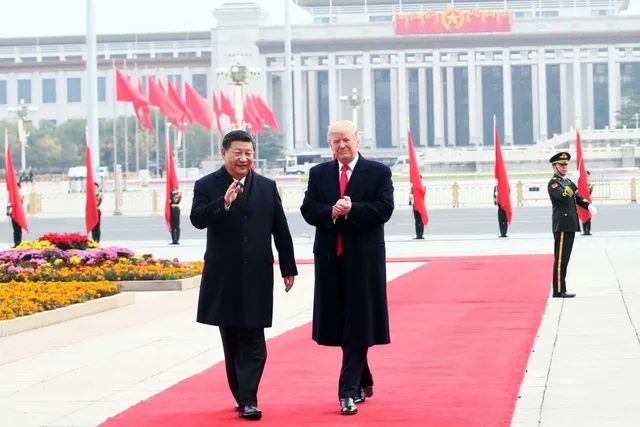
During the trip, Trump called Xi Jinping “a very special man.” The two leaders strolled together in the Forbidden City and announced new trade and investment deals.
However, just a few months later, in January 2018, Trump launched a trade war with China. The economic conflict dominated much of his first term, along with the COVID-19 pandemic, which many experts said originated in China.
Relations between the two countries became even more difficult, although Trump avoided criticizing Beijing on democracy and human rights, an approach that was welcomed by the Chinese leadership. /Adapted from the New York Times /




Lini një Përgjigje