


 Shkruar nga Pamfleti
Orban's position is not surprising as he is generally considered the most pro-Russian of EU leaders and one of the high-profile EU politicians to meet with Russian President Vladimir Putin since the unprovoked invasion of Ukraine.
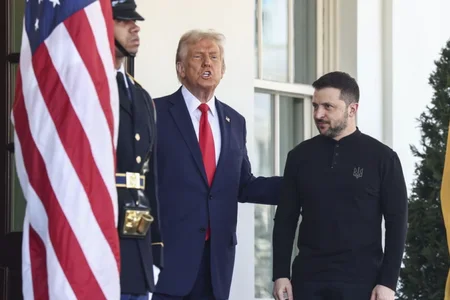
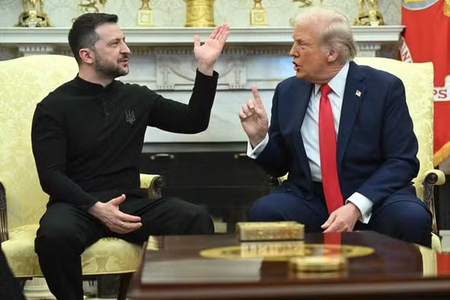
European politicians, who have until now supported or reluctantly aligned themselves with the EU-US consensus on Ukraine's fight against Russia, have turned against the policies since Donald Trump took control of the White House. And their stance has been much harsher since Trump's public clash with Ukrainian President Volodymyr Zelensky on February 28.
Verbal attacks by Trump and his associates on the Ukrainian president in the Oval Office led to increased support from most – but not all – EU leaders.
Taking a markedly different line was Hungarian Prime Minister Viktor Orban, whose country holds the rotating presidency of the Council of the EU this year.
Orban's position is not surprising as he is generally considered the most pro-Russian of EU leaders and one of the high-profile EU politicians to meet with Russian President Vladimir Putin since the unprovoked invasion of Ukraine.
In a letter to European Council President Antonio Costa, Orban encouraged the EU to adopt an approach similar to that of the US under Trump, engaging directly with Moscow.
"I am convinced that the European Union - following the example of the United States - should enter into direct discussions with Russia for a ceasefire and lasting peace in Ukraine," Orban said in the letter, which was made public on the Hungarian government's website.
Acknowledging "strategic differences" between EU member states over their approach to the Ukraine war, Orban also indicated that he could block a proposed 20 billion euro fund aimed at purchasing air defense and missile systems for Ukraine, which is being cut off from US aid.
Bulgaria's President Rumen Radev, also considered a pro-Russian figure, sided with Trump after the clash with Zelensky, saying the meeting "exposed the truth" about the war in Ukraine.
Radev wrote on his Facebook profile that Trump is trying to achieve an immediate end to the war, seeking ways to achieve this through diplomacy, while the second approach, which he claimed was represented by Zelensky, was to continue the war regardless of the costs, “with open attempts to involve NATO in the war and the risk of World War III.”
“Fatkeqësisht, shumë politikanë evropianë ende nuk mund të largohen nga kuadri i ngushtë ideologjik dhe të kuptojnë natyrën dhe perspektivën e vërtetë të kësaj lufte. Ata vazhdojnë të besojnë në një lloj utopie se Rusia do të mposhtet dhe kështu do ta shtyjë Ukrainën drejt katastrofës. Vazhdimi i armiqësive tani e tutje shoqërohet vetëm me më shumë vdekje, shkatërrim dhe, padyshim dhe në mënyrë të pashmangshme, humbje edhe më të mëdha të territorit”, ka shkruar Radev.
Përpara takimit mes Trump dhe Zelensky, një tjetër president i Evropës Juglindore, Zoran Milanovic, i Kroacisë, gjithashtu e bëri të qartë qëndrimin e tij me kritika të forta për trajtimin e luftës nga Evropa në një takim me homologen e tij sllovene Nataša Pirc Musar, më 26 shkurt.
Milanovic është përplasur shpesh me qeverinë kroate për mbështetjen e saj për Ukrainën dhe është etiketuar si "armik i Ukrainës" nga faqja e internetit Myrotvorets me bazë në Kiev.
Serbia fqinje ka kërkuar prej kohësh të balancojë marrëdhëniet e saj midis Rusisë dhe Perëndimit – me sukses të kufizuar që kur pushtimi rus i Ukrainës shkaktoi presion në rritje për Beogradin për të zgjedhur një anë.
Në një incident mjaft të çuditshëm, presidenti serb Aleksandar Vuçiç votoi në favor të një rezolute të OKB-së që mbështet integritetin territorial të Ukrainës dhe bën thirrje për një paqe të drejtë dhe të qëndrueshme në Ukrainë më 24 shkurt. Megjithatë, të nesërmen, Vuçiç u kërkoi falje publike qytetarëve të Serbisë duke thënë se ishte i lodhur dhe kishte votuar "gabimisht".
Rezoluta u propozua nga Ukraina dhe u mbështet nga vendet evropiane, ndërsa Rusia dhe SHBA votuan kundër.
Në Gjeorgji, kryeministri Irakli Kobakhidze i uroi Donald Trumpit "qëndrueshmëri dhe guxim" në "betejën e tij të vështirë" kundër të ashtuquajturës "Partia e Luftës Globale" pas përplasjes së 28 shkurtit me Zelenskyn.
"U bë gjithashtu e qartë se "partia globale e luftës" dhe "shteti i thellë" nuk do ta lënë lehtësisht luftën," tha Kobakhidze, duke iu rikthyer një teme që përdoret zakonisht nga partia qeverisëse Ëndrra Gjeorgjiane për të kritikuar kundërshtarët e saj brenda dhe jashtë vendit.
Qëndrimet e marra nga politikanët kryesorë në vendet nga Hungaria në Gjeorgji kanë shkaktuar reagime shkaktuar reagime të forta nga rivalët e tyre vendas.
Duke folur pas takimit të diskutueshëm midis Trump dhe Zelensky, udhëheqësi i opozitës hungareze Peter Magyar paralajmëroi që vendi i tij të mos bëhet "kolonia e parë e përbashkët ruso-amerikane".
Si në Bullgari ashtu edhe në Kroaci, presidentët janë përplasur në mënyrë të përsëritur me politikanë të tjerë që po ndjekin një pozicion më të ashpër kundër Rusisë dhe mbështetje më aktive për Ukrainën.
Reagimi i kryeministrit bullgar Rosen Zhelyazkov ndaj sherrit ishte i kundërt me atë të Radevit; “Ukrainë, ji e guximshme, ji e fortë. Ne ju qëndrojmë pranë”, ka shkruar ai në X.
Da Bulgaria, part of the opposition coalition, Democratic Bulgaria, went further, linking Ukraine's defense to Bulgaria's own security.
"For us it is categorical that the Bulgarian national interest requires blocking Russia's attempts to impose its dominance in the region and resolutely repelling any attempt at a policy of dividing Europe into spheres of influence. Bulgaria must actively participate in joint European actions to support the efforts of Ukraine and President Zelensky to repel Russian aggression," the party wrote on its Viber channel.
Similarly in Georgia, former President Salome Zourabichvili, seen by much of the international and domestic community as the country's sole legitimate leader after the contested October 2024 parliamentary elections, accused Trump of "surrendering" America to Putin's Russia.
Helen Khoshtaria, one of the leaders of the opposition Coalition for Change, expressed her support for the Ukrainian leader in X after the meeting at the White House, declaring that "Volodymyr Zelensky is a hero and freedom in the world owes a lot to him!". / Adapted Pamphlet from IntellNews/


Lini një Përgjigje