


 Shkruar nga Pamfleti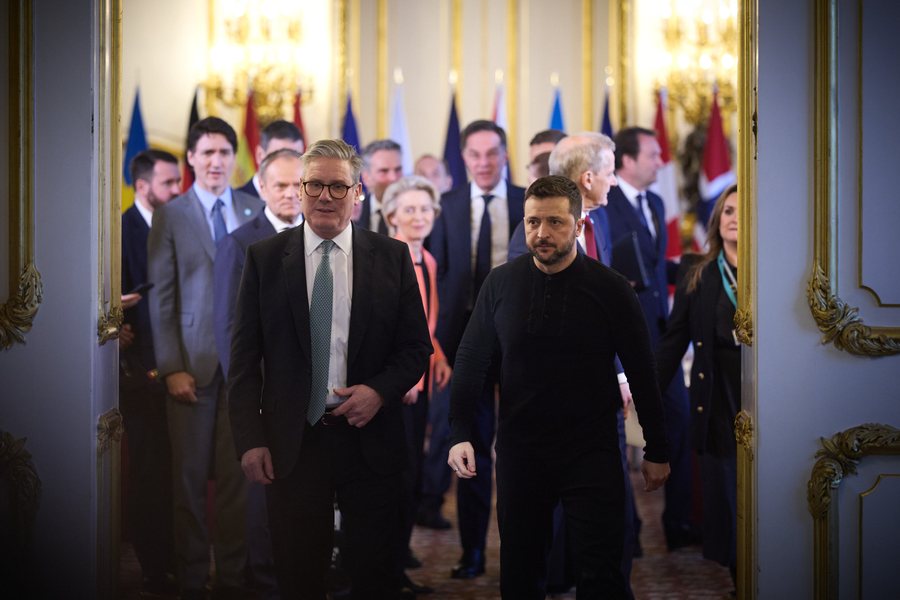
The Prime Minister has said that the United Kingdom, France and Ukraine will work together on a peace agreement that could be presented to the US.
A “coalition of the willing” could provide European boots on Ukrainian soil in the event of a ceasefire. The phrase was a central theme of Sir Keir Starmer’s speech as European leaders gathered in London for crucial talks on the future of Ukraine.
Led by the UK and France, the initiative could see troops from a number of European and NATO countries deployed to Ukraine as peacekeepers, in order to deter Vladimir Putin from rearming and attacking again in the future.
Sir Keir said Europe "must do the heavy lifting" on defence and indicated that several countries had expressed interest in being part of the coalition.
But who is inside, who is outside, and what is hidden behind these last words?
What is a coalition of volunteers?
The Prime Minister has said that the United Kingdom, France and Ukraine will work together on a peace agreement that could be presented to the US.
Countries committed to working together on this agreement would form a "coalition of the willing."
Countries in the coalition could end up sending soldiers to act as peacekeepers in Ukraine in the event of a ceasefire.
Military analyst Michael Clarke said: " It has to be a coalition of the willing because you have at least two NATO members - Slovakia and Hungary - who are vetoing anything Putin doesn't want... it's the same with the EU."
This approach would allow NATO members to act in a group, but not under the NATO umbrella, avoiding vetoes from member countries that do not approve or wish to be involved.
Also interesting is Sir Keir's choice of the term "coalition of the willing." Perhaps it is intended to remind American audiences of the previous use of the same phrase: when Great Britain, Poland, and other countries joined the US invasion of Iraq.
Russia has so far rejected the idea of any NATO or European peacekeeping force in Ukraine.
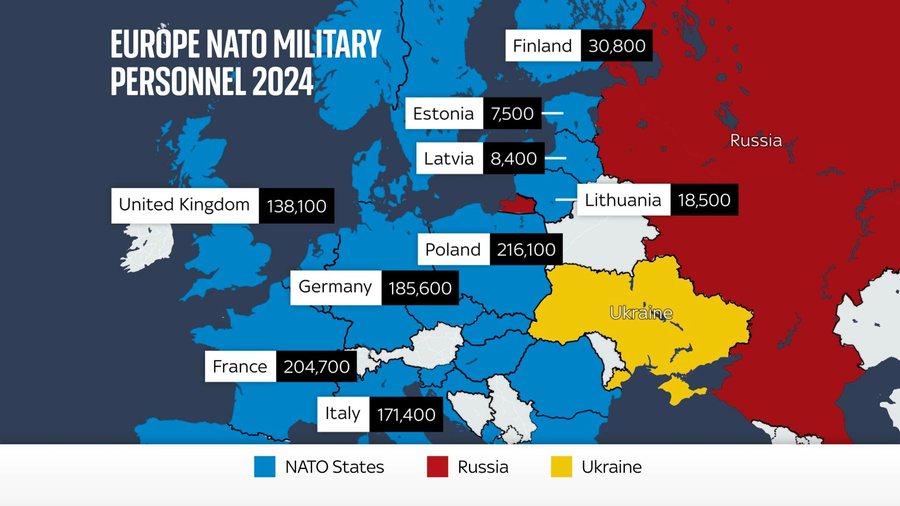
Who is within this initiative?
Sir Keir is being " quite secretive about who is willing" , says Prof Clarke.
The initiative is led by the UK and France, so it seems a safe bet that both countries would be involved in the coalition. Both have powerful militaries, and both nations are also the only countries in Europe with nuclear weapons.
"The important thing is that Britain and France will lead it, because they are the two most important military powers in Europe ," Prof Clarke told Sky News.
Është e dukshme që presidenti i Francës Emmanuel Macron fillimisht ngriti mundësinë e trupave franceze në Ukrainë vitin e kaluar, kur ai refuzoi ta përjashtonte atë. Shtetet baltike - Estonia, Lituania dhe Letonia - gjithashtu ka të ngjarë të përfshihen, së bashku me Finlandën. Të katër vendet janë në NATO dhe ndajnë kufijtë me Rusinë.
Italia gjithashtu mund të përfshihet, megjithëse kryeministrja Giorgia Meloni është përplasur me Macron për idenë javën e kaluar. Jo në Evropë, por një anëtare e NATO-s, Kanadaja duket një tjetër kontribues i mundshëm në koalicionin e të gatshëmve.
Kryeministri Justin Trudeau, i pyetur për një dislokim të mundshëm të trupave si pjesë e një force paqeruajtëse, tha dje: "Kanadaja ka parë mënyrat se si mund të ndihmojë më së miri dhe siç e kam thënë disa ditë më parë, gjithçka është në tryezë."
Kush është jashtë kësaj nisme?
Prof Clarke tha se Polonia, Spanja dhe Gjermania nuk pritet të dërgojnë trupa si paqeruajtës, për arsye të ndryshme. Polonia ka një nga ushtritë më të forta në Evropë dhe synon të shpenzojë 4.7% të PBB-së së saj për mbrojtje këtë vit, shumë mbi objektivin e NATO-s.
Por ajo gjithashtu ka një kufi të gjatë me Ukrainën dhe Bjellorusinë dhe është e shqetësuar për sigurinë e saj.
Kryeministri polak Donald Tusk muajin e kaluar tha: "Ne nuk planifikojmë të dërgojmë ushtarë polakë në territorin e Ukrainës. Ne do t'u japim mbështetje logjistike dhe politike vendeve që ndoshta do të duan të ofrojnë garanci të tilla në të ardhmen, garanci të tilla fizike."
Ministri i Jashtëm i Spanjës Jose Manuel Albares tha muajin e kaluar se ishte "shumë herët për momentin për të folur për vendosjen e trupave në Ukrainë. Nuk ka paqe për momentin dhe duhet të bëhet përpjekje për ta arritur atë sa më shpejt që të jetë e mundur”.
Qeveria e Spanjës është përballur me një sërë krizash në vend dhe shpenzon rreth 1.28% të PBB-së për mbrojtje, shumë më poshtë objektivit të NATO-s prej 2%.
Si ekonomia më e madhe në Evropë, Gjermania është një pjesë thelbësore e çdo reagimi të bashkuar ndaj luftës në Ukrainë. Por një qeveri e re nuk është formuar ende pas zgjedhjeve të muajit të kaluar.
Kancelari në largim Olaf Scholz ka përjashtuar më parë dërgimin e trupave gjermane në Ukrainë si paqeruajtës. Ndërsa qeveria e tij ka ofruar mbështetje thelbësore për Ukrainën që nga pushtimi në shkallë të plotë, ai është parë nga disa si ngurrues - për shembull duke i rezistuar thirrjeve për të dërguar raketat e famshme Taurus në Kiev.
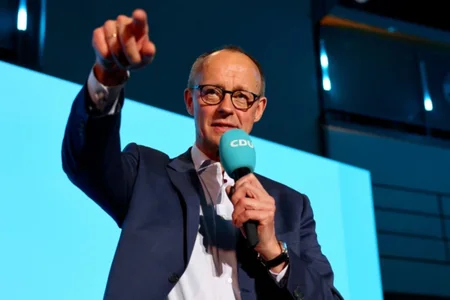
Friedrich Merz, i cili pritet ta zëvendësojë atë si kancelar sapo të vendoset qeveria e re, ka mbajtur një qëndrim më të ashpër, duke përfshirë premtimin e raketave Taurus, kështu që mbetet për t'u parë nëse qëndrimi i tij për vendosjen e trupave do të devijojë gjithashtu nga paraardhësi i tij.
Po Amerika?
The elephant in the room is NATO's largest contributor: the U.S. For example, of the 5,015 fighter jets and ground attack aircraft in NATO, 2,951 are from the U.S., and another 1,108 are U.S.-made, according to the International Institute for Strategic Studies.
And America's military is not only the largest in the world, but its ability to support troops on the ground in terms of logistics is very difficult to replace.
The coalition of ready-made initiatives appears to be designed to show President Donald Trump that Europe is serious about shouldering the defense burden and taking more responsibility for Ukraine's defense.
It should be noted that while the US is the single largest donor to Kiev, Europe as a whole has pledged more, according to the Kiel Institute for the World Economy.
The hope seems to be that the coalition of willing initiative will convince the US as the most powerful military in the world to pledge support as a means of backing up the signing of the peace agreement.
It is still unclear what Washington's response will be, especially after the recent heated meeting between Mr. Trump, Vice President JD Vance and Zelensky./ Adapted from "Pamphlet" by "SkyNews"


Lini një Përgjigje