


 Shkruar nga Diplomatico | Pamfleti.net
The war that is changing the map of the Middle East...
The conflict between Iran, Israel and the United States has entered a dangerous phase of escalation, shifting the clash from limited military operations to an open confrontation with regional and global consequences.
Coordinated US-Israeli airstrikes on strategic targets inside Iranian territory, including areas in Tehran, have caused hundreds of casualties and significant damage to the regime's military and logistical infrastructure. The strikes have been presented by Tel Aviv and Washington as preventive actions against the threat posed by Tehran's military program and armed networks in the region.
Iran's response has been immediate and strategically targeted. The Revolutionary Guard has launched missiles and drones at Israeli interests and US bases in the Persian Gulf, with particular attention focused on energy infrastructure.
Tehran's aim is clear: to hit the economic nerve of its opponents, increasing the cost of war and creating pressure on global energy markets. Explosions have been reported in several parts of the region, while tension has spread beyond Iran's borders.
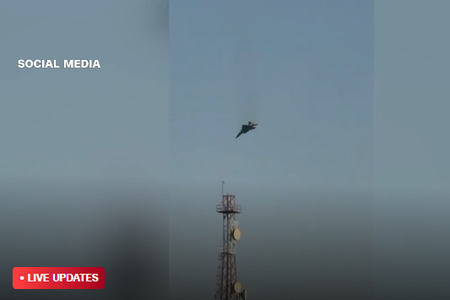
A development that has shocked international opinion is the downing of several US military aircraft in Kuwaiti territory during air operations. Although the pilots survived, the incident signals that the conflict has entered a phase where US forces also face direct operational risks. This significantly increases the likelihood of the conflict escalating and involving other regional actors.
Meanwhile, Hezbollah has opened a parallel front from Lebanon, firing rockets into Israeli territory, prompting strong Israeli counterattacks in southern Lebanon. This multi-front dynamic is turning the crisis into an interwoven regional conflict, where every military move produces chain reactions.
The economic consequences have begun to be felt immediately. Airspace in parts of the Middle East has been restricted, airlines have canceled flights, and financial markets in some Gulf countries have reacted with sharp fluctuations. Energy prices are under pressure, while investors are turning to safe assets in anticipation of further developments.
On the diplomatic front, calls for de-escalation have increased, but the situation on the ground shows a different reality: the parties seem to be testing each other's limits before deciding whether to stop or escalate the conflict into a wider conflict. At this moment, the Middle East is in a delicate balance, where a single incident could become the spark of a war with global consequences./ Pamphlet



Lini një Përgjigje