


 Shkruar nga Pamfleti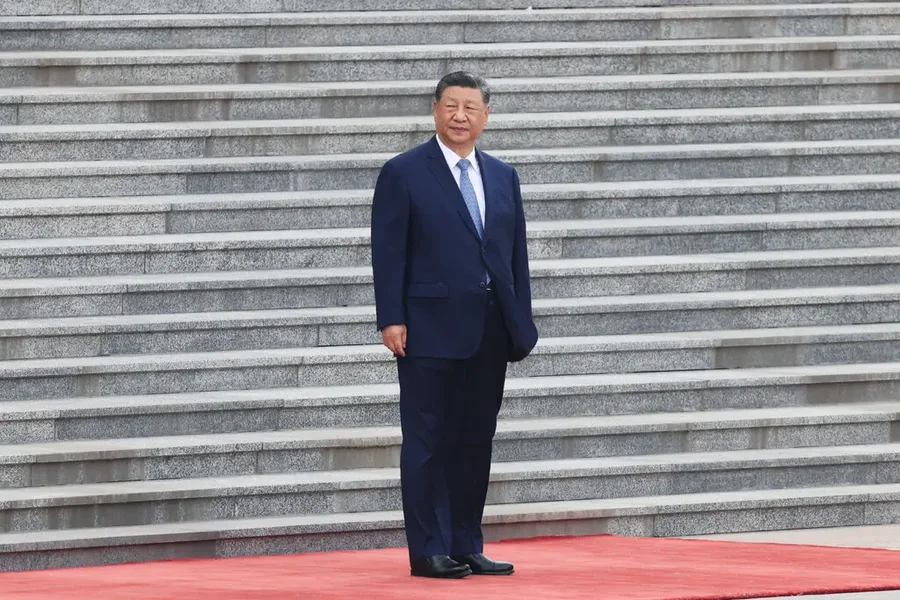
The war in Iran, Taiwan and global rivalry are giving Beijing more confidence in the face of Washington
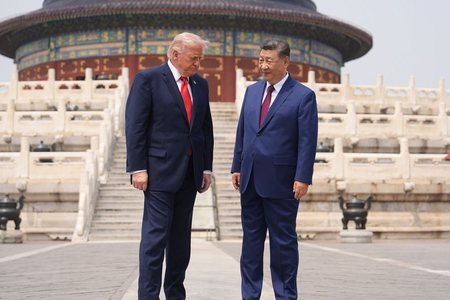
When Xi Jinping met with Donald Trump last year, the Chinese leader entered the negotiations with a significant advantage: China's control over critical minerals and global supply chains. That pressure helped Trump agree to a year-long trade truce between the world's two largest economies.
Today, on the eve of the new summit in Beijing, Xi has another much larger strategic element in his hands, the war in Iran and the consequences it is producing for the United States. While Washington is militarily and politically involved in the Middle East crisis, Beijing is trying to present itself as a factor of stability and diplomatic mediator. Xi Jinping has made public calls for peace and has hosted delegations in Beijing from the Persian Gulf countries and Europe, which seek China's influence to influence Tehran.
Shortly before Trump's arrival in Beijing, Iranian Foreign Minister Abbas Araghchi visited the Chinese capital, a clear signal that Beijing maintains strong ties and significant influence over Iran.
"The Iranian issue actually helps China," said Li Daokui, a prominent economist at Tsinghua University in Beijing. According to him, Beijing has significant economic leverage over Iran and can use it for much larger strategic objectives, especially in relation to Taiwan and the rivalry with the United States.
China sees a distracted America
For the Chinese leadership, the conflict in Iran has exposed the strategic limitations of the United States. The war has forced Washington to shift military resources away from the Indo-Pacific and consume significant reserves of ammunition and equipment. There is a growing belief in Chinese academic and strategic circles that the United States cannot simultaneously handle major conflicts in the Middle East and Asia.
“The conflict with Iran clearly shows that the US cannot support a major war with China over Taiwan,” said Wu Xinbo, a professor of American studies at Fudan University in Shanghai. This is perceived in Beijing as a historic opportunity to increase pressure on Taiwan and test American resolve in the region.
Iran as a bargaining chip
However, China does not want complete destabilization in the Middle East. The Chinese economy is heavily dependent on energy imports, and any sharp increase in oil prices directly affects the country's economic growth.
Një recesion global do të godiste eksportet kineze, të cilat mbeten një nga shtyllat kryesore të ekonomisë së vendit. Për këtë arsye, Pekini po përpiqet të ruajë balancën: të mbështesë Iranin politikisht, por pa u përfshirë drejtpërdrejt në konflikt.
Kina ka inkurajuar zyrtarët iranianë të vazhdojnë negociatat me SHBA-në, por nuk dëshiron të identifikohet si pjesë e një boshti ushtarak kundër Perëndimit. Një nga çështjet më kritike për Pekinin është Ngushtica e Hormuzit, rruga detare përmes së cilës kalon rreth 40 për qind e importeve kineze të naftës.
Sipas Li Daokui, Kina mund të negociojë me SHBA-në për të garantuar mbajtjen e hapur të kësaj rruge strategjike. “Pala kineze mund të arrijë një marrëveshje me SHBA duke thënë: ‘Le të punojmë së bashku për ta bindur Iranin të mbajë të hapur ngushticën’”, tha ai.
Në këmbim, Pekini do të kërkonte garanci se SHBA nuk do të ndërmerrte bllokadë detare ose masa që do të rrezikonin furnizimet kineze me energji.
Analistët besojnë se Kina mund t’i ofrojë Iranit kredi, investime dhe ndihmë për rindërtimin pas luftës për ta orientuar drejt një kompromisi me Perëndimin. Megjithatë, Pekini nuk ka gjasa të ushtrojë presion serioz që Teherani të heqë dorë nga programi i tij bërthamor.
Tajvani mbetet prioriteti kryesor i Xi Jinpingut
Megjithëse lufta në Iran ka rëndësi strategjike, objektivi kryesor i Xi Jinpingut mbetet Tajvani.
Presidenti kinez kërkon të dobësojë gradualisht mbështetjen amerikane për ishullin vetëqeverisës që Pekini e konsideron territor të Kinës. Kjo mund të përfshijë:
shtyrjen ose reduktimin e shitjeve amerikane të armëve;
deklarata më të kujdesshme të SHBA-së për pavarësinë e Tajvanit;
ose kufizim të bashkëpunimit ushtarak mes Uashingtonit dhe Taipeit.
Administrata Trump tashmë ka shtyrë shpalljen e një pakete armësh prej 13 miliardë dollarësh për Tajvanin, me qëllim shmangien e tensioneve me Pekinin.
Trump deklaroi këtë javë se planifikon të diskutojë me Kinën pikërisht çështjen e shitjes së armëve Tajvanit, një deklaratë që ka ngritur shqetësime në qarqet amerikane të sigurisë.
Nëse SHBA do të konsultohej me Pekinin përpara shitjeve të armëve Tajvanit, kjo do të përbënte një devijim të madh nga politika tradicionale amerikane.
Kjo lidhet me të ashtuquajturat “Gjashtë Garancitë”, zotime të administratës Reagan ndaj Tajvanit në vitin 1982. Një prej tyre interpretohet si angazhim që SHBA nuk do të konsultohej me Kinën për shitjet e armëve Tajvanit.
Për Xi Jinpingun, çdo lëshim amerikan në këtë drejtim do të përfaqësonte një fitore të rëndësishme strategjike dhe simbolike.
Pekini kërkon status të barabartë me SHBA-në
Përtej çështjeve konkrete, Kina synon të ndryshojë vetë bazën e marrëdhënieve me Amerikën.
Xi Jinping kërkon që Kina të trajtohet si superfuqi e barabartë me SHBA-në dhe që ai vetë të shihet si lider global në të njëjtin nivel me presidentin amerikan. Kjo ka qenë një nga ambiciet qendrore të Xi që prej ardhjes në pushtet në vitin 2012.
"If the American president is the leader of the free world and Xi Jinping is considered his equal, then that means Xi should also be seen as a world leader," said Yun Sun, director of the China program at the Stimson Center in Washington.
In recent editorials, Chinese state media Xinhua has argued that the US cannot seek cooperation from China on issues of interest to Washington, such as the fight against fentanyl or stability in the Middle East, while at the same time imposing sanctions on Chinese companies and restricting their access to technology.
China is buying time to strengthen
According to Western analysts, Beijing's long-term objective is to buy time. China seeks economic stability and avoids escalating the trade conflict with the United States in order to continue its technological, industrial and military buildup.
“They just want time and space to prepare for the upcoming competition,” said Amanda Hsiao of Eurasia Group. After years of US controls on technology exports, Chinese companies are developing domestic alternatives for chip manufacturing and artificial intelligence.
Chinese firms like DeepSeek are creating artificial intelligence systems that aim to circumvent US restrictions. Beijing has also shown it is willing to retaliate economically. When the US imposed sanctions on a Chinese refinery for buying Iranian oil, Chinese authorities ordered domestic companies not to comply with those measures.
However, China is trying to maintain even a minimal climate of cooperation with the US. To avoid new tensions, Beijing could commit to purchasing Boeing aircraft, American soybeans, and agricultural products from the US.
“For the Chinese, this is an acceptable price for stability,” said Amanda Hsiao. /Adapted from the New York Times/



Lini një Përgjigje