


 Shkruar nga Pamfleti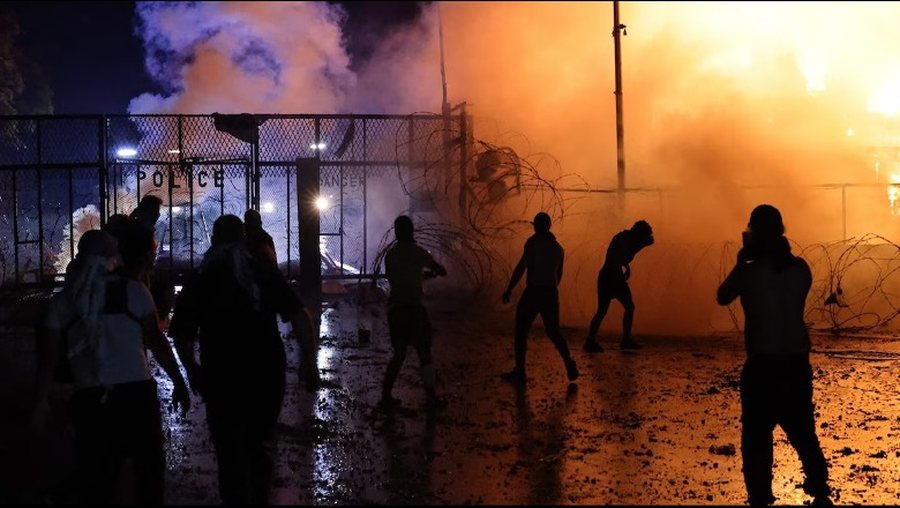
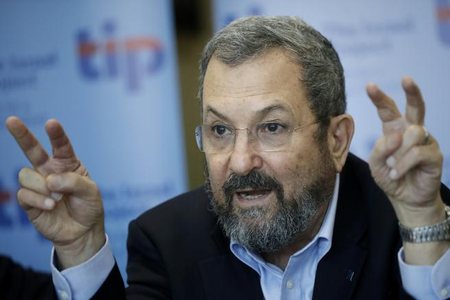
Both Hamas and Israel are committing war crimes in the current conflict, Kenneth Roth, former executive director of Human Rights Watch, told RFE/RL.
According to him, both sides are fighting without properly respecting the principles of international humanitarian law.
Roth says that Israel has the right to respond to the "horrible atrocities" of Hamas, but that this "does not give it the freedom to do whatever it wants".
He criticizes the siege of Gaza and the denial of humanitarian aid to people in need, while condemning both sides' attacks on civilian areas.
"The duty to respect international humanitarian law, not to commit war crimes, is an absolute duty," says Roth, who has served nearly three decades at one of the world's leading international human rights organizations.
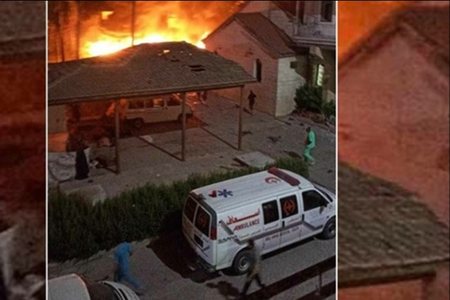
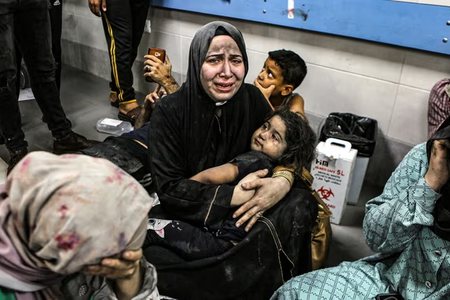
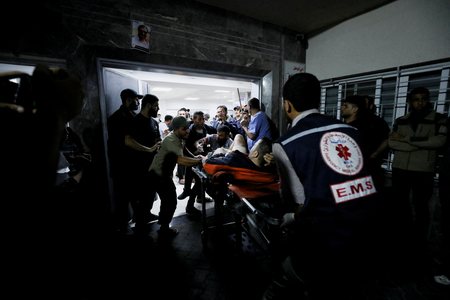
Radio Free Europe: There are reports of more than 500 people killed in an attack on a hospital in Gaza. Your first comment?
Kenneth Roth: At first it was believed to be an Israeli airstrike. The Israelis now deny this and say it was a Palestinian rocket. We still don't know for sure who is responsible. If it was a Palestinian rocket, it was clearly a mistake. If it was an Israeli airstrike, I really hope it wasn't aimed at the hospital.
But what we can say at this stage is that it is a tragic loss of life and it must be investigated who was responsible.
Radio Free Europe: Both Hamas and Israel are accused of illegal acts in the current conflict. How do you see their behavior so far?
Kenneth Roth: Clearly, both sides are committing war crimes. Hamas has committed horrific atrocities, killing hundreds of Israeli civilians and taking nearly 200 Israelis hostage. These are war crimes, as are his periodic rocket attacks on areas inhabited by Israeli civilians.
The Israeli government has also committed war crimes, firing indiscriminately into Palestinian neighborhoods, indeed hitting entire neighborhoods in its efforts to go after Hamas targets. But, shooting more widely, it has also attacked large residential buildings and hundreds of families have lost their homes.
*Video: Destruction in the Gaza Strip
Israel has also put [Gaza] under siege, cutting off its food, water, fuel and electricity. This is a form of collective punishment of the entire Palestinian population of Gaza.
So clearly, there are war crimes on both sides. It is important to note that international humanitarian law does not absolve one party, only that the other party does not respect it. The duty to respect international humanitarian law, not to commit war crimes, is an absolute duty, which is not conditioned by the reciprocal behavior of the opponent.
Radio Evropa e Lirë: Pra, cilat janë ato parimet themelore që të dyja palët pritet t’i ndjekin sipas ligjit ndërkombëtar?
Kenneth Roth: Ato gjenden në protokollet e Konventës së Gjenevës dhe të ligjit ndërkombëtar. Esenca është se, gjatë luftës, ju mund të hapni zjarr kundër luftëtarëve në anën tjetër, por nuk mund t’i shënjestroni civilët, ju nuk mund të qëlloni pa dallim në zonat civile dhe, madje, nuk mund të shënjestroni as edhe një objektiv ushtarak, nëse ndikimi mbi civilët do të jetë joproporcional. Po ashtu, nuk mund ta bllokoni dërgimin e ndihmave humanitare për njerëzit në nevojë.
Pra, këto janë rregullat themelore. Ato janë të përpunuara në shumë detaje, por ky është thelbi i tyre. Dhe, fatkeqësisht, të dyja palët po i injorojnë këto rregulla.
Radio Evropa e Lirë: A mund të mbahen përgjegjëse palët?
Kenneth Roth: Po. Në parim, secila palë supozohet t’i mbajë përgjegjës kriminelët e saj të luftës. Është e qartë se Hamasi nuk do ta bëjë këtë. Edhe ushtria izraelite ka një histori të tmerrshme në këtë aspekt. Pra, kjo është një situatë, ku vërtet duhet Gjykata Ndërkombëtare Penale (GJNP).
GJNP-ja ka juridiksion mbi çdo krim të kryer nga një palestinez, ose i kryer në territorin palestinez. Kjo, sepse Palestina është njohur si anëtare e Asamblesë së Përgjithshme [të OKB-së], duke pasur të drejtë ta nënshkruajë Statutin e Romës të Gjykatës Ndërkombëtare Penale - gjë të cilën e ka bërë. Pra, GJNP-ja ka juridiksion atje.
Radio Evropa e Lirë: Më lejoni t’ju pyes, a ka rregulla specifike për t’u aplikuar sa u përket nevojave humanitare dhe shëndetësore?
Kenneth Roth: Rregulli kryesor është se palët ndërluftuese nuk mund ta bllokojnë ndihmën humanitare për njerëzit në nevojë. Kombet e Bashkuara kanë shumë ndihma humanitare në afërsi, të gatshme për t’u transferuar nga Egjipti, përmes pikës kufitare Rafah, për në Gazë. Por, kjo nuk është duke u lejuar.
Duket se Izraeli dhe Egjipti janë duke e bllokuar. Nuk është plotësisht e qartë se çfarë po ndodh. Por, asnjë ndihmë nuk ka hyrë [në Gazë]. Izraeli është, padyshim, shkelësi kryesor këtu. Egjipti ka qenë partner në mbajtjen e bllokadës së Gazës në 16 vjetët e fundit. Pra, çështja nuk është nëse ka ndihma në afërsi. Ndihma ka. Çështja është nëse ato ndihma mund të hyjnë për njerëzit në nevojë në Gazë.
Radio Evropa e Lirë: E sulmet në zonat civile?
Kenneth Roth: Edhe nëse supozojmë se lejohet hyrja e ndihmave humanitare, pyetja - siç po sugjeroni edhe ju - është se si mund të shpërndahen në mënyrë të sigurt kur ka bombardime. Ky është problemi.
Edhe pse Qeveria izraelite ka urdhëruar 1.1 milion civilë palestinezë të evakuohen nga veriu i Gazës dhe të shkojnë në jug, ka pasur raste të shumta kur njerëzit - ose duke shkuar në jug të Gazës, ose të vendosur diku atje - janë bombarduar dhe vrarë.
Unë mendoj se një dimension i rëndësishëm i kësaj është se ushtria izraelite duhet të ofrojë garanci që ndihma humanitare mund të shpërndahet në mënyrë të sigurt për popullatën civile.
Many people see Hamas' attacks as horrific and say that Israel has the right to respond. This is true. But the right to respond militarily does not give you the freedom to do whatever you want.
Radio Free Europe: And what authority do other countries have to intervene?
Kenneth Roth: At this point, I don't see any other government volunteering to intervene in the conflict - except perhaps the US Government threatening Hezbollah in southern Lebanon if Hezbollah starts shelling Israel. But the question of whether a government is allowed to enter a war is really a political judgment.
The reason why we see so many civilian deaths is that both sides are fighting without properly respecting the principles of international humanitarian law./REL


Lini një Përgjigje