


 Shkruar nga Pamfleti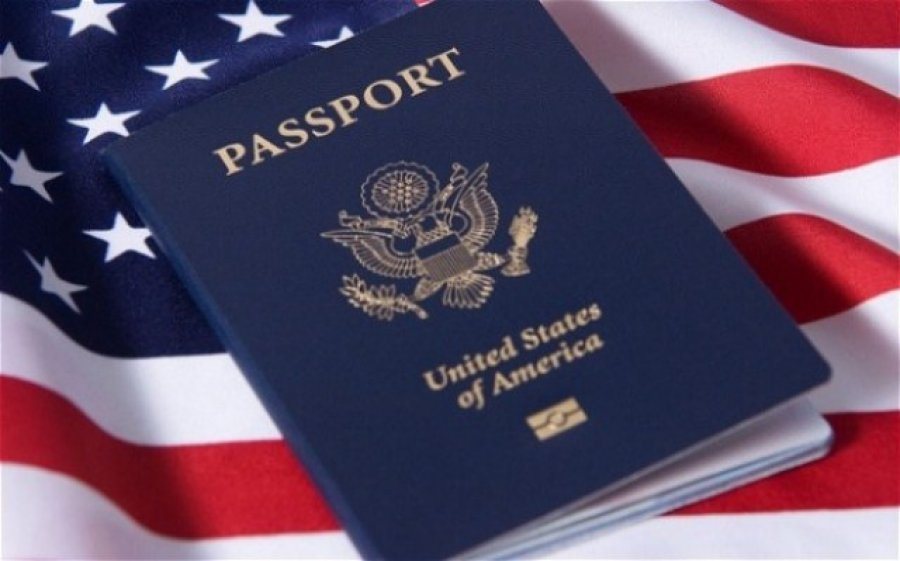
While President Donald Trump celebrated the Supreme Court's decision that struck down nationwide bans on birth-based citizenship changes, more than 20 states still have rulings in place that preserve the right as it is.
Friday's 6-3 ruling on universal injunctions meant the president's move to limit automatic U.S. citizenship could go into effect. However, it won't apply in every state.
"I am pleased that the Supreme Court took an important step to rule on the illegality in lower courts, which have repeatedly issued 'universal' orders beyond the parties to the case and beyond their legal, jurisdictional and constitutional authority," John Eastman, of the Claremont Institute, who supported Trump's changes, told Newsweek.
While the conservative justices made clear they were not ruling on birthright citizenship itself, their move to clear judicial powers potentially leads to a messy approach to how birthright citizenship will be implemented in about a month, when Trump's changes could take effect.
At the center of Friday's decision were three lower court cases from Massachusetts, Maryland and Washington, where judges had issued blanket injunctions blocking a January executive order.
The Trump administration argued that local courts should not be able to block executive policies across the country, a position the Supreme Court agreed with. That now means those three rulings will be limited to those specific states, as well as the states that joined the individual lawsuits.
Those three states were not the only ones to see judges issue court orders on birthright citizenship restrictions; they were the only ones to lend their names to cases that reached the Supreme Court.
Trump's policy remains blocked in the following states:
Arizona
California
Colorado
Connecticut
Delaware
Hawaii
Illinois
Maine
Maryland
Massachusetts
Michigan
Minnesota
Nevada
New Jersey
New Mexico
New York
North Carolina
Oregon
Rhode Island
Vermont
Washington
Wisconsin
In the remaining states, Trump's order could take effect 30 days after Friday's ruling, pending any further legal action. The order limits birthright citizenship to those who are U.S. citizens with legal permanent residence, excluding those on visitor and temporary visas, as well as undocumented immigrants.





Lini një Përgjigje