


 Shkruar nga Daniel Serwer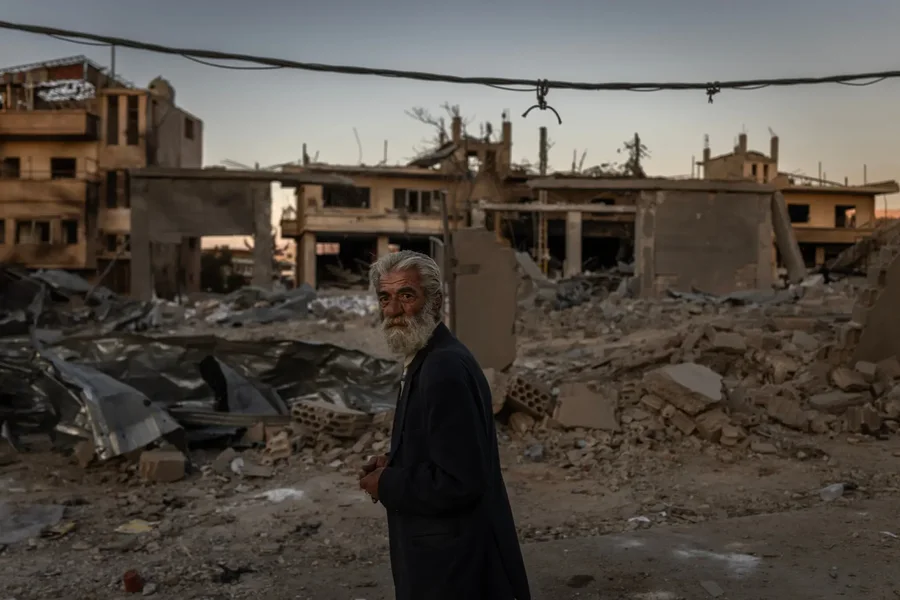
The West will not mourn Nasrallah, but many in Europe and the US will worry that his death will trigger a major Hezbollah retaliation.
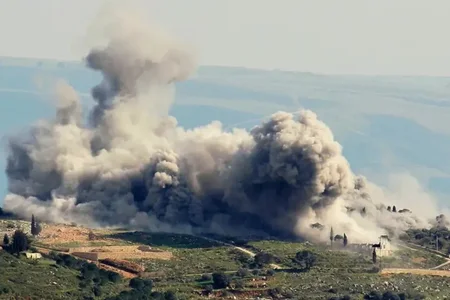
Israel bombed Hezbollah's headquarters in Dahiyeh, south of central Beirut, yesterday and killed its leader, Hassan Nasrallah. Israelis are celebrating, but this Israeli action signals that Prime Minister Netanyahu wants not only to expand the war from Gaza to Lebanon, but also wants to strike high in the hierarchy. Killing an enemy leader precludes negotiations and makes conflict management more difficult. Israel's successful cell phone/walkie-talkie attack less than two weeks ago had already angered and fired up Hezbollah militants. The loss of its leader of more than three decades will cause further confusion and mistrust in their ranks.
The impact of beheading on the uprising is a matter of debate. There is evidence that beheading can shorten anti-terrorist campaigns, increase the likelihood of insurgents losing, and decrease the intensity of conflict. Others believe that beheading has a greater chance of success in counterinsurgency "when carried out by local forces against a centralized adversary in conjunction with larger counterinsurgency operations." These conditions were not met in yesterday's raid. Local forces did not carry it out, Hezbollah is a networked adversary, and there was no "major" counterinsurgency operation.
That said, Hezbollah will need time to regroup. The Israelis likely also killed some of Nasrallah's lieutenants. Such a leadership stroke requires inner intelligence. Somehow Israel knew where Hezbollah's leaders were at a given time. Hezbollah depends heavily on personal trust among its followers. The election of a new leader and the search for a culprit will disrupt that network for some time to come. This may not prevent retaliation in the form of missile strikes, but they have been militarily ineffective.
-Mixed reactions in Lebanon and the Arab world
The Lebanese will have a mixed reaction: horror at the civilian lives lost in buildings in the capital, but also some Schadenfreude. Hezbollah has lost its heroic appeal to many Lebanese, both because it went to war against the Syrian opposition and because it is now part of a corrupt, self-perpetuating elite in Lebanon that has given little in recent years to citizens. her. Even before the Beirut port explosion in 2020, the wheels of the Lebanese economy were coming off. The Lebanese pound has lost over 90% of its value. Most of the population is poor, frustrated and depressed.
The Arab world will also have a mixed reaction. Most Arab elites are allergic to Islamist movements such as Hamas and Hezbollah. Before today's event, they were protesting the mistreatment of Palestinians in Gaza and the West Bank, but doing little about it and nothing to defend Hamas and Hezbollah, who are Iranian allies. However, most Arab streets have sympathy for the Palestinians and want the Gaza war to end. This was Hezbollah's stated goal. He has been hitting Israel since October 8 last year, to get Israel to end the Gaza war.
It will be interesting to see now if the Arab road is disturbed enough to change the relative calm of the Arab world. The Syrian exception is due to Hezbollah fighting the opposition on behalf of President Assad.
- The West will not cry crocodile tears, but it should be worried
The West will not mourn Nasrallah, but many in Europe and the US will worry that his death will trigger a major Hezbollah retaliation. While its rockets have so far caused little strategic damage to Israel, the Israelis are likely to respond with further escalation. This will increase hostilities. Neither the US nor Europe want a wider war to escalate.
The West will also have to worry about Hezbollah's operations beyond Israel. Hezbollah has terrorist cells in many countries, including the US, which apparently supplied the large bombs that leveled Hezbollah's headquarters. Embassies and US government offices in Washington could become targets.
-Iran is blocked
Tehran has tried to avoid war with Israel, which has shown it can bomb Iran's nuclear sites. Now two of her main allies have suffered a major blow. Israel has not destroyed Hamas, but Iran should worry about how long it will take for Hamas to regain its former military strength. Israel has now decapitated Lebanese Hezbollah, killed other leaders and wounded thousands of its militants, in addition to destroying a significant percentage of the missiles that Iran has supplied.
Asking Tehran to continue to show restraint may be too much. Defenders of Iran's nuclear program in Tehran will be emboldened. They will argue that Israel is seeking war with Iran and that only obtaining nuclear weapons will prevent an Israeli attack. This in turn could create incentives for Turkey and Saudi Arabia to acquire nuclear weapons. Their leaders have both said they will match Iran's nuclear capabilities. The Middle East with four nuclear weapon states will not be a safe place.
There is another way out. Tehran could tell Hezbollah to withdraw north of the Litani River, as demanded by the UN Security Council, and end rocket attacks. This would allow Israelis to return to their homes along the border with Lebanon. It would also give the US leverage to pressure Israel for a ceasefire and prisoner/hostage exchange in Gaza. The war there would be unlikely to end completely, as Netanyahu needs the war to continue until he can declare victory unequivocally. But the relative calm may allow for the flow of more humanitarian aid and early aid for reconstruction./ Adapted "Pamphlet" from "Peacefare"






Lini një Përgjigje