


 Shkruar nga Pamfleti
In the city of Yelets, far from the front line, residents face human losses, drone attacks and economic pressure...
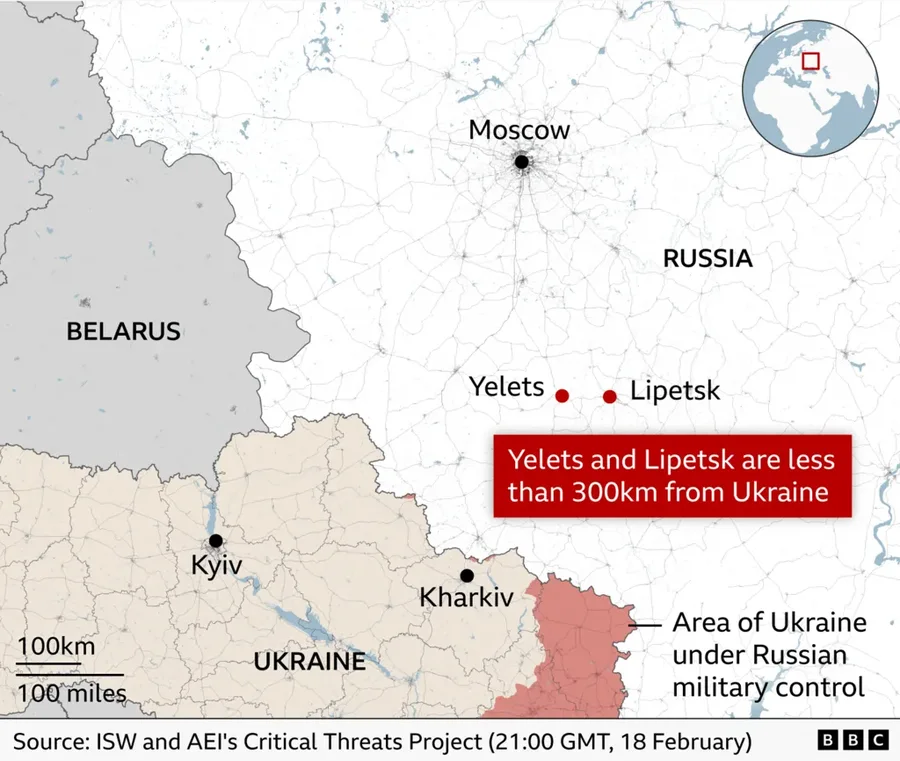
At first glance, Yelets in winter looks like something out of a Russian fairy tale. From the riverside promenade I see the golden domes of Orthodox churches and, below, fishermen scattered on the frozen river. But in this city, 350 kilometers south of Moscow, the fairy tale feeling is short-lived.
On the riverbank I spot a recruitment billboard. It promises a reward of around £15,000 to anyone who agrees to fight in Ukraine. Nearby is a poster of a Russian soldier taking aim with a Kalashnikov.
"We are where we need to be," the accompanying slogan reads.
The Kremlin launched its full-scale invasion of Ukraine on February 24, 2022. Outside Russia, it was widely seen as an attempt to bring Kiev back into Moscow’s orbit and to overthrow the entire post-Cold War European security architecture. The Russian leadership envisioned a short and successful military operation. But things did not go according to plan.
Four years later, Russia's war in Ukraine continues. It has lasted longer than Nazi Germany's brutal war against the Soviet Union, known here as the Great Patriotic War.
Some of the consequences are visible in this city too. A giant mural covers one side of a nine-story building in Yelets. It depicts the faces of five Russian soldiers, local men killed fighting in Ukraine.
"Glory to the heroes of Russia!" is written at the top.
Russian authorities do not publish figures on the casualties of the so-called “special military operation.” But it is known that Russia has suffered heavy losses on the battlefield. Many of the towns and villages I have visited over the past two years have museums and monuments dedicated to soldiers killed in Ukraine, as well as special sections in local cemeteries for the recent fallen.
“My friend’s husband was killed fighting there. My cousin’s son was killed there. My nephew was killed too,” says Irina, who stops to chat with me in front of the mural. Then she adds: “A lot of people were killed. I feel sorry for these guys.”
Irina works as a ticket inspector at the bus station. She is struggling to make ends meet. “The utility bills are killing us. The prices are crushing us. It is very difficult to survive.”
Although money is tight, Irina helps prepare aid packages for Russian soldiers on the front lines. She doesn't criticize the war in Ukraine. However, she does express confusion about it.
"In the Great Patriotic War we knew what we were fighting for, now I'm not sure what we're fighting for," says Irina.
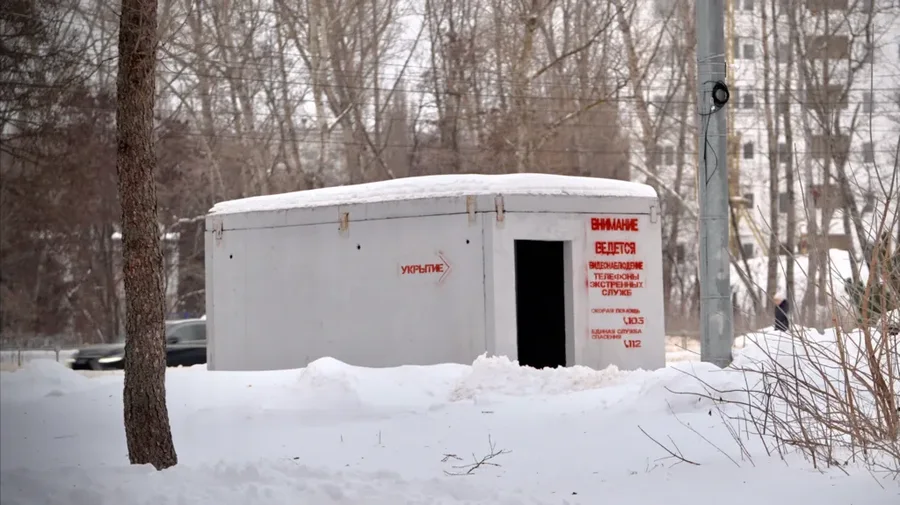
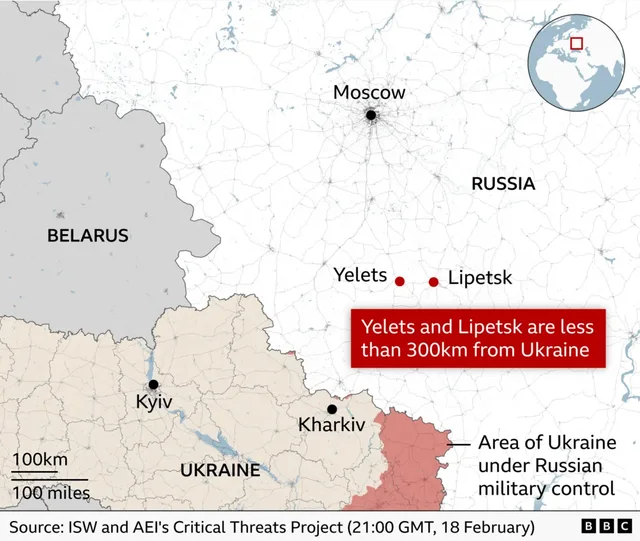
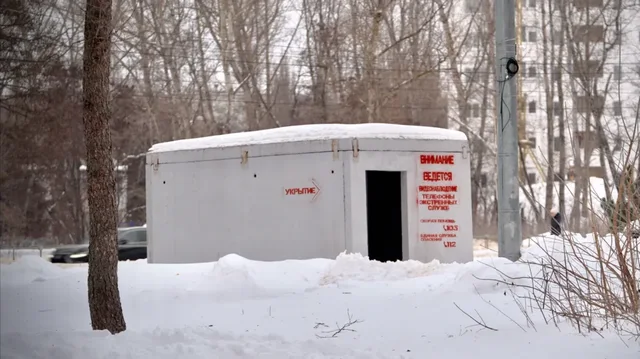
Kufiri me Ukrainën ndodhet 250 kilometra larg. Por ndonjëherë vija e frontit duket shumë më pranë. Kjo pjesë e Rusisë, rajoni i Lipetskut, si shumë të tjera, është vënë në shënjestër nga dronë ukrainas. Rreth Jelecit autoritetet kanë vendosur strehimore emergjente. Një e shoh në një stacion autobusi, një tjetër në park.
Këto struktura prej betoni qëndrojnë si monumente të “operacionit special ushtarak” të presidentit Vladimir Putin. Para pushtimit të plotë të Ukrainës nga Kremlini, nuk kishte nevojë për strehimore, pasi nuk kishte sulme me dronë ndaj Rusisë.
Edhe pallatet në Jelec kanë strehimore të përcaktuara, në bodrume.
“Sirenat bien pothuajse çdo natë, por unë nuk largohem nga ndërtesa. Thjesht shkojmë në korridorin ku nuk ka dritare”, shprehet Irina.
Në Jelec gjen shenja të luftës në vende të papritura. Në emrin e një lokali për petulla shquhen shkronjat latine V dhe Z, simbole të “operacionit special ushtarak”.
Tabela jashtë lexon: “merr një petull, pastaj gjithë botën.” Habitem. Pastaj kujtoj disa nga deklaratat e Vladimir Putinit.
“Ku shkel këmba e një ushtari rus, ajo është e jona,” deklaroi ai në Shën Petersburg vitin e kaluar.
Dy vjet më parë, në Moskë, pashë një billboard elektronik me këtë citim të Putinit: “Kufijtë e Rusisë nuk mbarojnë askund.”
Luftërat janë të kushtueshme financiarisht. Me deficitin buxhetor në rritje dhe ekonominë në stanjacion, qeveria ka rritur TVSH-në nga 20% në 22%. Ministria e Financave thotë se të ardhurat shtesë do të shpenzohen për “mbrojtjen dhe sigurinë”.
Televizioni shtetëror rus i ka nxitur qytetarët të tregojnë mirëkuptim.
“Jetojmë në kohë lufte: një luftë e imponuar ndaj nesh nga Perëndimi”, u tha shikuesve prezantuesi Dmitry Kiselev, duke shtuar “duhet ta fitojmë dhe nuk mund t’ia dalim pa një buxhet lufte.”
Bizneset e vogla po ndiejnë presionin. Në një furrë buke në Jelec, aroma e bukës së freskët me rrush të thatë, scones dhe ëmbëlsirave me krem është joshëse. Por dyqani është goditur nga rënia ekonomike dhe rritja e taksave.
“Na është dashur të rrisim çmimet,” thotë pronarja Anastasia Bykova, “sepse faturat e shërbimeve, qiraja dhe taksat janë rritur. Dhe rritja e TVSH-së do të thotë se përbërësit tanë janë më të shtrenjtë.
Imagjinoni sikur të mbyllemi të gjithë: furra jonë dhe restoranti përballë. Ne përpiqemi ta bëjmë qytetin tonë të duket mirë. Por nëse mbyllemi, çfarë mbetet? Vetëm një njollë gri e errët.”
Një orë larg Jelecit, në kryeqytetin rajonal Lipetsk, shoh më shumë kujtesa të luftës: më shumë postera ushtarakë, më shumë strehimore.
Por në shkallët e pallatit të tij, Ivan Pavloviç është aktualisht më i shqetësuar për një tub që rrjedh. Ka akull në mur dhe ashensori nuk punon.
Pensionisti është i zemëruar që askush nuk e ka riparuar. Ai ankohet gjithashtu për çmimet e larta dhe faturat në rritje.
A mendon ai se lufta është fajtore?
“If I were younger, I would go fight there,” Ivan tells me, adding, “the special military operation is great. It’s just that the prices keep going up. Pensions go up, but then the prices go up even more. So what do I gain? Nothing.”
"Of course, we would live more comfortably if there was no special operation. They spend a lot of money on it. People also give what they can. We have to help. I'm not complaining," he adds.
Russians feel that life is getting harder. Few believe they have the power to change this. As the war enters its fifth year, optimism is scarce.
Many people are simply trying to cope with the situation and waiting, hoping for better times. /Adapted from BBC /


Lini një Përgjigje