


 Shkruar nga Pamfleti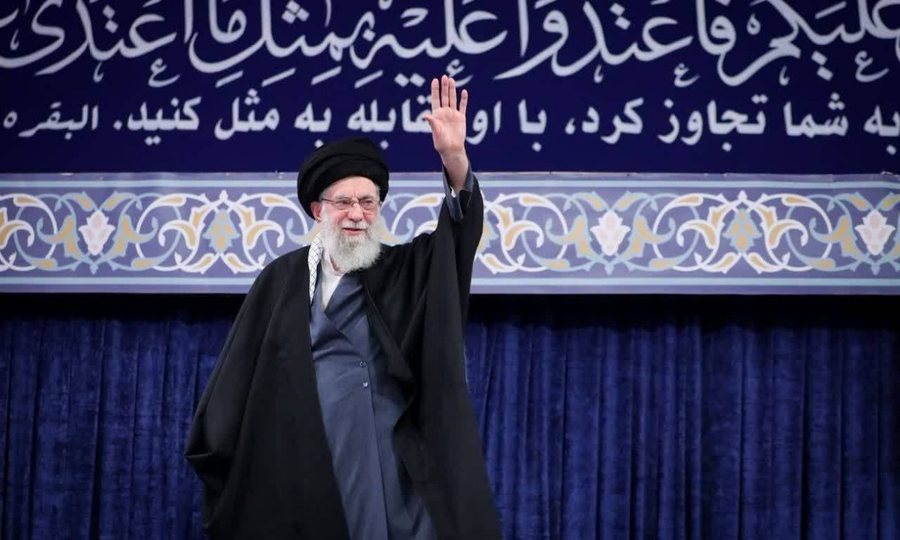
Iran could escalate the conflict with the United States and Israel and not hold back its retaliation as it did during the attacks last June or after the killing of General Qassem Soleimani, the head of Iran's Islamic Revolutionary Guard Corps, by the US military in 2020...
The US remains on alert for a military attack on Iran, a situation that appears to have created nervousness and tension in Tehran's leadership.
US and Western security officials told The New York Times that they are monitoring increasingly worrying signs that Iran could order Shiite forces to carry out retaliatory terrorist attacks against American targets in Europe and the Middle East if Donald Trump orders large-scale strikes against Iran.
Officials stressed that they have not yet identified specific plans in development. However, they say that the increase in "chats," spy jargon for the electronic monitoring of terrorists' communications, suggests some level of planning and coordination of attacks.
Intelligence and counterterrorism officials are concerned and have sounded the alarm that Tehran could recruit the Houthis in Yemen to resume attacks on Western ships in the Red Sea. There is also concern in Europe that sleeper cells of Hezbollah or even al-Qaeda or affiliated groups could be ordered to attack American bases or embassies. A senior American official said that government analysts were monitoring “a number” of activities and plans, but that it was not clear what could trigger an attack.
“Iran could operate through proxies to carry out terrorist attacks that would increase the cost of any U.S. military campaign,” said Colin P. Clark, executive director of the Soufan Center, an intelligence and consulting firm in New York.
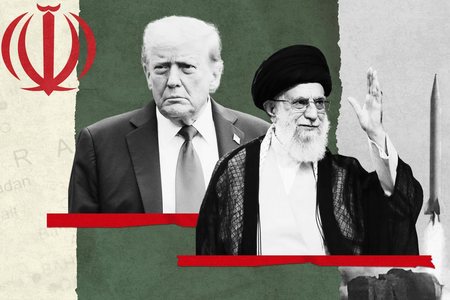
Uncertainty further complicates the Trump administration's war planning. Ambiguity about Trump's intentions, with military options ranging from limited strikes on military targets to the overthrow of Iran's supreme leader, Ayatollah Ali Khamenei, could lead the Iranian regime to view the attack as an existential threat.
This means that Iran could escalate the conflict with the United States and Israel and not hold back its retaliation as it did during the attacks last June or after the killing of General Qassem Soleimani, the head of Iran's Islamic Revolutionary Guard Corps, by the US military in 2020.
Security experts also warn that an attack on Iran would be significantly more complex than the military operation carried out in January in Venezuela aimed at capturing President Nicolas Maduro and could potentially involve the United States in a protracted conflict.
“The ‘global axis of resistance’ led by Iran has suffered a significant decline in areas directly bordering Israel, but remains strong in areas such as Iraq and Yemen, and even further afield, where its presence has been smaller but still significant,” said William F. Wechsler, director of the Atlantic Council’s Middle East programs and a former senior Pentagon official on counterterrorism policy. /Adapted from Pamphlet /





Lini një Përgjigje