


 Shkruar nga Pamfleti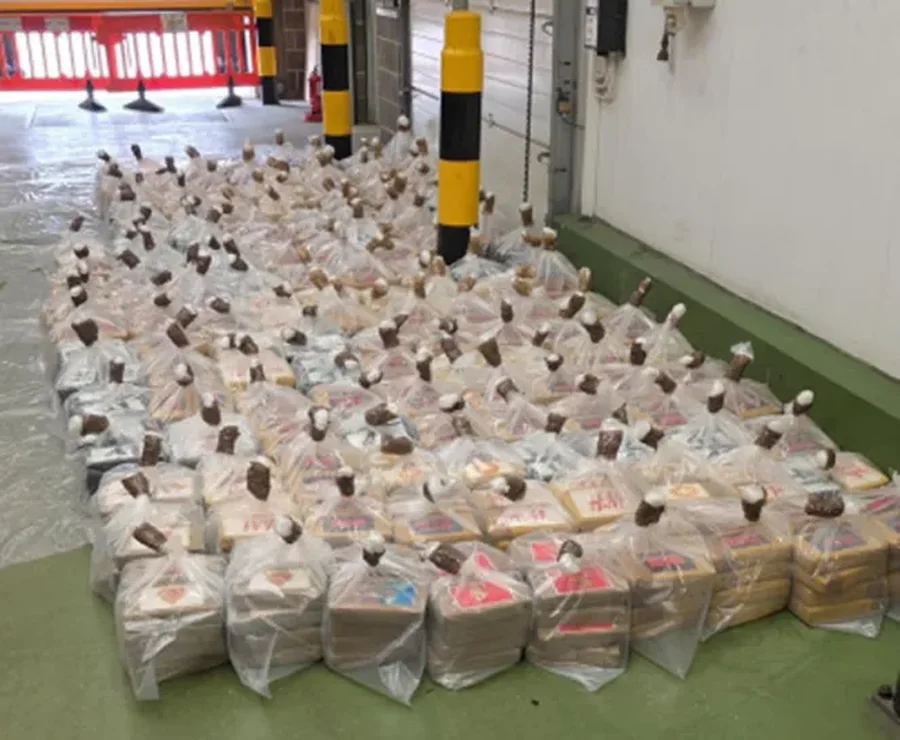
The National Crime Agency says organized groups are binding the drug with cardboard, plastic, glue and coal, while using scientific experts to then restore it to its original form...
Criminal gangs are using increasingly sophisticated methods to smuggle cocaine across borders, altering it at the molecular level and binding it to various materials, such as cardboard, plastic, glue and coal.
According to the UK's National Crime Agency (NCA), criminal networks recruit people with scientific expertise to understand the process in reverse and extract the drugs after they arrive in the UK. The NCA announced that in late 2024 it had busted the first UK laboratory used for this type of "chemical concealment".
NCA Director General Graeme Biggar said during the presentation of the agency's annual strategic threat assessment on Tuesday: "Cocaine is not hidden inside a box of bananas; it is the box of bananas itself." According to him, organized crime is operating at the technological frontier of possibility and authorities are trying to respond with the same level of sophistication.
Biggar said drugs remain the biggest driver of serious crime in Britain and the source of half of murders, burglaries and robberies.
The NCA, working with international partners, seized 230 tonnes of Class A drugs, mostly cocaine, last year. The portion destined for the British market would have a retail value of £18 billion, The Times reports.
The agency also reported significant increases in seizures of ketamine and cannabis at the UK border. In the 12 months to March 2025, the NCA recovered 1,092 kilograms of ketamine, or 42 per cent more than in the previous 12 months. During the same period, seizures of cannabis rose by 71 per cent, to 127 tonnes.
Biggar said drugs are also fueling domestic violence. He cited a study that found 59 percent of domestic abuse suspects tested positive for drugs.
He said synthetic opioids posed the "biggest threat" in the fight against illegal drugs. Nitazenes, which can be up to 500 times more potent than heroin, have been linked to 1,000 deaths since their introduction in Britain.
Biggar said this figure is extraordinary and explained that it is not about cartels from Mexico or Colombia, or the largest criminal groups in the United Kingdom, but about distributors who import the substance by mail to mix it with their heroin.

Officials have dismantled two suspected nitazoxanide factories since last summer. The number of deaths linked to the substance fell by 17 percent, from 435 in 2024 to 359 last year. Authorities say the wider use of naloxone to treat overdoses has helped prevent fatalities, although the 2025 figure is expected to rise once all analyses are finalized.
"We have kept the situation under control, but this will be an ongoing battle. While we must respond to a number of new challenges, we cannot take our eyes off the threat of drugs," Biggar said at the NCA's new headquarters in Stratford, east London.
He also spoke about the threat posed by organised crime in immigration. According to him, the demand for migrants to enter the UK illegally remains high and the conflict in Iran is likely to further exacerbate the situation. Last year, the Horn of Africa became the main region of origin for migrants, overtaking Vietnam and Albania.
Biggar also noted changes in the operating model of criminal groups in response to pressure from law enforcement. In France, he said, traffickers have switched to using “taxi boats,” which are inflated and launched into canals or rivers before sailing along beaches to pick up passengers. Meanwhile, the crackdown on traffic on the Turkish-Bulgarian border has forced gangs to transport boats and motorbikes, mainly from Turkey, to the French coast.
According to the NCA, the threat from organised crime has increased in the past year, with technology enabling criminal groups to become smarter, faster and more connected to each other and their victims. Biggar cited cyberattacks over the past 18 months on Transport for London, the Legal Aid Agency, Marks and Spencer, the Co-op, Kido nurseries and Jaguar Land Rover.
"The message for organizations is clear: securing systems is not enough. You also need to address how your people and processes, as well as those in your supply chain, can be manipulated," he said.
The NCA also said it continues to see “toxic online spaces” where teenagers are being radicalised. A new unit set up by counter-terrorism police and the NCA to investigate “com” networks, online groups made up mainly of teenage boys intent on causing harm and committing a range of crimes, has so far received 500 referrals.
Biggar stressed that artificial intelligence is complicating and expanding this problem, while algorithms are accelerating and normalizing the harm. According to him, technology companies must face their responsibilities in a way that they have not done so far.








Lini një Përgjigje