


 Shkruar nga Pamfleti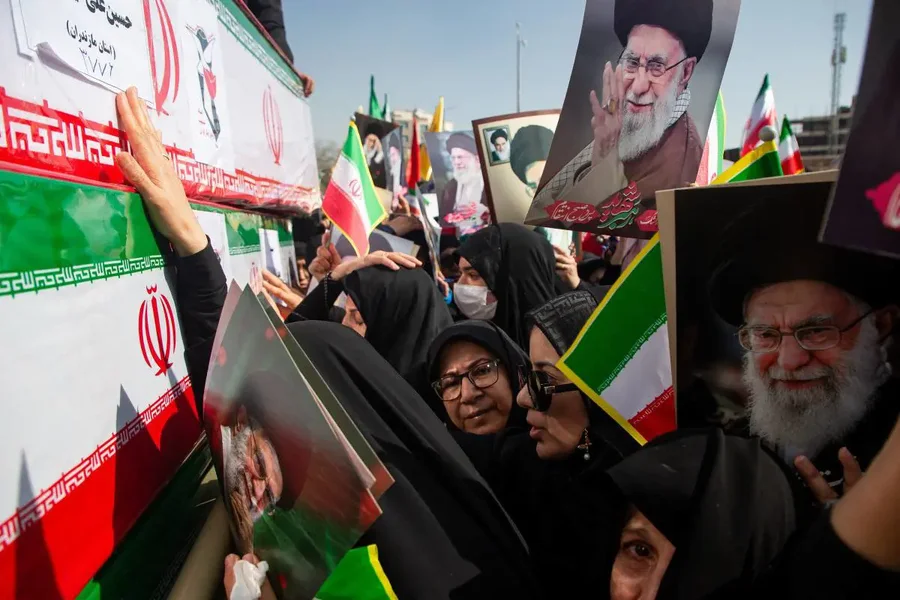
Abu Dhabi's possible decision could hit the financial network built by Tehran in the United Arab Emirates to circumvent international sanctions, while the military escalation in the Persian Gulf pushes the confrontation between the two countries to the economic level...
The military escalation in the Middle East risks quickly spilling over into the financial realm. The United Arab Emirates is considering freezing billions of dollars in Iranian assets held in the country, a move that could cut off one of Tehran's main channels of access to global markets.
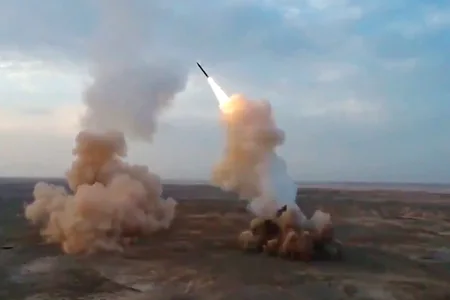
The news, reported by the Wall Street Journal, comes at a time when regional tensions are rising after a series of drone and missile attacks launched by Iran against targets in the Emirates. If Abu Dhabi decides to act, the operation would represent one of the most significant blows to the informal financial network that Tehran has built over the years to circumvent Western sanctions.
If the UAE decides to intervene against Iran's shadow financial empire, one of the main targets would be accounts linked to the Islamic Revolutionary Guard Corps.
Emirates plan: freezing assets and tightening financial networks
According to sources, UAE authorities are considering several measures to dismantle Iranian economic operations operating in the country. Among the options being analyzed are freezing the assets of Iran-linked companies registered in the Emirates, as well as cracking down on money transfer networks that operate outside official banking channels.
Particular attention is being paid to so-called “shadow companies,” used to facilitate trade and financial transactions that are difficult to conduct directly from Iran due to international sanctions. Another potential target is local currency exchange offices, which are often used to transfer funds abroad through informal systems.
According to analysts, such an intervention would significantly limit Tehran's ability to access foreign currency and keep its global trade networks active, at a time when the Iranian economy already faces pressure due to inflation and the rising costs of military tensions in the region.
Dubai and the Emirates' role as an economic hub for Iran
For years, the United Arab Emirates, and especially Dubai, have represented one of the main financial and commercial centers for Iranian businesses and citizens. The geographical proximity and openness of the Emirates' trade system have favored the creation of a vast network of economic intermediaries linked to Tehran.
Many Iranian companies have used UAE-registered companies to access international markets, buy technology, or sell oil and other products bypassing restrictions. This financial ecosystem has allowed Iran to keep trade flows active and continue to generate revenue despite years of sanctions.
According to experts, a tightening of measures by Abu Dhabi could have profound consequences for the entire network of trade mediation that Tehran has built in the Gulf region, hitting not only companies directly linked to the Iranian government, but also many private intermediaries.
Military escalation and new pressures on Tehran
According to sources cited by the international press, in addition to freezing assets, decision-makers in the Emirates are also considering possible maritime actions, including the seizure of Iranian ships involved in the operations of the so-called "shadow fleet", used to export oil while circumventing sanctions.
If implemented, these measures would mark a significant shift in the Emirates' strategy toward Iran. For years, Abu Dhabi has pursued a pragmatic approach, trying to balance geopolitical rivalries with economic interests.
However, the intensification of attacks and the worsening regional situation could push the Gulf country to adopt a much tougher line on Tehran's financial infrastructure. Officials have not publicly confirmed any decision, and it is not yet clear how broad a potential asset freeze might be. /Adapted Pamphlet /



Lini një Përgjigje