


 Shkruar nga Pamfleti
The anniversary of the Hamas massacres of October 7 is approaching. As hopes for a ceasefire and hostage deal fade, it's worth considering who benefits from the ongoing conflict: Hamas leader Yahya Sinwar, Israeli Prime Minister Benjamin Netanyahu, former President Donald Trump and Iran.
Netanyahu and Sinar had common interests in prolonging the war. Four months later, the thesis stands, although some tactical details have changed. Despite the seemingly tireless efforts of the Biden administration, Egypt and Qatar, there is still no end in sight.
Many, especially in Israel, blame Netanyahu for his belated insistence on retaining control of the Philadelphia corridor. But of course we cannot ignore that Yahya Sinar also has no desire for a ceasefire or an end to the war.
Following the Israeli assassination of Ismail Haniya in Tehran on July 31, for which there has yet to be a strong response from Iran against Israel or softer Jewish targets, Sinar has become the undisputed political and military leader of Hamas.
Sinar knows that his time is marked. Israel seeks to kill him, and Sinar could easily become the target of an Arab country, perhaps Egypt, the United Arab Emirates or Saudi Arabia, which have notably not supported Hamas in this war because they see the threat posed by Iran.
Although a ceasefire would be welcome in Gaza.
But Hamas is driven by a religious ideology anathema to Western liberalism. As such, Sinar has little mercy for sacrificing thousands in the name of the "cause".
At the same time, it can be argued that Hamas is winning the war. Israel's global reputation is in decline.
The personal cost of keeping hundreds of thousands of reserve soldiers on duty is driving Israeli families and businesses to ruin. Rating agencies have downgraded Israel's sovereign credit rating, along with the ratings of the country's four biggest banks, which will cause higher borrowing costs even after the war. The conflict reportedly cost Israel an estimated $68 billion.
Like Sinar, Netanyahu also has no desire to see the war end.
He knows that if he makes a deal, the far-right nationalists in his coalition, especially Itamar Ben Gvir and Bezalel Smotrich, will take over the cabinet.
The two ultra-Orthodox parties, Shas and United Torah Judaism, are much more reliable about the hostage and ceasefire deal and will vote in favor.
Netanyahu, however, knows his political career is over if a deal is reached, because the fall of the government would require new elections.
Therefore, he does not insist on a deal and is prepared to risk the lives of Israeli hostages, even as truly existential threats like Iran continue to emerge.
Most Israeli strategists dismiss as a joke Netanyahu's argument that relinquishing control of the Philadelphia corridor for up to 42 days would be a threat to Israel's existence.
Former Shin Bet director Nadav Argaman, who was appointed by Netanyahu, called Netanyahu's speech describing the Philadelphia argument "the biggest act in town." Argaman also said that Netanyahu's government was a disaster and that Netanyahu was being driven by purely political motives.
US policy is also part of Netanyahu's desire not to make a hostage or cease-fire deal now.
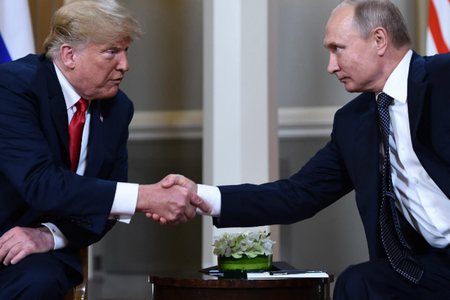
Netanyahu is playing for time, hoping Trump wins the presidential election; A ceasefire or hostage deal, on the other hand, would likely work to Kamala Harris' advantage. Netanyahu believes he will be able to act without pressure from a Trump administration.
That may or may not be the case, but it's certainly the way Netanyahu thinks.
Finally, Iran's "axis of resistance": Hamas, Hezbollah, the Houthis, and the militias in Iraq have shown themselves to be stable and effective.




Lini një Përgjigje