


 Shkruar nga Larisa Brown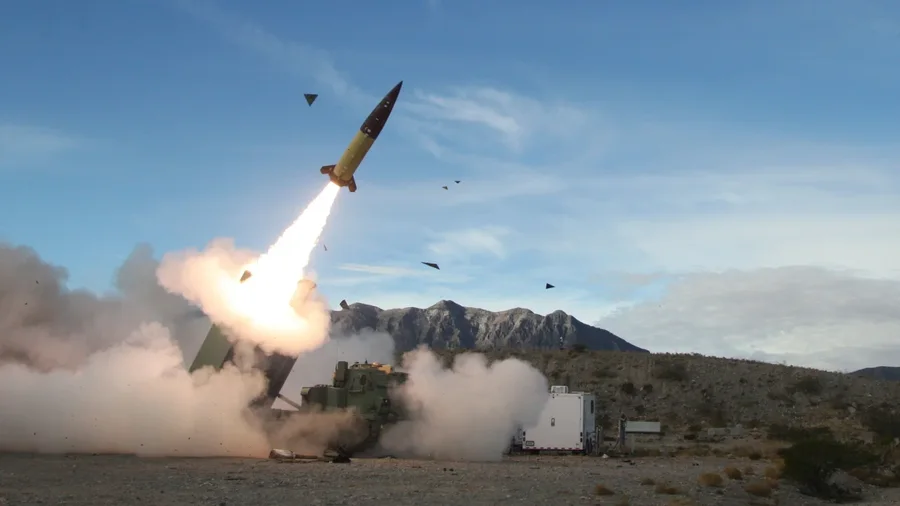
Although Ukraine can use other weapons provided to it by the West to strike targets inside Russia, it has been barred from using long-range missiles because of US fears of an escalation of the war by Moscow.
Should there be a change in Western policy regarding the use of its long-range missiles, Ukraine would be able to strike Russian air bases, ammunition depots, and other military targets that threaten its territory. her.
The Ukrainian military wants to be able to remove as much of the fleet of Russian bombers from its territory as possible. The latter are constantly dropping "glide bombs", which are relatively cheap to manufacture and retrofitted with new guidance systems, on Ukrainian targets with devastating effect.
These planes are capable of dropping such bombs even from tens of kilometers away from the front line. Under these conditions, if Ukraine could be allowed to use such weapons deep inside Russian territory, it would force Moscow to move its aircraft even further back.
This would mean they would need more fuel to get to the front line. In turn, it may be forced to limit the number of flights that the Russian air force can conduct. "This change in the approach of the West so far would allow us to prevent Russian attacks and provide a necessary defense mechanism. So everything that can lead to the end of the war", says a Ukrainian military source.
The UK has supplied Ukraine with what is believed to be a limited stockpile of Storm Shadow missiles, which have a range of around 250km, tripling the range of the missiles Kiev has so far used against the military. Russian. Storm Shadow missiles are especially useful for attacking bunkers.
In turn, the United States has offered Ukraine the longest-range version of ATACMS missiles - a ballistic missile - which can hit targets up to 300 kilometers away. Although Ukraine can use other weapons provided to it by the West to strike targets inside Russia, it has been barred from using long-range missiles because of US fears of an escalation of the war by Moscow.
However, Russia has no such restrictions. Last week, Moscow received a new supply of more than 200 Fath-360 short-range ballistic missiles from Iran. The missiles have a range of up to 120 kilometers, allowing Moscow to strike targets further beyond the Ukrainian front line.
Such a shipment likely played a role in changing the US's stance on its earlier policy. Allowing Ukraine to use long-range weapons inside Russia is unlikely to change the course of the war entirely, in part because the Ukrainians are unlikely to have large numbers of such weapons at their disposal.
Germany, which owns long-range Taurus missiles, which are similar to Britain's Storm Shadow, has refused to send them to Ukraine, fearing an escalation of the conflict. The Germans are believed to possess about 600 of these, although only half are in working order.
The biggest risk from a change in Western policy on its long-range weapons is Russian retaliation, and fears that Russian President Vladimir Putin might decide at some point to use tactical nuclear weapons inside Ukraine, an act seen as a "red line" for NATO.
It remains unclear what NATO would do in response to this action, although the risk of a Third World War would be ever greater. The former British defense attache in Moscow, John Foreman, has said that shorter-range tactical weapons are "much less nerve-wracking", or a deep source of pain for the Russians, than "Storm Shadow" missiles.
And yet, some British government officials believe that the risk of Putin using nuclear weapons is overstated. Therefore, something must change on the battlefield so that Ukraine can achieve its ultimate goal: the expulsion of Russian troops from its territory. /Adapted "Pamphlet", from "Sunday Times"







Lini një Përgjigje