


 Shkruar nga Pamfleti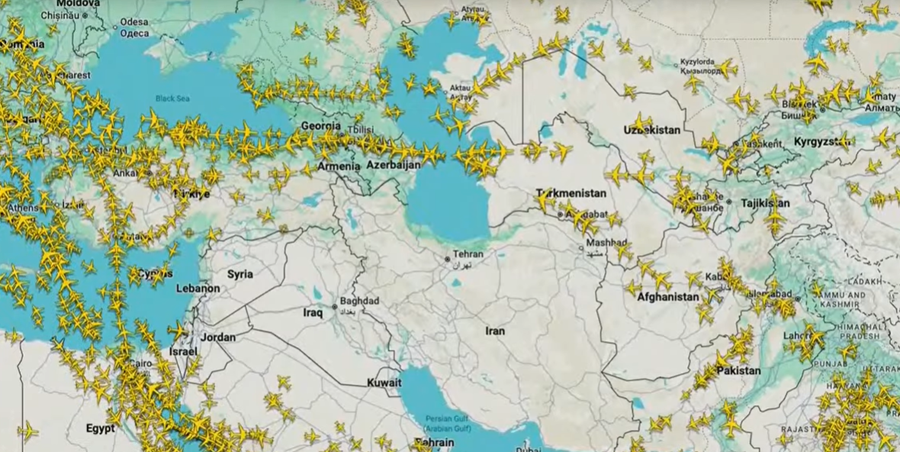
A brief guide to who clashes with whom, who cooperates, and which countries try to remain neutral in the world's most volatile geopolitical scene...
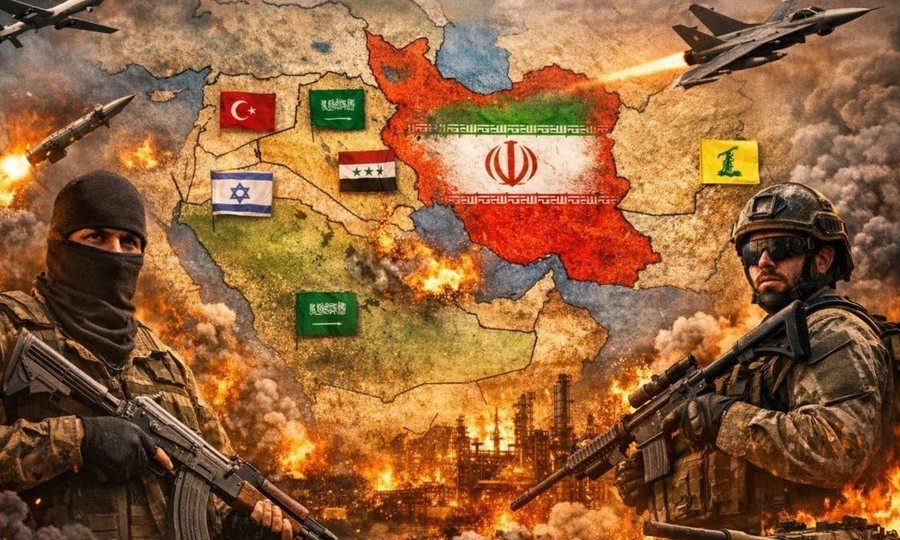
The geopolitical map of the Middle East and the dividing lines that prevail in this sensitive region are among the most complex in the world. Alliances shift, decades-old rivalries are revived, and religious differences influence even the most modern political decisions.
In an extensive analysis, the Daily Mail attempts to explain which countries are close to Iran, which oppose it, and which states are trying to maintain balance in a region that is constantly in a state of geopolitical tension.
Today's conflicts are not accidental. Many of the rivalries we see today have their roots almost 1,400 years ago, in the early days of Islam. In the modern era, however, these historical differences are amplified by factors such as energy resources, nationalism, relations with the West and, of course, each state's stance on Israel.
One of the main divisions that explains many of the current conflicts is the rivalry between Sunnis and Shiites, the two main branches of Islam.
The deep divide between Sunnis and Shiites
The two religious traditions differ both in theological matters and in the way religious authority is organized. Shiites believe that their religious leaders, the ayatollahs, have special spiritual authority and are in some cases considered descendants of the prophet Muhammad.
In contrast, in the Sunni world there is no strict hierarchy of clerics and the influence of religious leaders relies more on their prestige and knowledge.
More than 80% of Muslims worldwide are Sunni, constituting a majority in most Arab countries and in Pakistan. On the other hand, Iran is the most important Shia state, while Shia majorities are also found in Iraq and Azerbaijan. Significant Shia communities are also found in Lebanon, Yemen, Saudi Arabia, and Bahrain.
The Iranian Revolution that changed the balance
A turning point for the modern Middle East was the Iranian Revolution of 1979, which overthrew the Shah and established a theocratic regime under the leadership of Ayatollah Khomeini.
This development had a major impact on the entire region. Many Shiites in other countries began to see Tehran as a religious and political reference point.
In Iraq, Sunni leader Saddam Hussein feared that the revolution might spark a Shiite uprising within the country. The Iran-Iraq War that followed during the 1980s became one of the bloodiest conflicts in modern history, with more than a million dead.
The Iranian regime's fight for survival and economic warfare
Sipas analizës së Daily Mail, regjimi në Teheran duket se vepron me qëllimin kryesor të mbijetesës politike. Një rol qendror në këtë sistem pushteti kanë Gardat e Revolucionit Islamik (IRGC), një trupë e fuqishme me rreth 125.000 anëtarë që për dekada ka qenë mekanizmi kryesor i kontrollit të regjimit.
Strategjia që i atribuohet Iranit bazohet në një masë të madhe në presion ekonomik ndaj vendeve të Gjirit. Shtete si Arabia Saudite, Emiratet e Bashkuara Arabe, Katari dhe Kuvajti varen në masë të madhe nga eksportet e naftës dhe gazit natyror, por edhe nga turizmi ndërkombëtar dhe investimet e huaja.
Një mbyllje e mundshme e Ngushticës së Hormuzit ose e pjesëve të Detit të Kuq mund të prishte seriozisht transportin e energjisë dhe të shkaktonte rritje të çmimeve të karburanteve në nivel global. Në të njëjtën kohë, tensionet në rajon kërcënojnë edhe investimet në turizëm që disa vende, si Arabia Saudite dhe Omani, kanë nisur të zhvillojnë vitet e fundit.
Ndërkohë, presioni në rritje duket se po i afron disa shtete të Gjirit më shumë me Perëndimin, ndërsa raportime të ndryshme flasin për diskutime rreth një bashkëpunimi të mundshëm ushtarak mes vendeve që deri së fundmi mbanin një qëndrim më neutral.
Blloku i vendeve më pranë Iranit
Në realitetin gjeopolitik aktual, disa shtete konsiderohen se janë më pranë Iranit ose mbajnë marrëdhënie të ngushta me të. Në këtë kategori përfshihen Turqia, Libani, Iraku dhe Jemeni.
Turqia, pavarësisht rivalitetit historik midis Perandorisë Osmane dhe Persisë, ruan varësi energjetike nga Irani, pasi importon sasi të konsiderueshme nafte dhe gazi natyror. Në të njëjtën kohë, presidenti Recep Tayyip Erdoğan ka shprehur vazhdimisht kritika të forta ndaj Izraelit.
Në Liban, organizata shiite Hezbollah është një nga aleatët kryesorë të Teheranit në rajon dhe funksionon si krah ushtarak dhe politik i ndikimit iranian.
Në Irak, ku rreth 60% e popullsisë është shiite, disa forca politike kanë lidhje të ngushta me Iranin, ndërsa vendi varet në masë të konsiderueshme nga energjia iraniane.
Në Jemen, organizata shiite e Houthive, e mbështetur nga Teherani, kontrollon një pjesë të madhe të vendit, përfshirë kryeqytetin Sana.
Vendet që përpiqen të mbajnë ekuilibër
Disa shtete zgjedhin një strategji më të kujdesshme, duke u përpjekur të ruajnë ekuilibër mes kampeve rivale.
Egjipti, vendi më i populluar i botës arabe, ka përmirësuar marrëdhëniet me Iranin vitet e fundit, por mbetet ekonomikisht dhe strategjikisht i lidhur me vendet e Gjirit dhe me Shtetet e Bashkuara.
Omani ka marrë shpesh rolin e ndërmjetësit mes Iranit dhe Perëndimit, duke shfrytëzuar pozicionin e tij gjeografik pranë Ngushticës së Hormuzit.
Pakistani, edhe pse aleat tradicional i Arabisë Saudite, strehon një minoritet të madh shiit dhe përpiqet të ruajë marrëdhënie funksionale edhe me Teheranin.
Vendet që kundërshtojnë Iranin
On the other hand, there are several countries in the region that see Iranian influence as a threat. Among them are Jordan, Azerbaijan, Kuwait, Bahrain, Qatar, the United Arab Emirates, and especially Saudi Arabia.
Saudi Arabia is Iran's main Sunni rival and seeks a leading role in the Arab world. The rivalry between the two countries influences conflicts across the Middle East, from Syria to Yemen.
Qatar and the United Arab Emirates host important US military bases, while Azerbaijan has developed close military cooperation with Israel.
Meanwhile, countries like Kuwait and Bahrain maintain strong strategic relations with the United States and express concern about expanding Iranian influence in the region. /Adapted Pamphlet /


Lini një Përgjigje